I’ve said it before and I will say it again: The Orlando Wetlands is a magical place.
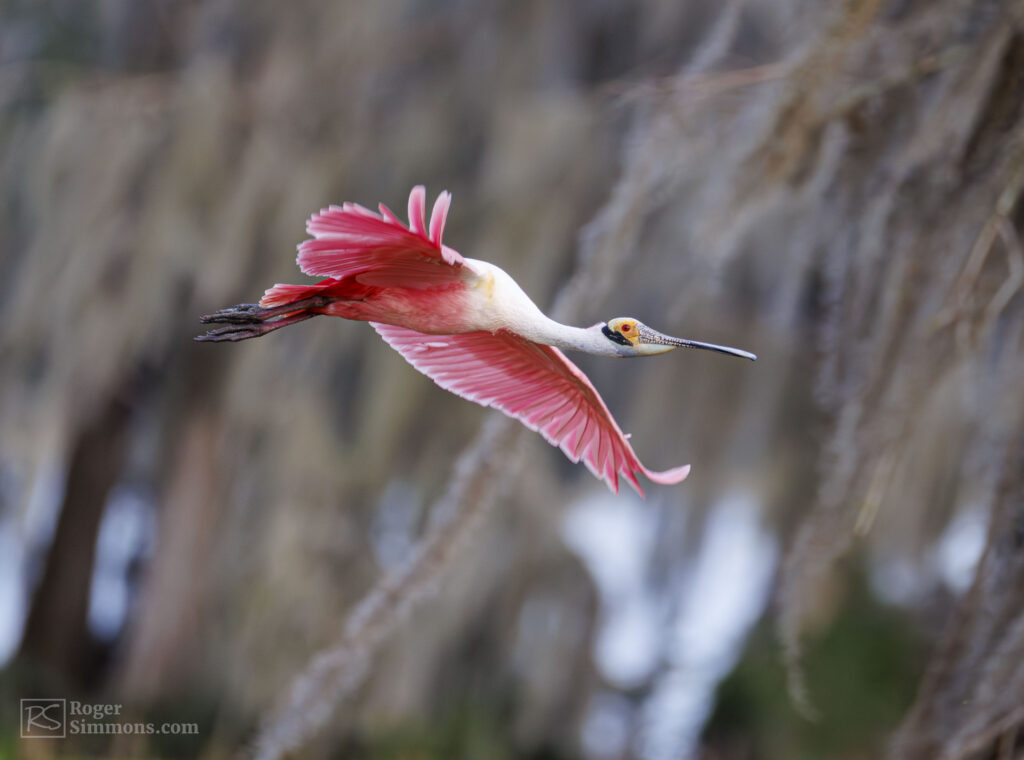
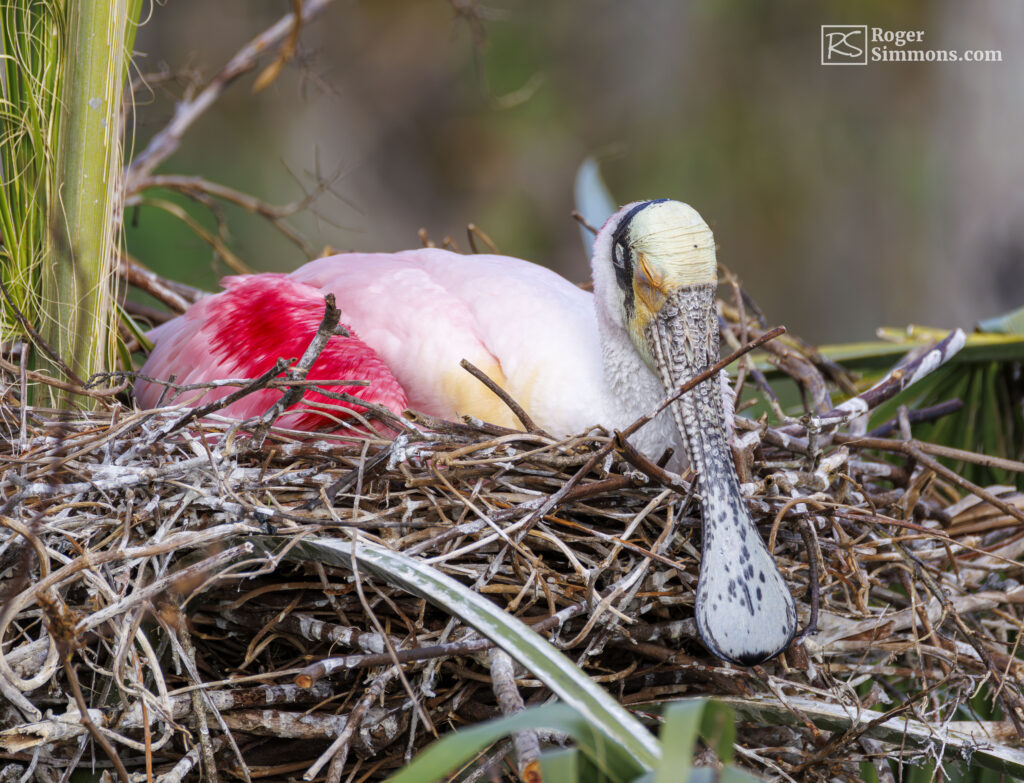
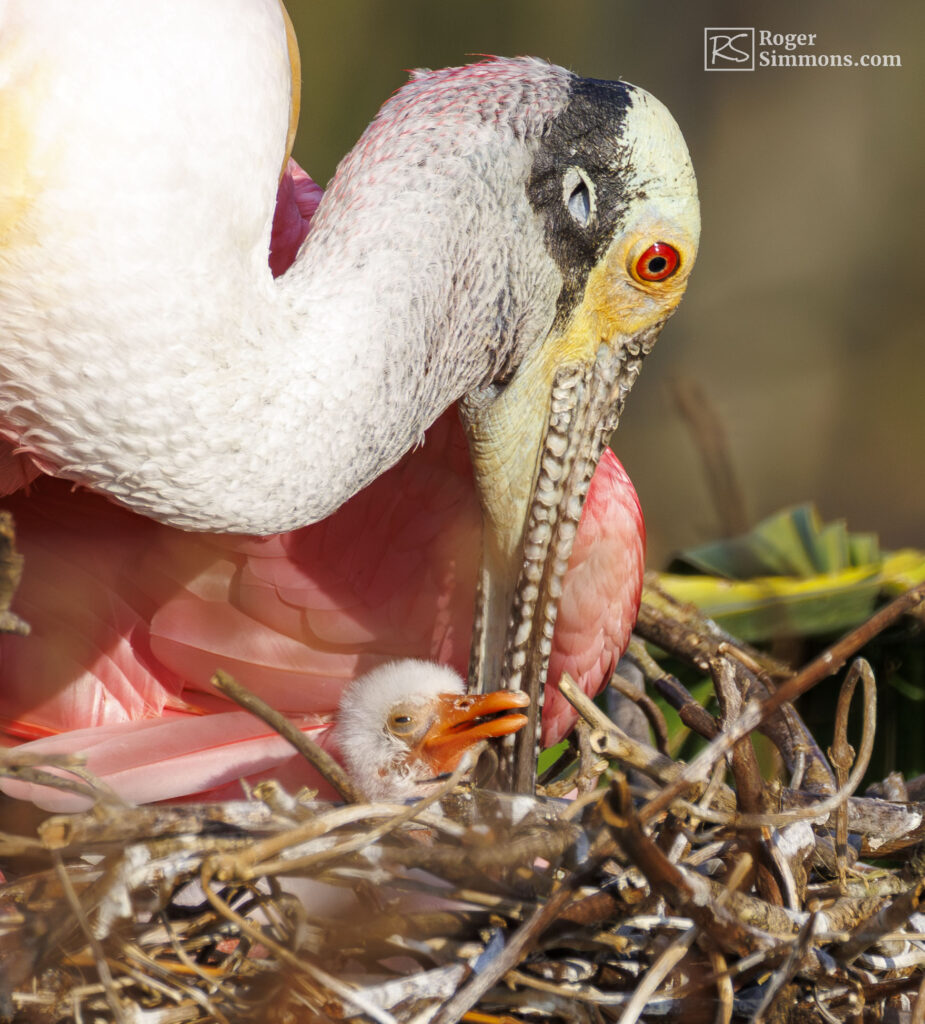
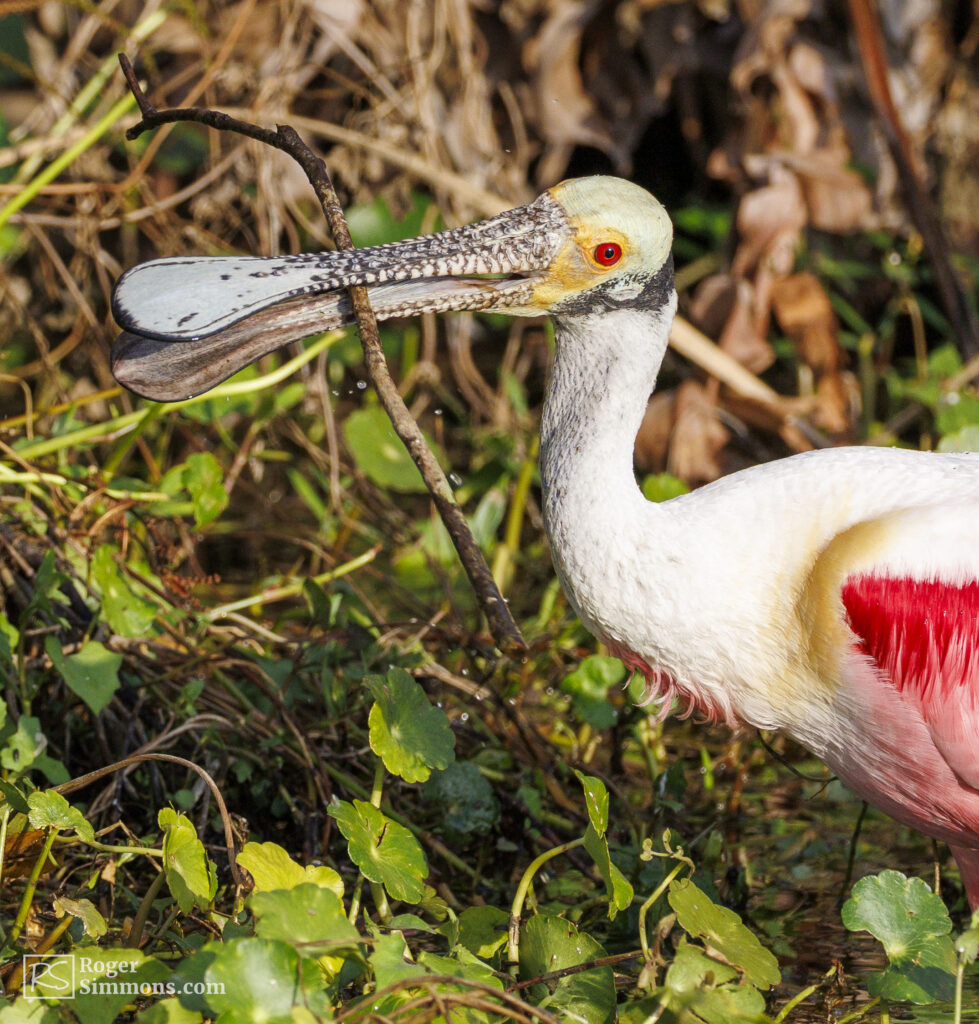
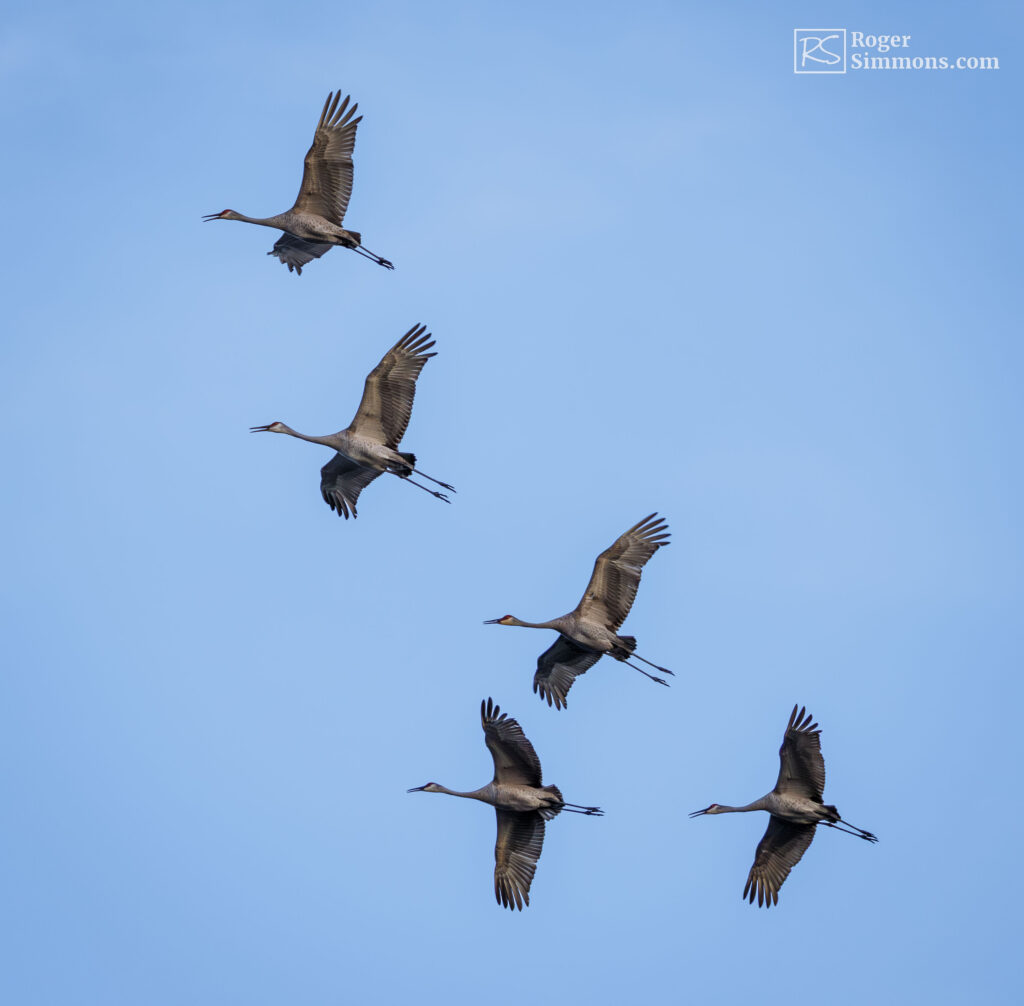
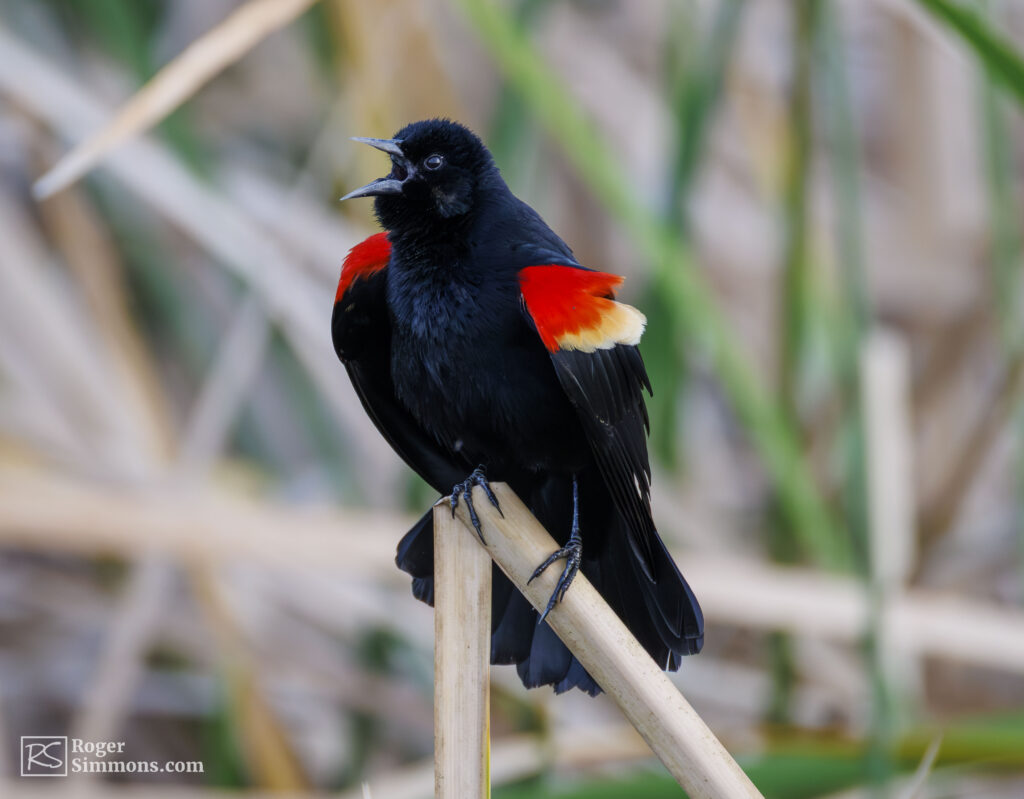
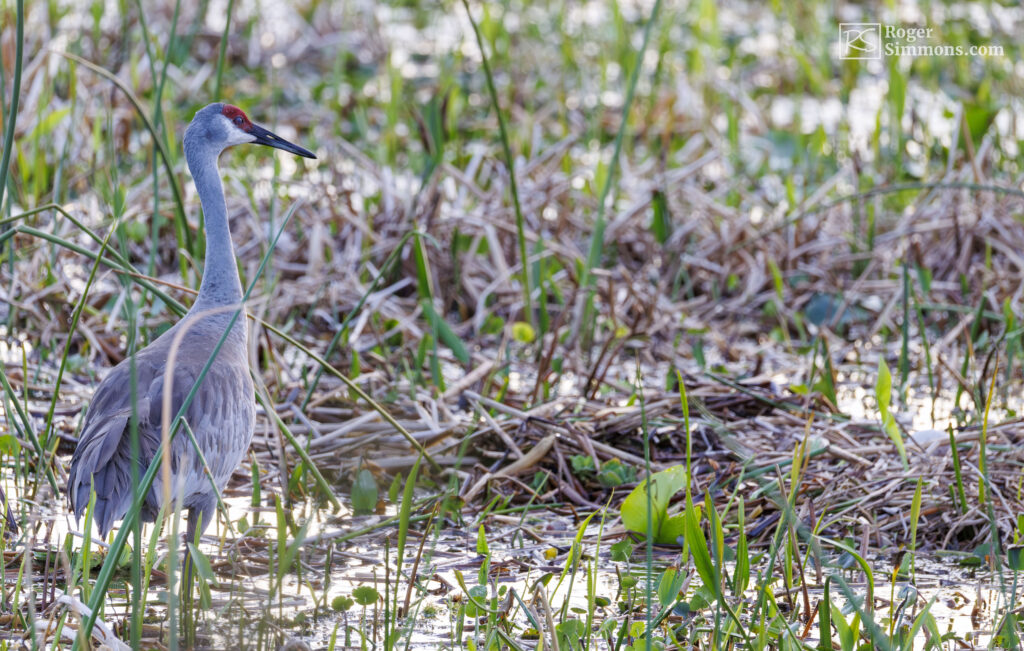
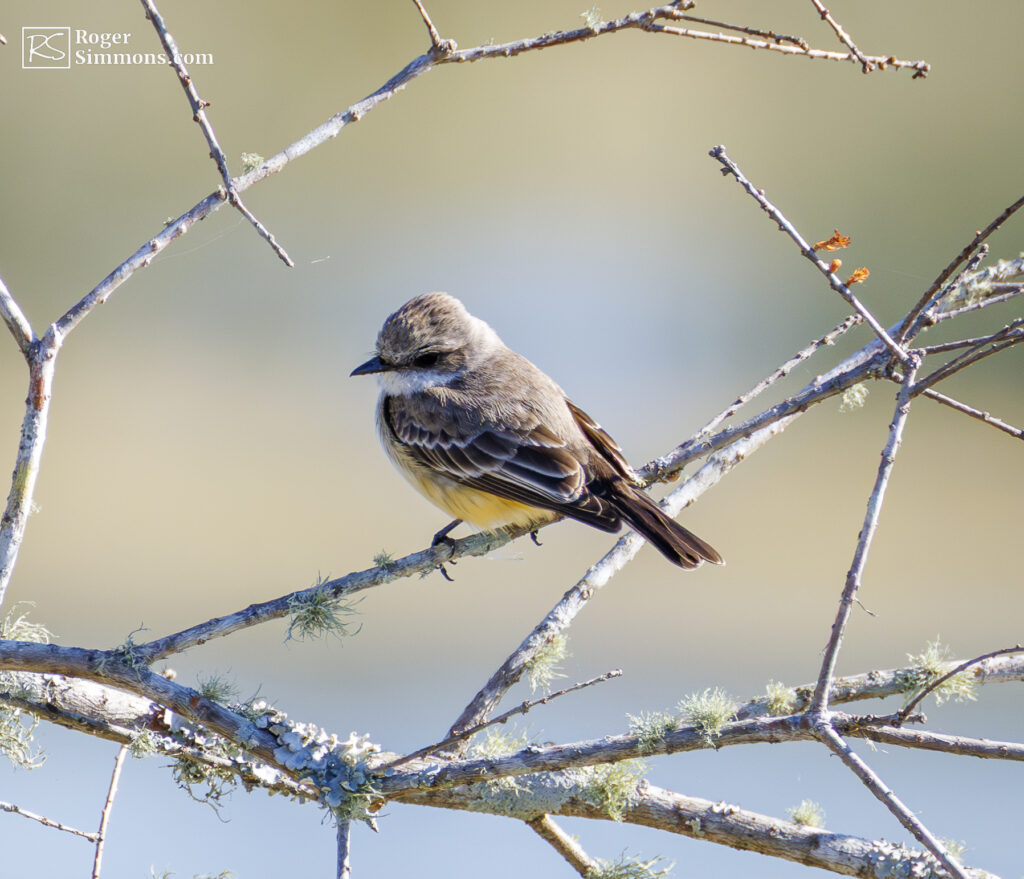
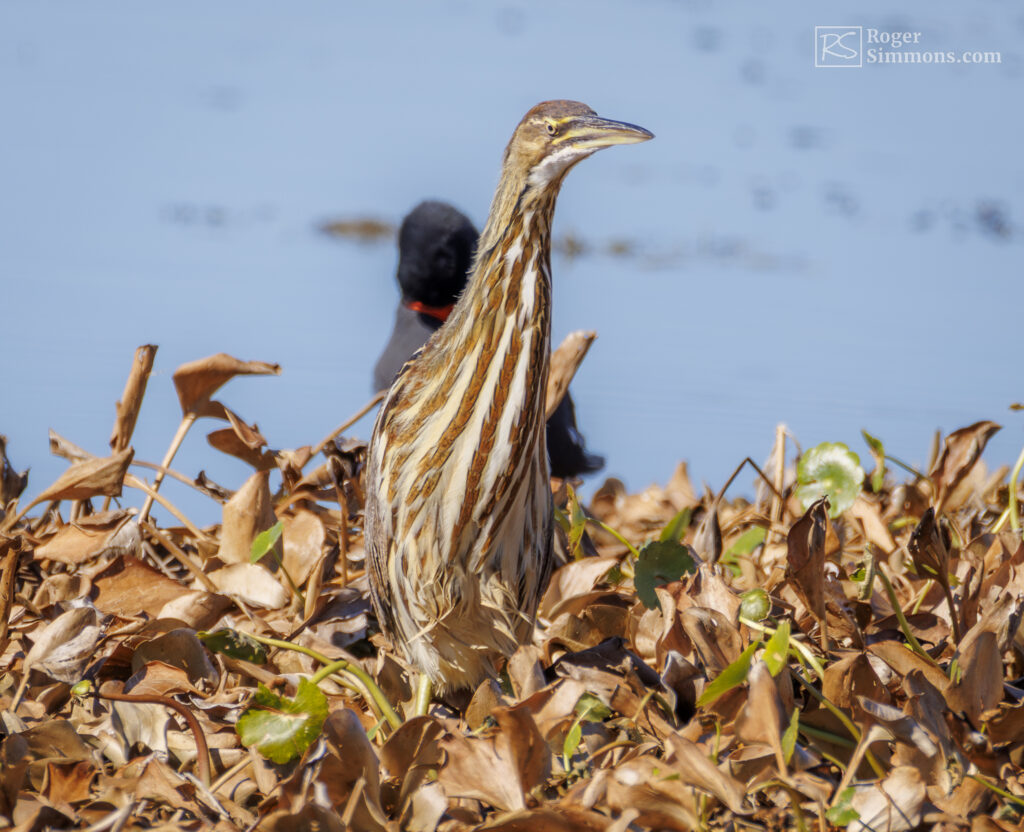
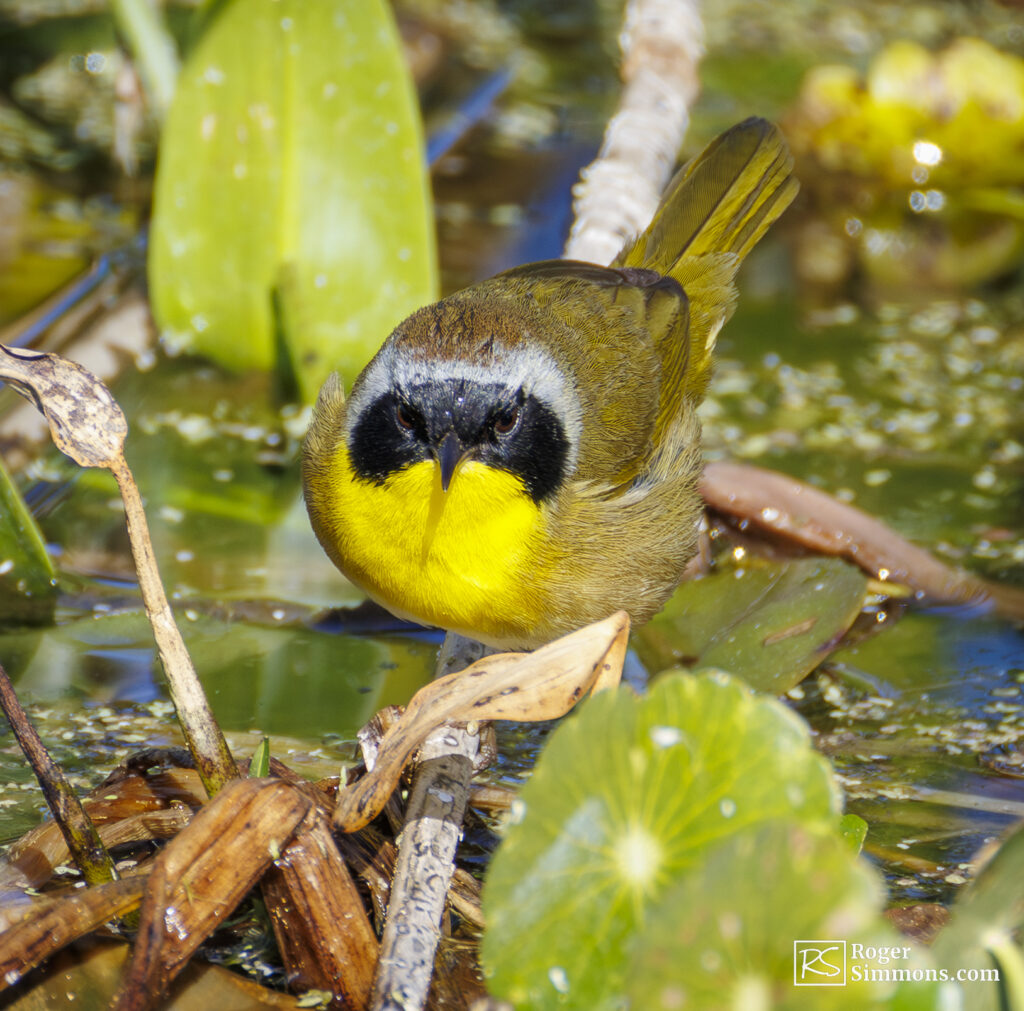
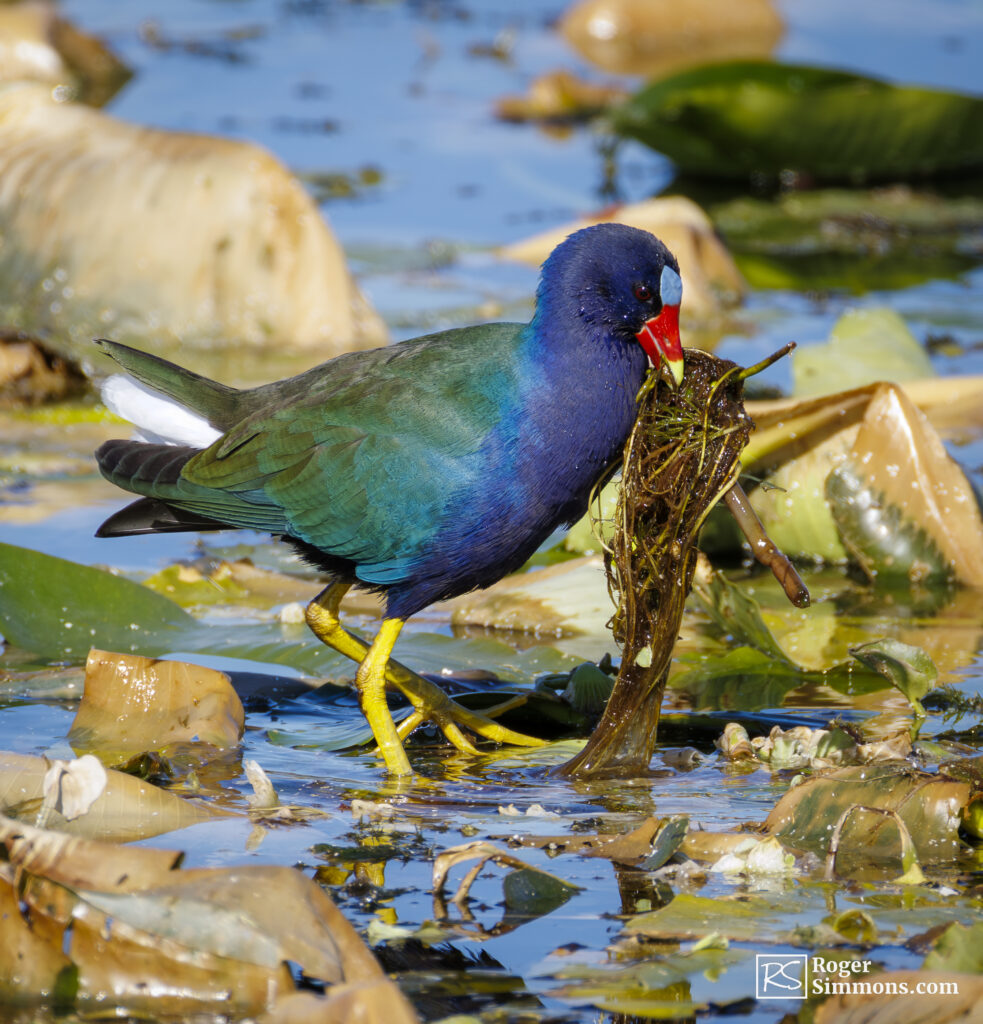
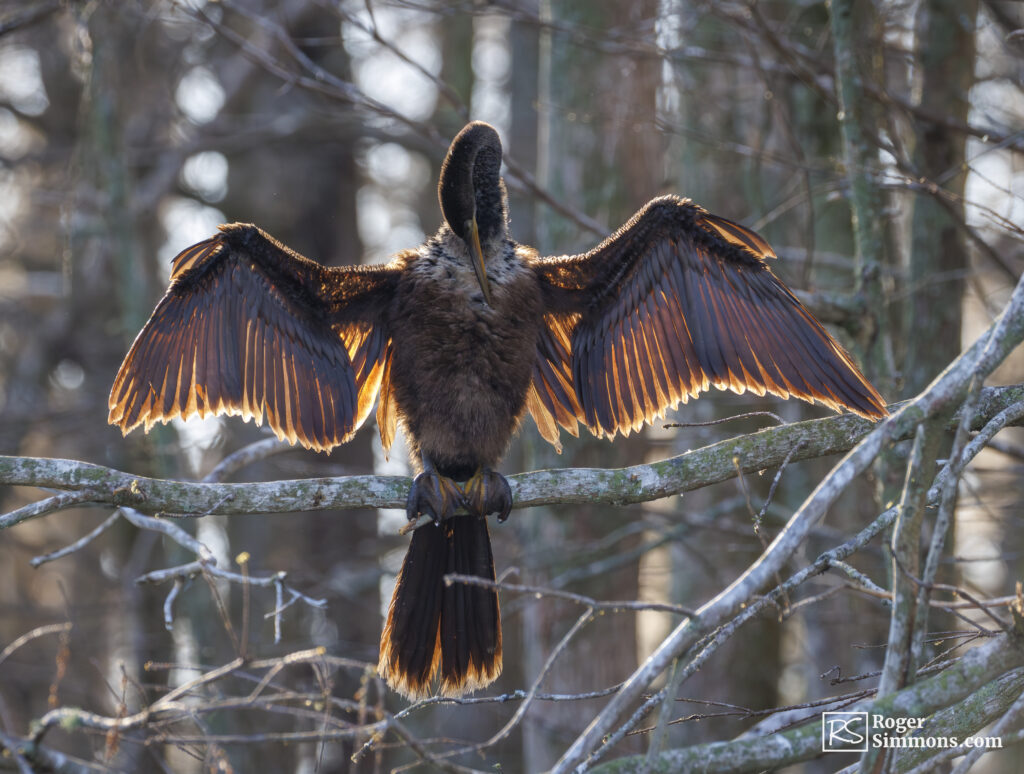
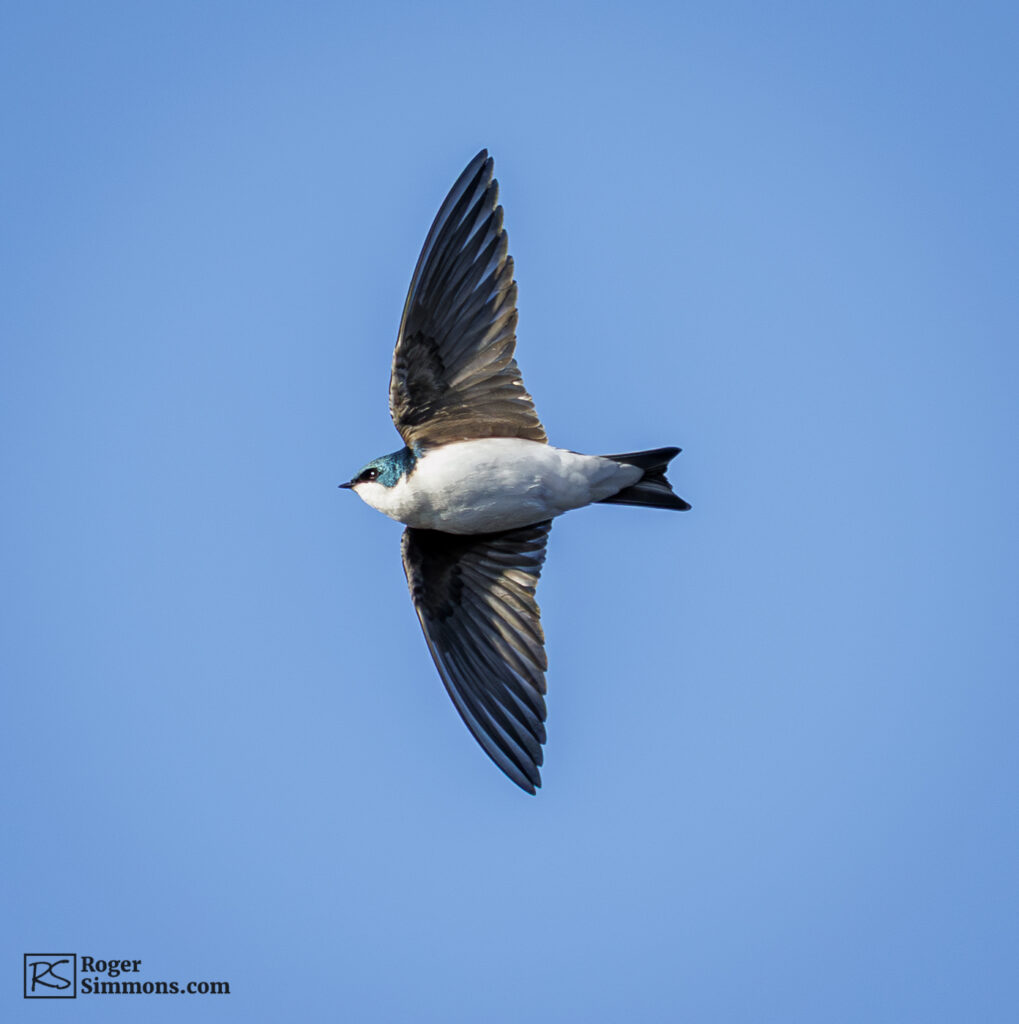
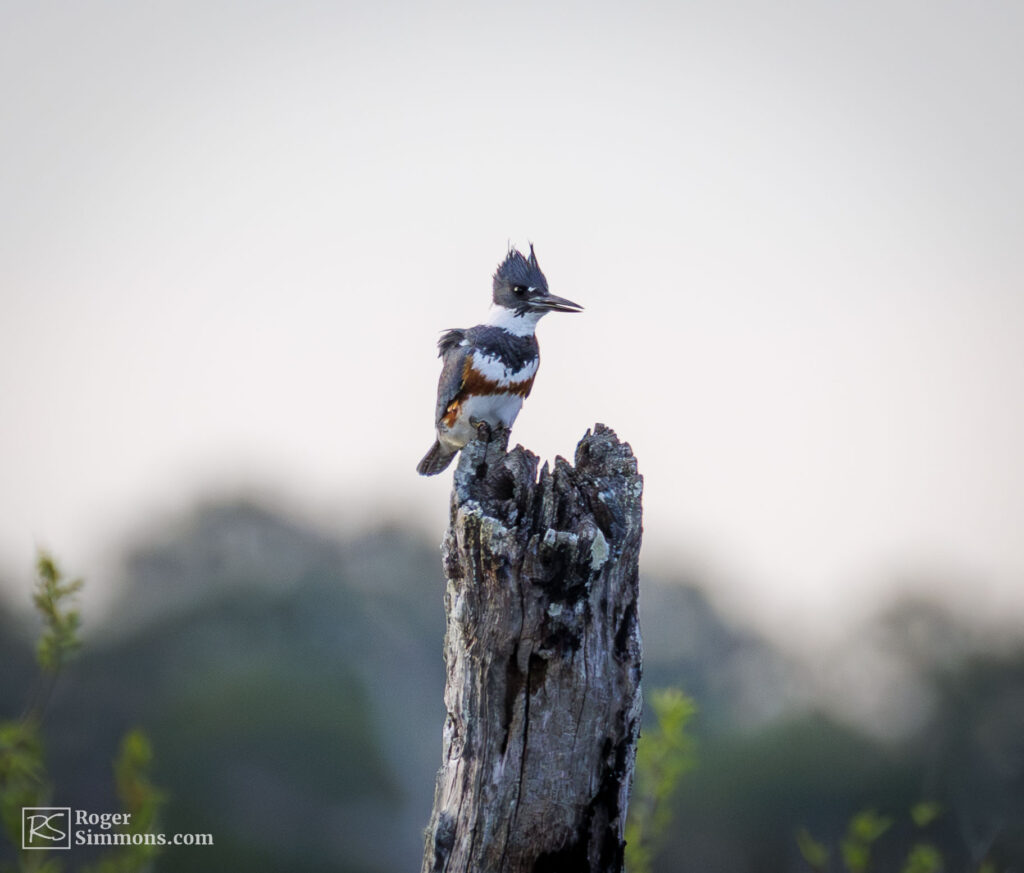
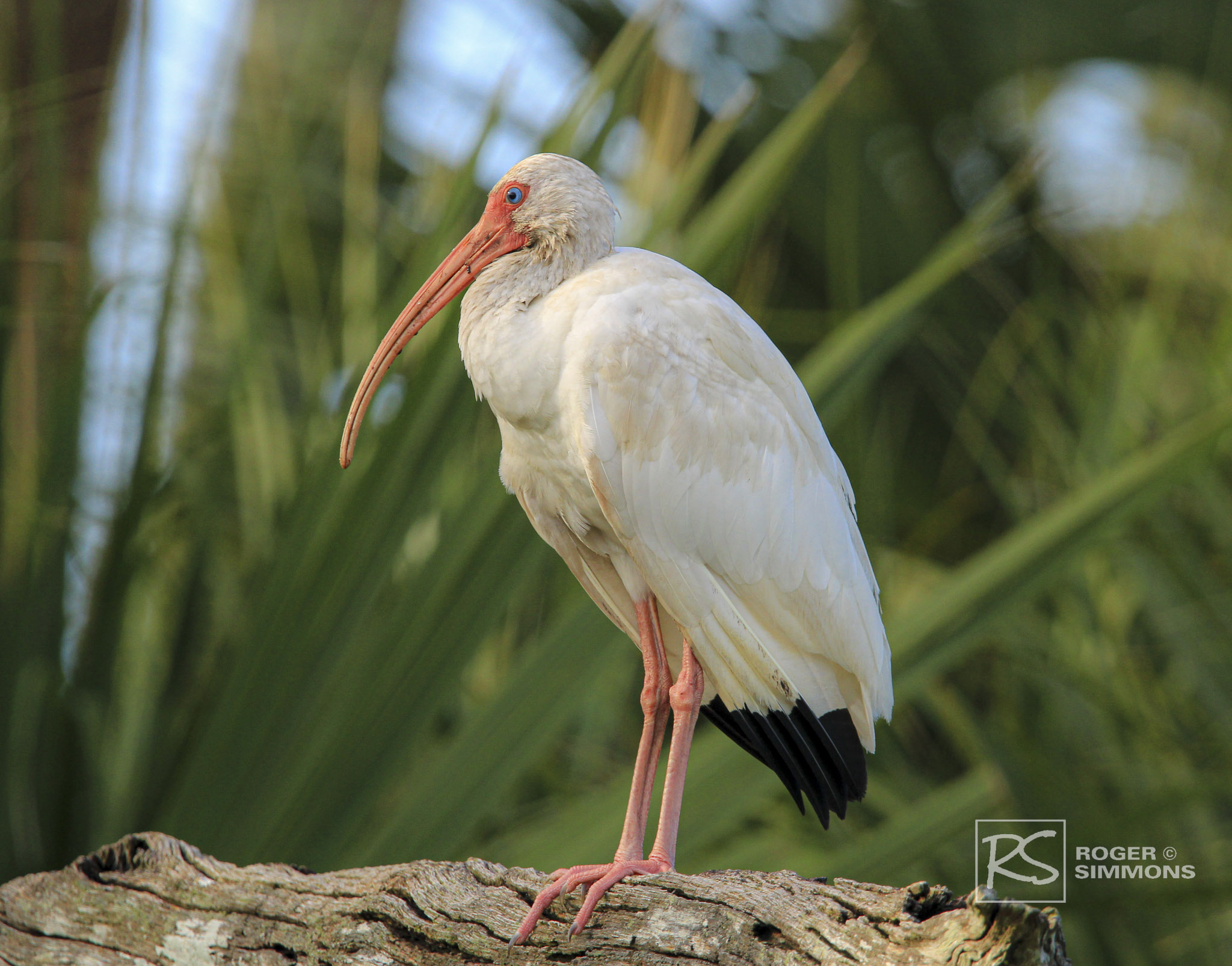
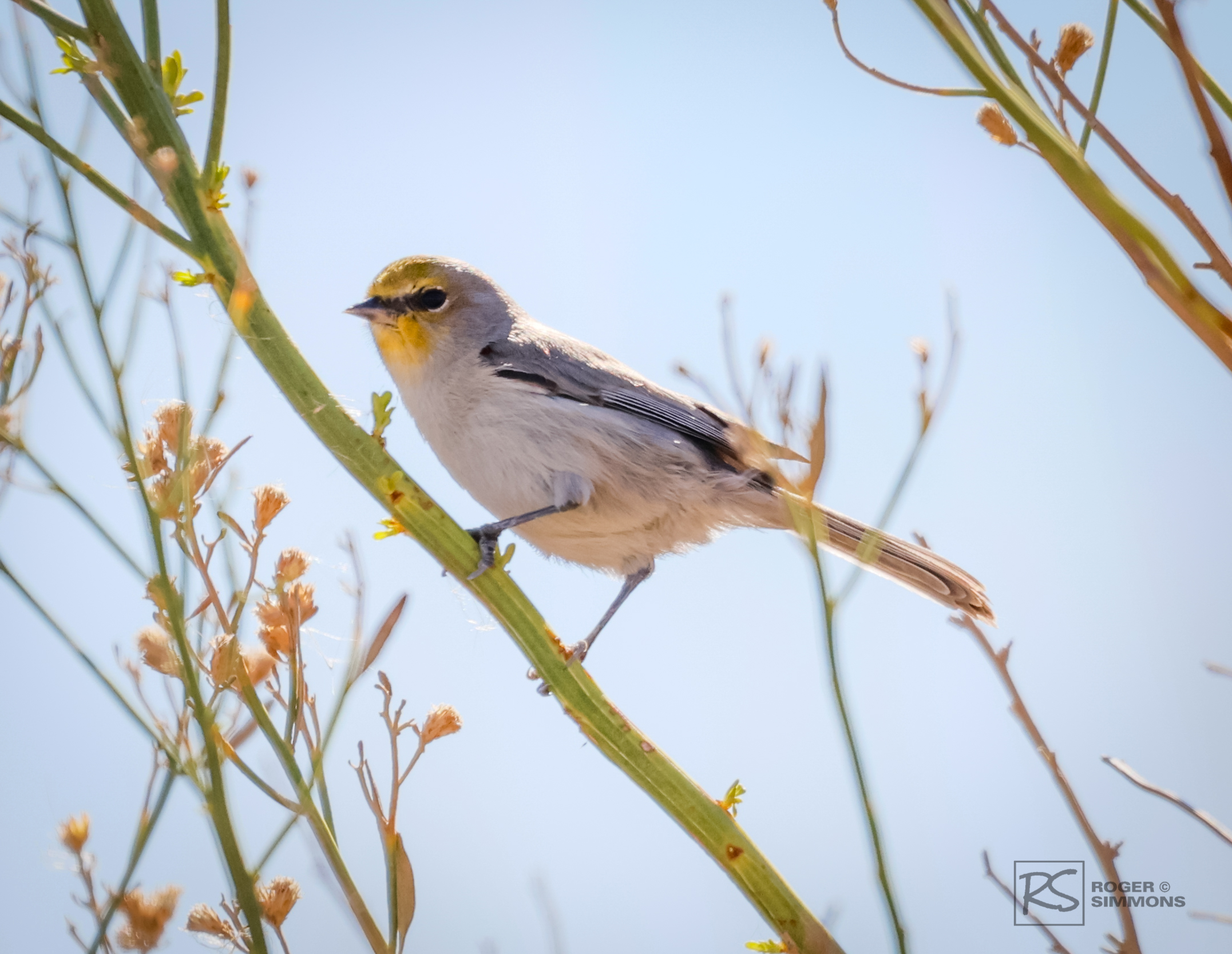
As the photos below from a couple of trips in February illustrate, the number and diversity of birds at the facility is impressive.
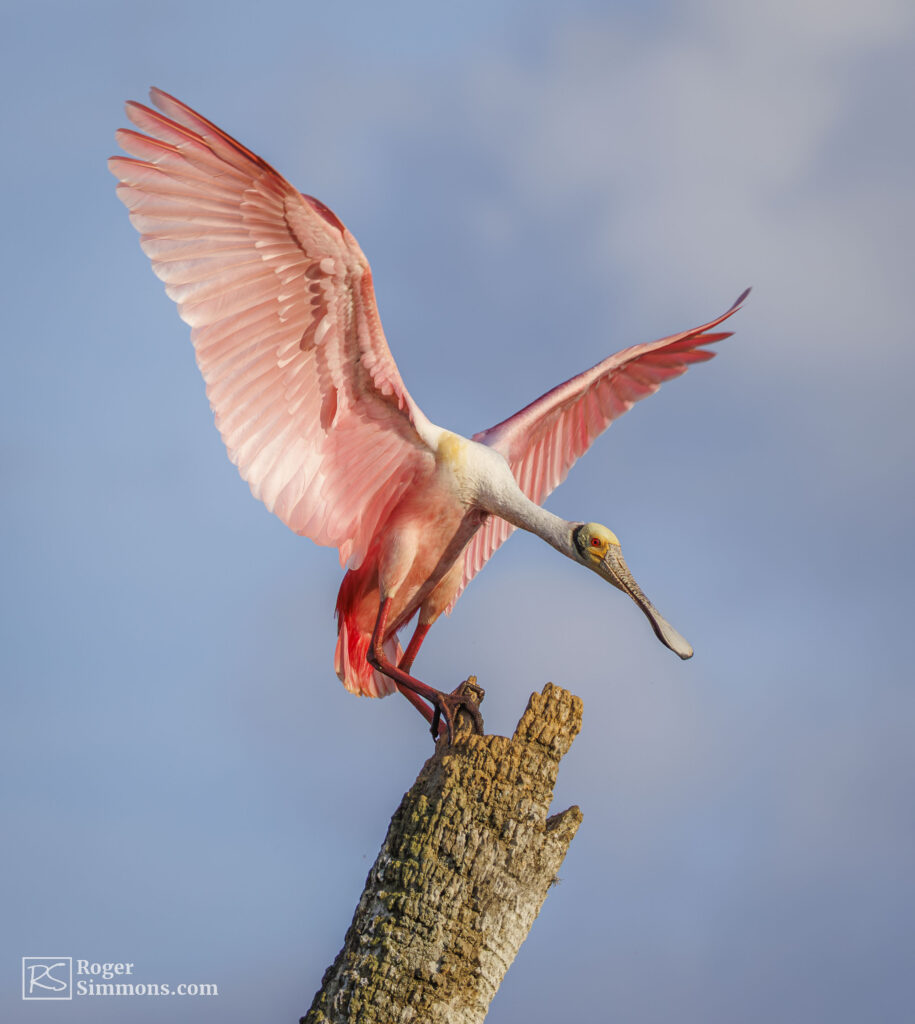
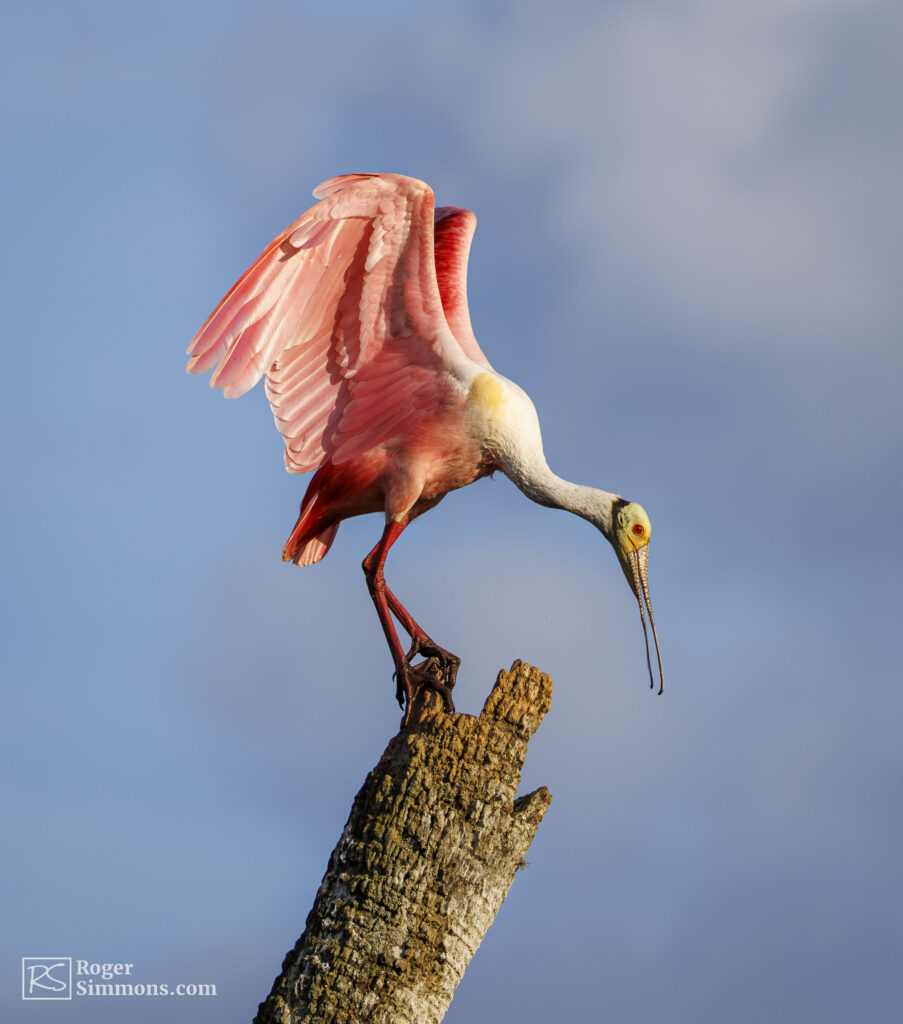
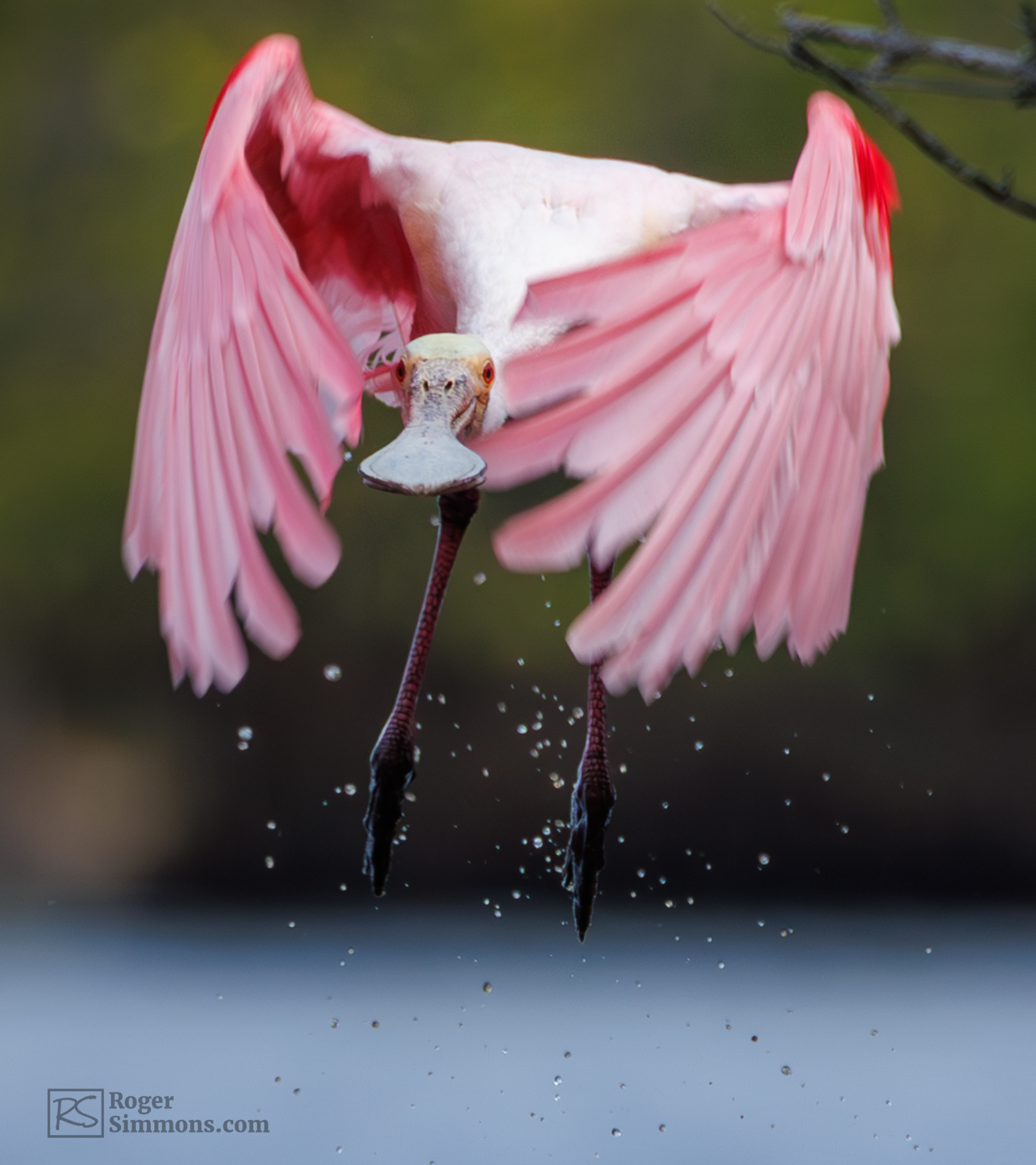
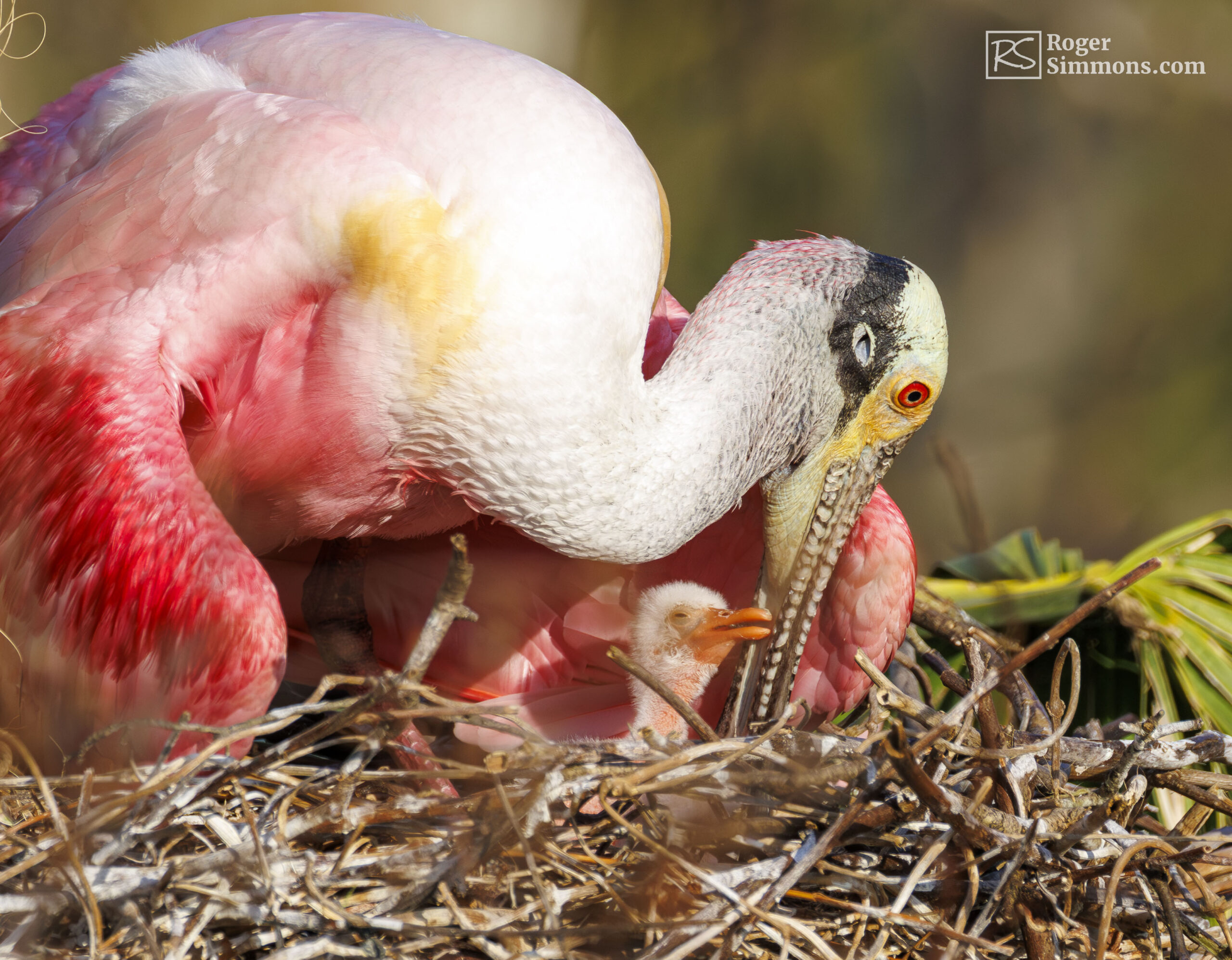
The Roseate Spoonbills grab the attention of most visitors, and that’s only been increasing now that little “teaspoons” are hatching. But there are so many other birds around worth photographing.
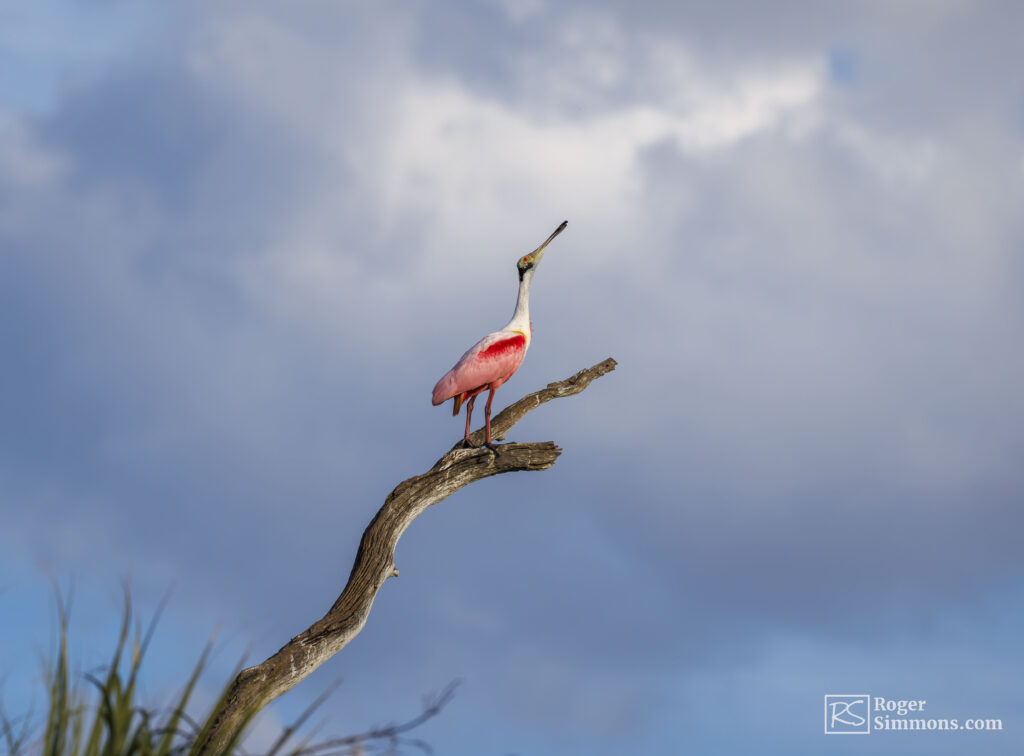
Roseate Spoonbill, Orlando Wetlands, February 2026.Roseate Spoonbill, Orlando Wetlands, February 2026.Roseate Spoonbill on a nest, Orlando Wetlands, February 2026.Roseate Spoonbill with 2-day-old Teaspoon, Orlando Wetlands, February 2026.Roseate Spoonbill looking for nest repair material, Orlando Wetlands, February 2026.Roseate Spoonbill, Orlando Wetlands, February 2026.Roseate Spoonbill, Orlando Wetlands, February 2026.Sandhill Cranes flying overhead, Orlando Wetlands, February 2026.Red-winged Blackbird, Orlando Wetlands, February 2026.Sandhill Crane stands guard at nest with one egg (right), Orlando Wetlands, February 2026/Female Vermilion Flycatcher, Orlando Wetlands, February 2026/American Bittern, Orlando Wetlands, February 2026.Male Common Yellowthroat, Orlando Wetlands, February 2026.Purple Gallinule, Orlando Wetlands, February 2026.Backlit Anhinga, Orlando Wetlands, February 2026.Tree Swallow, Orlando Wetlands, February 2026.Female Belted Kingfisher, Orlando Wetlands, February 2026.
UCF is one of my favorite places to spend time in the fall, cheering on the Knights football team with my family and friends. But it’s also become a place I like to go to in the spring and early summer, thanks to the variety of birds that call the UCF Arboretum home.
I decided to visit the Hal Scott Regional Preserve and Park to look for endangered Red-Cockaded Woodpeckers. I didn’t find any, but did come across some other cool birds.