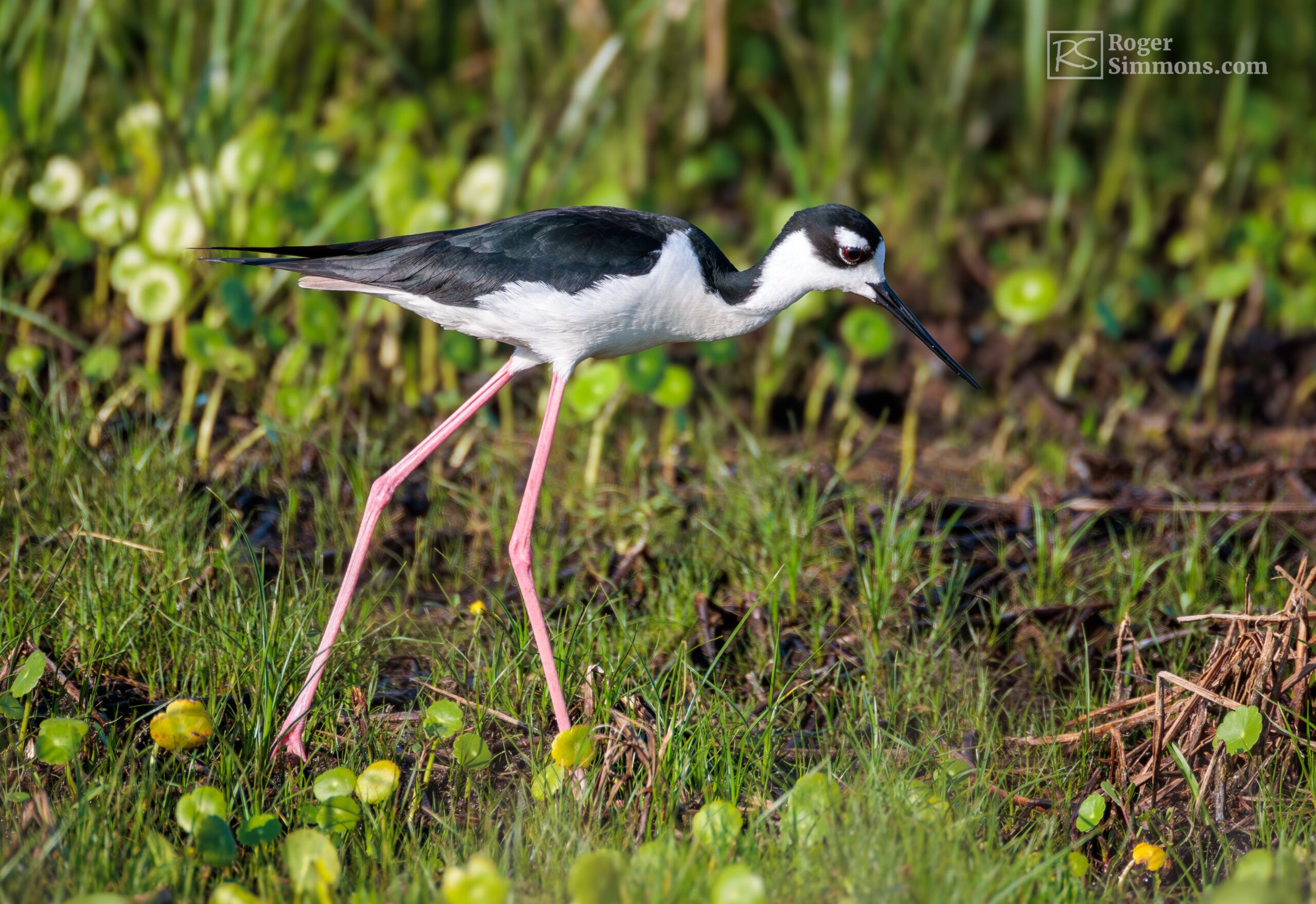
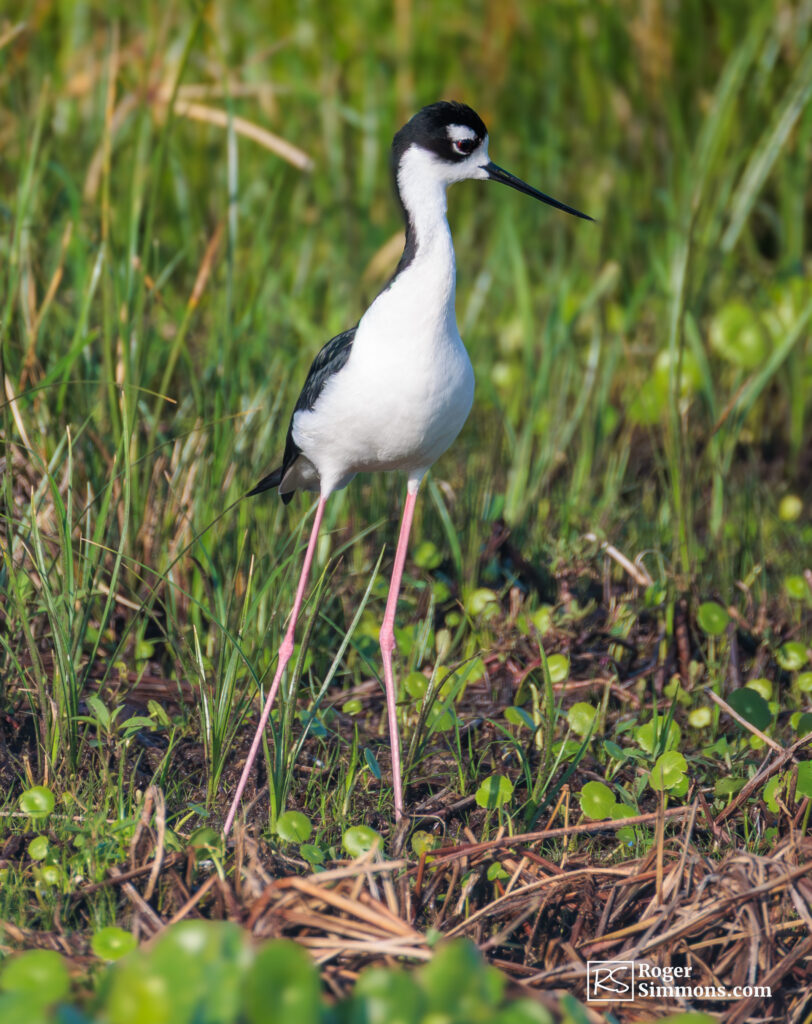
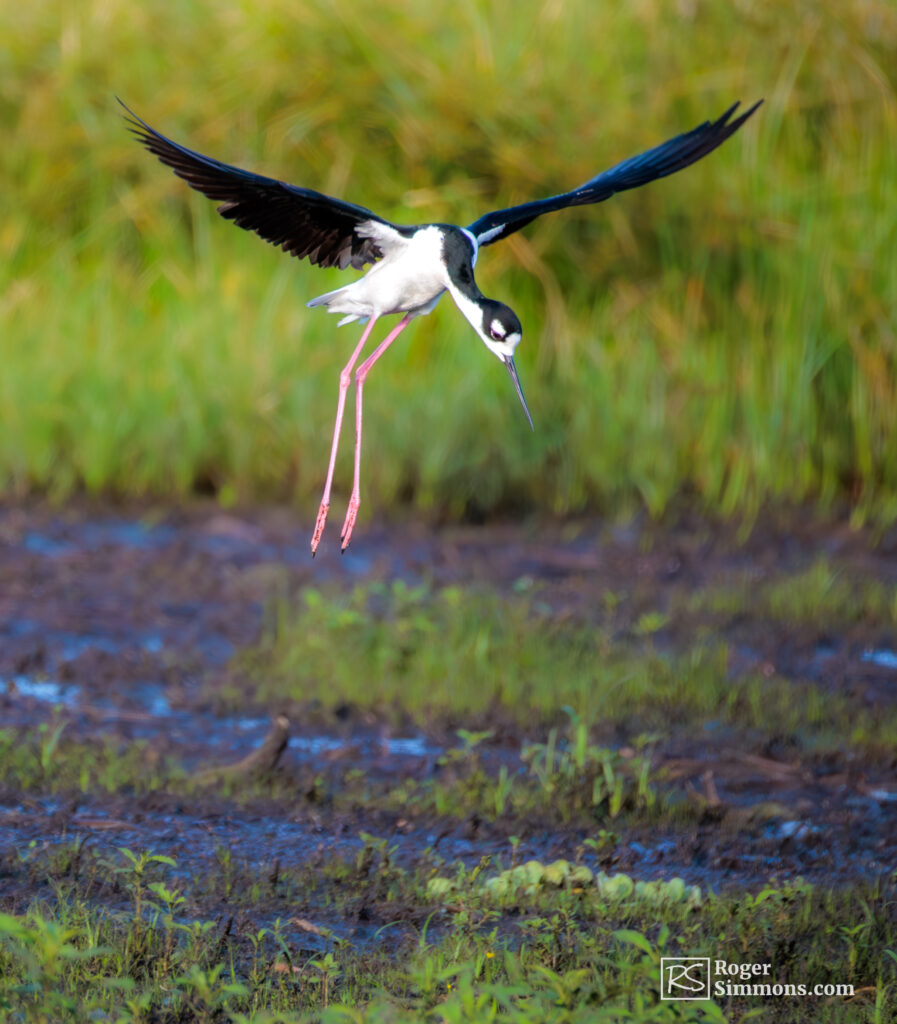
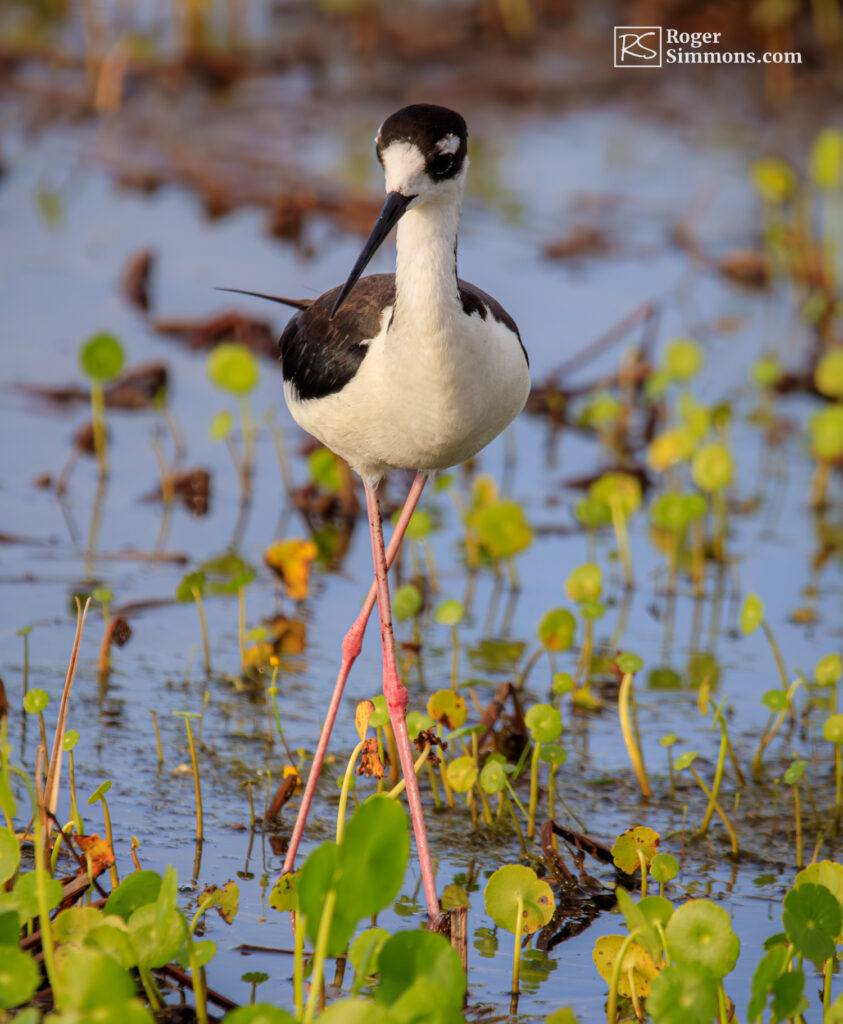
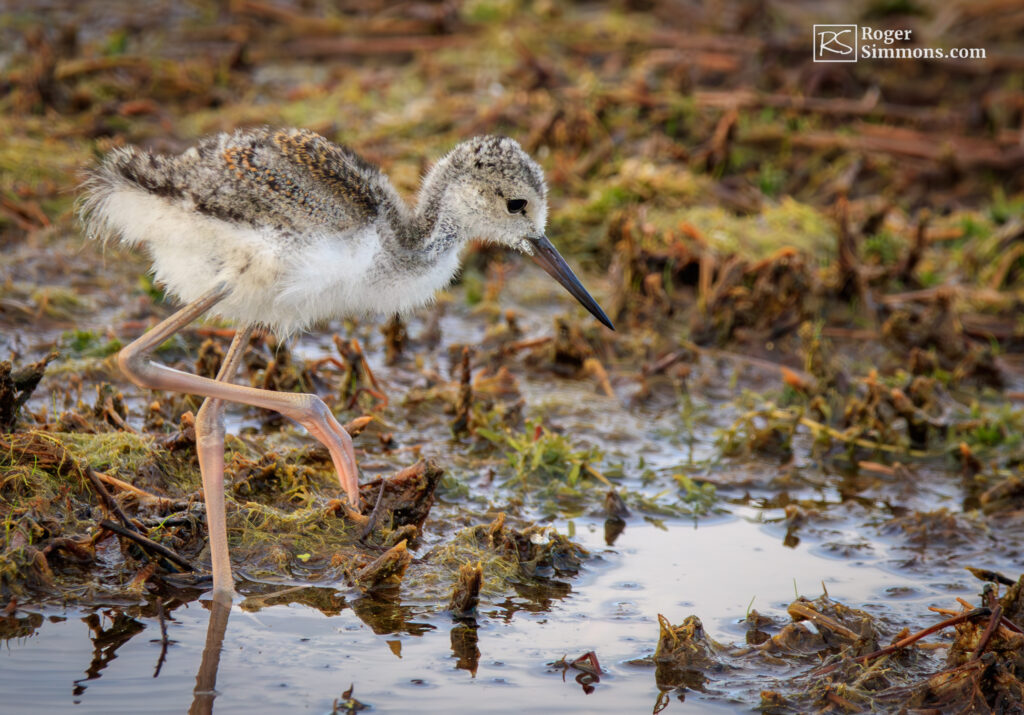
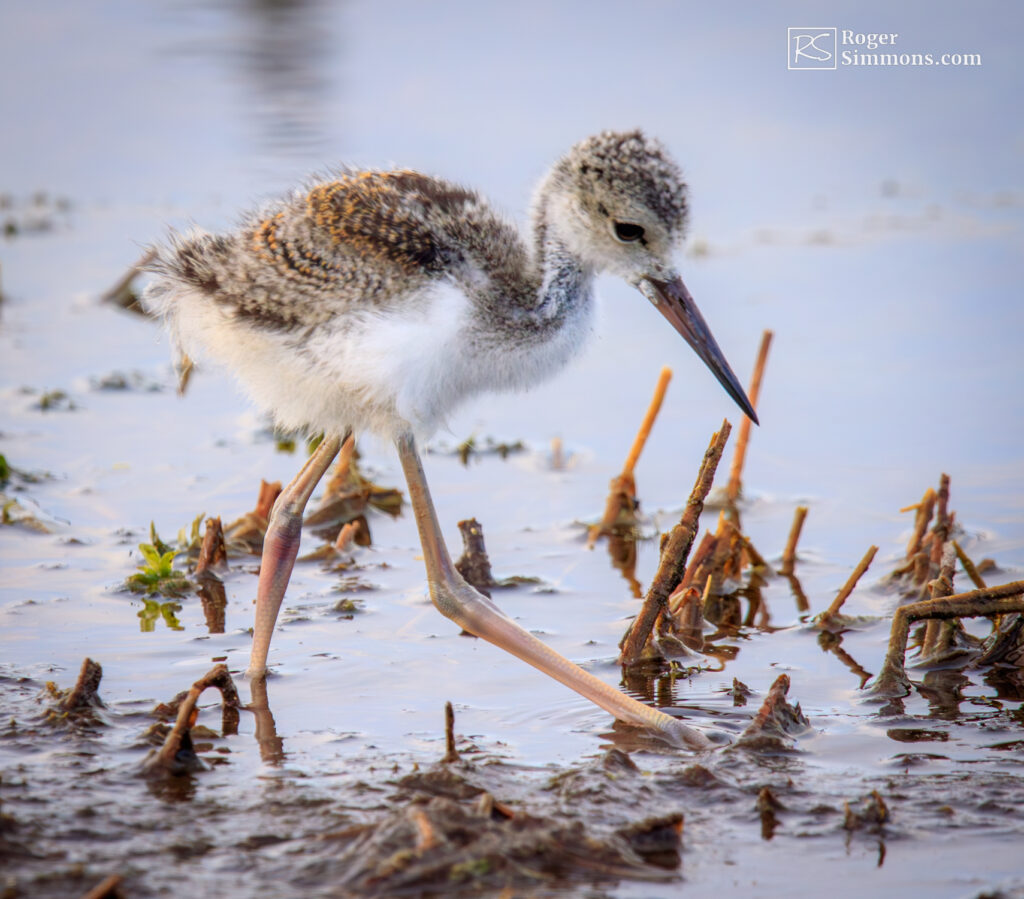
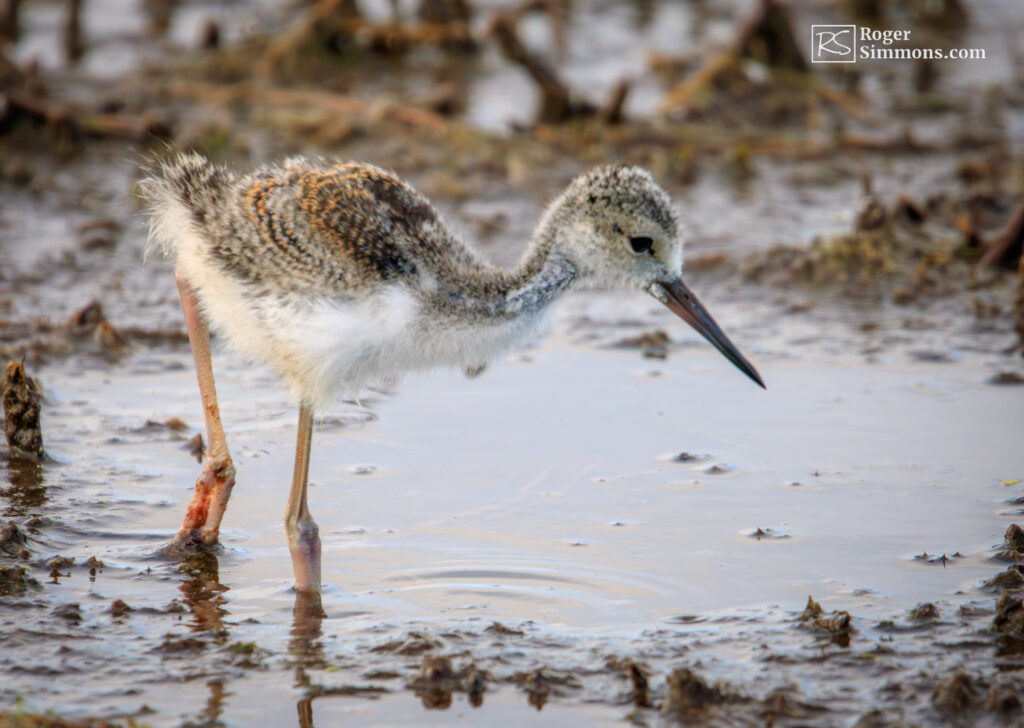
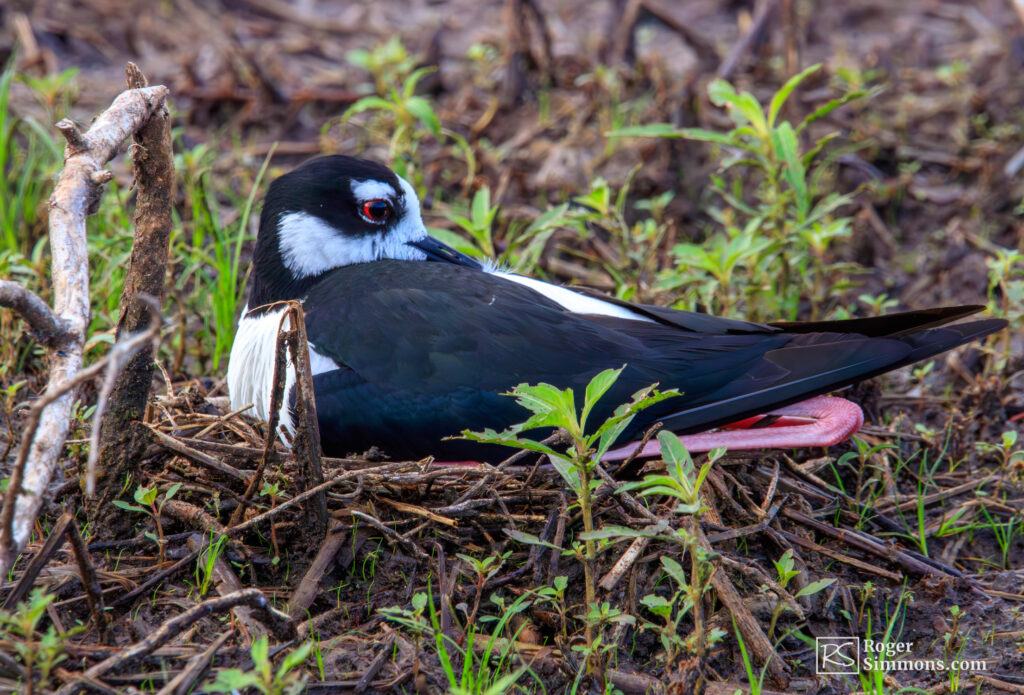
There are some of the coolest smaller birds hanging out in Central Florida right now for their breeding season. They’re Black-necked Stilts.
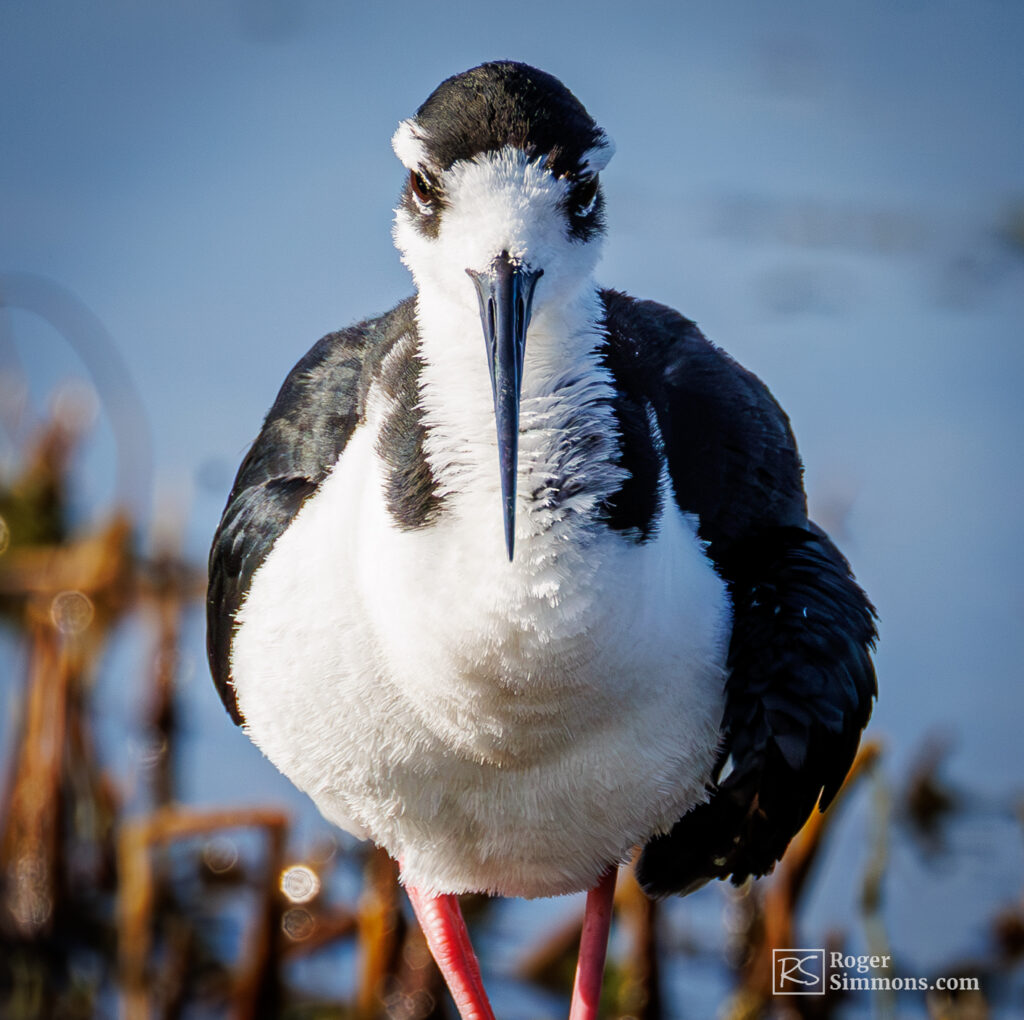
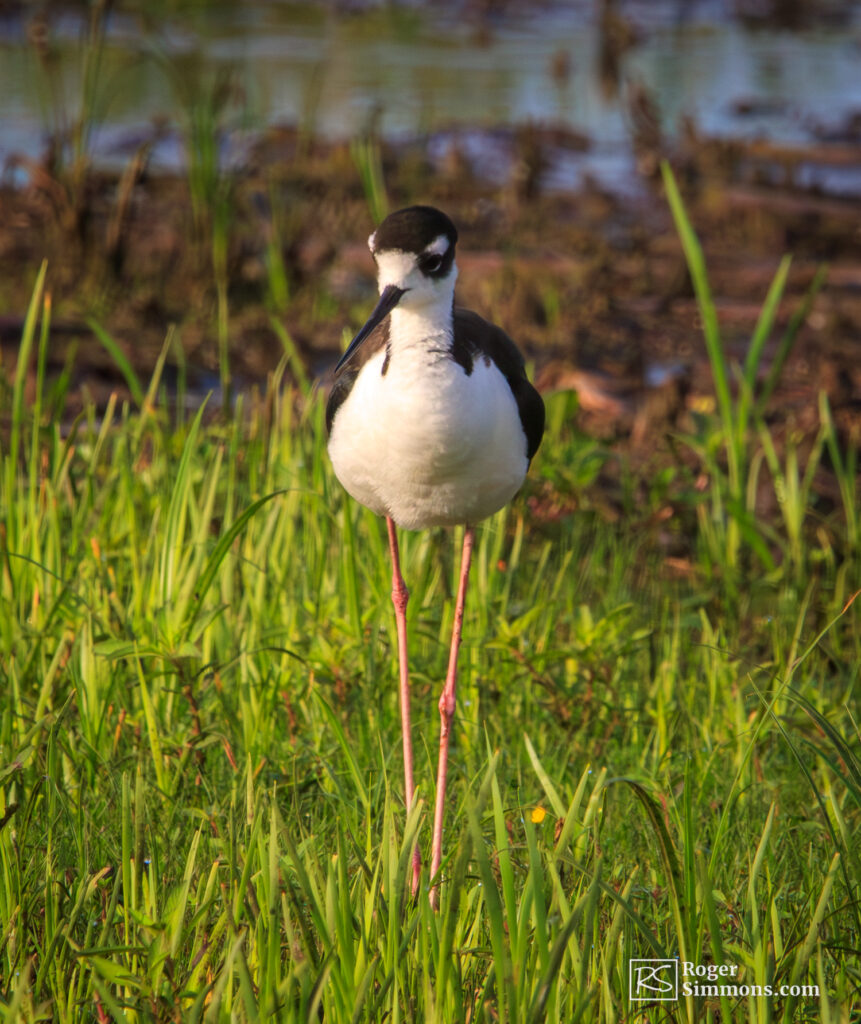
These 14- to 18-inch-tall birds are easy to identify. I love the way AllAboutBirds.org describes them: “Black-necked Stilts are among the most stately of the shorebirds, with long rose-pink legs, a long thin black bill, and elegant black-and-white plumage that make them unmistakable at a glance. “
They’re seen year-round across Cuba, the Caribbean, and parts of Mexico and South America. When visiting Florida, its strictly business — as in getting down to business and making some babies. And some have been very busy.
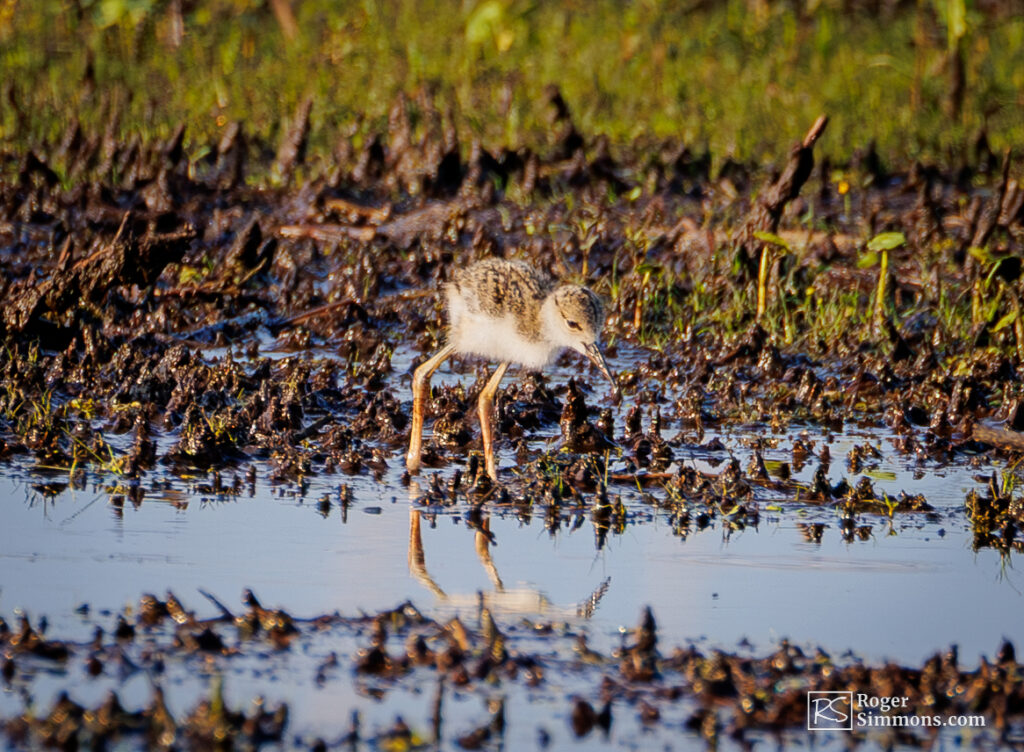
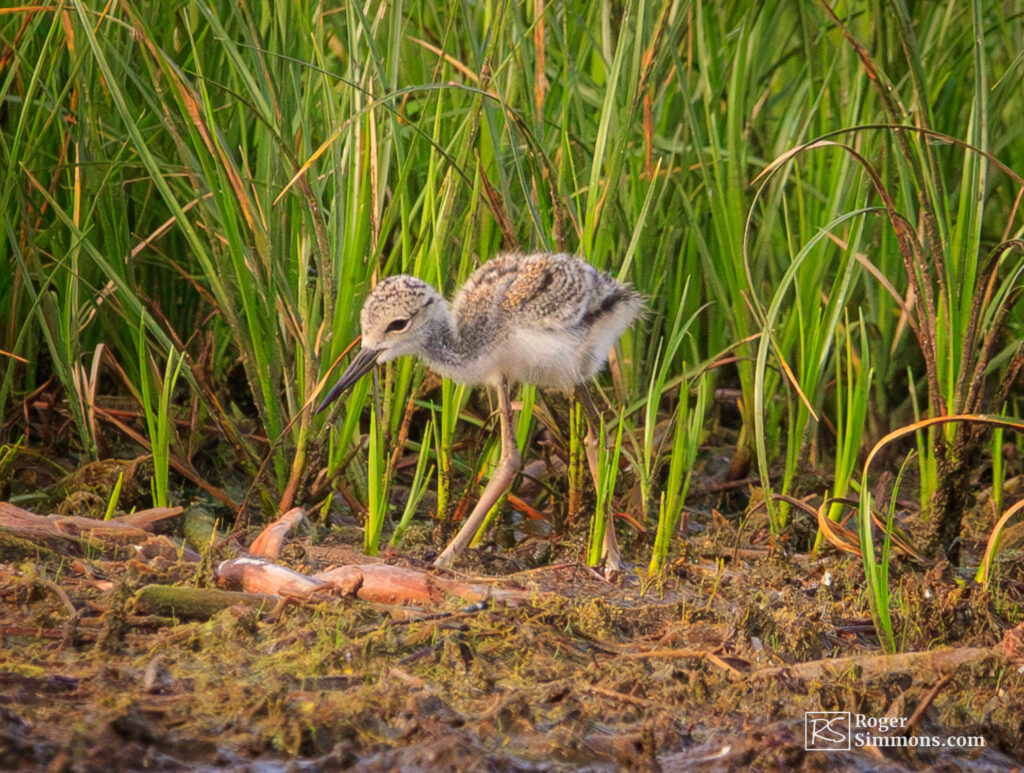
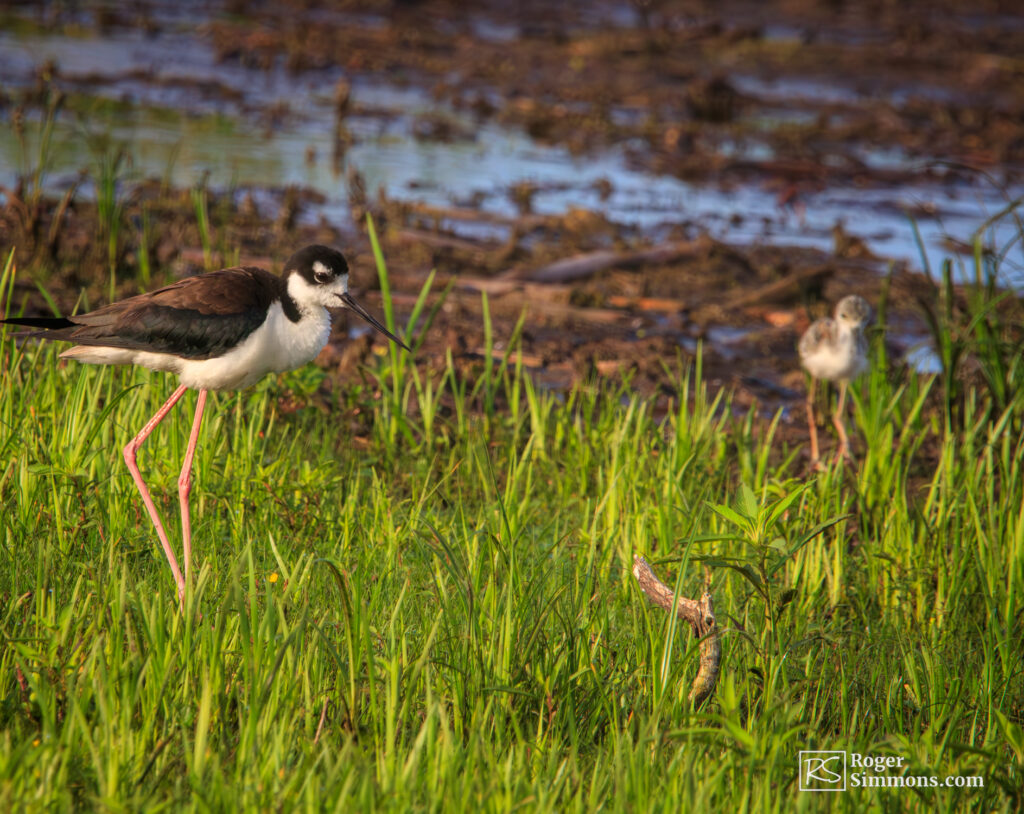
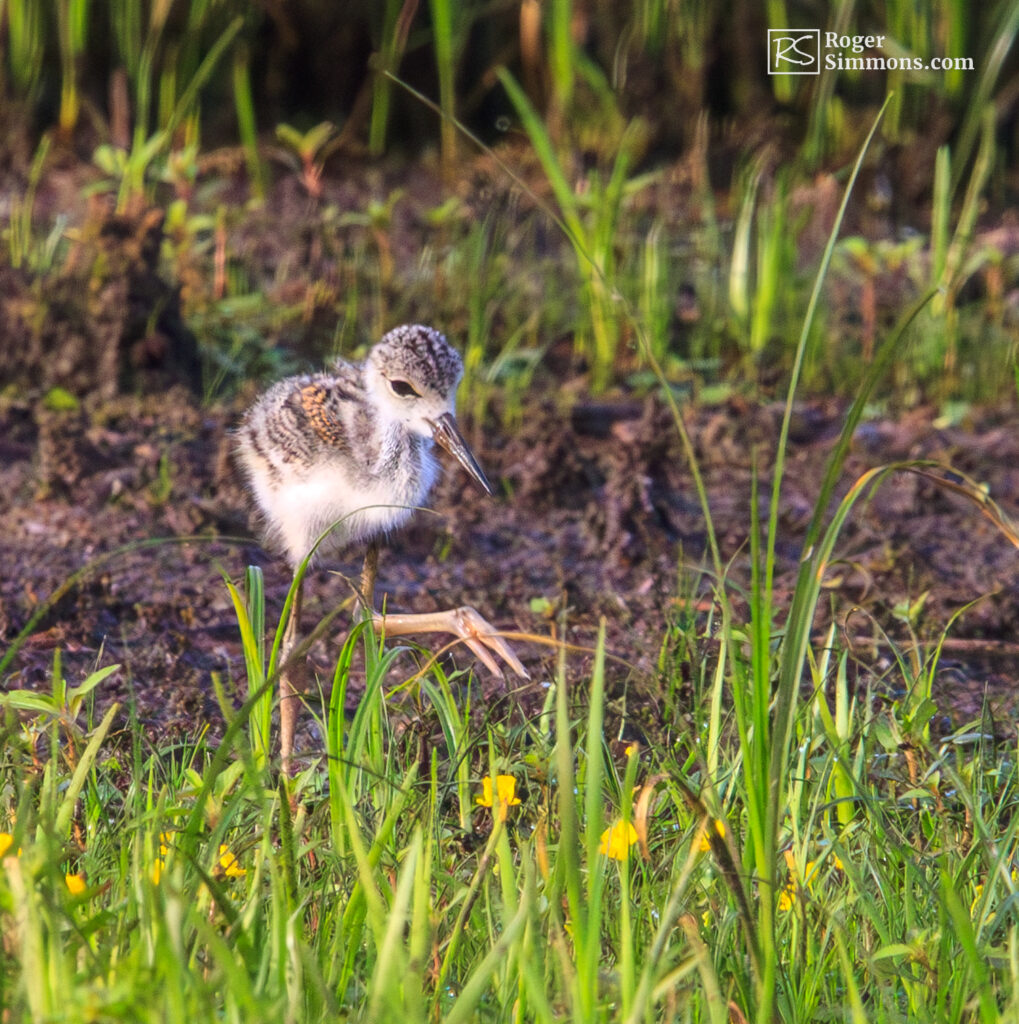
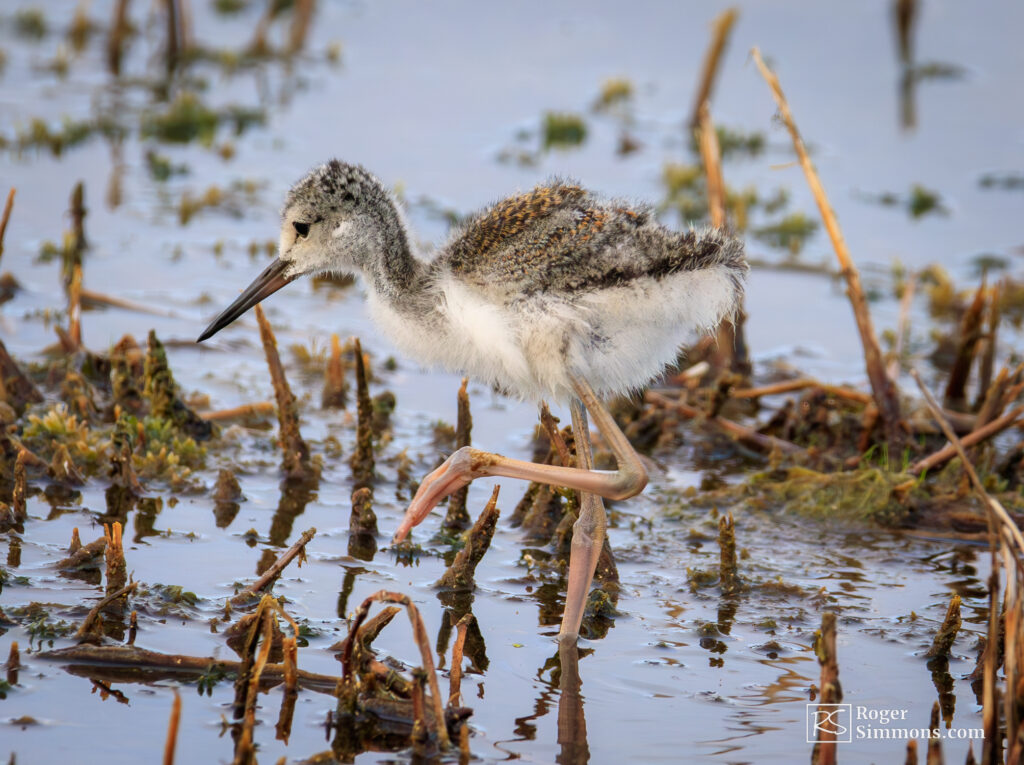
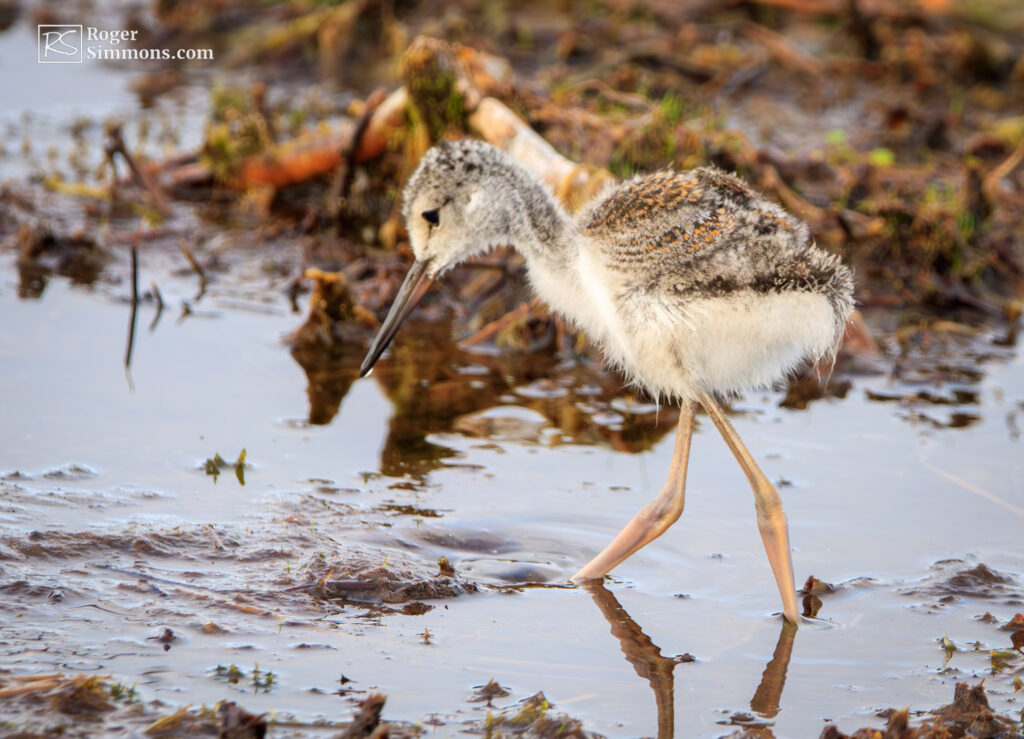
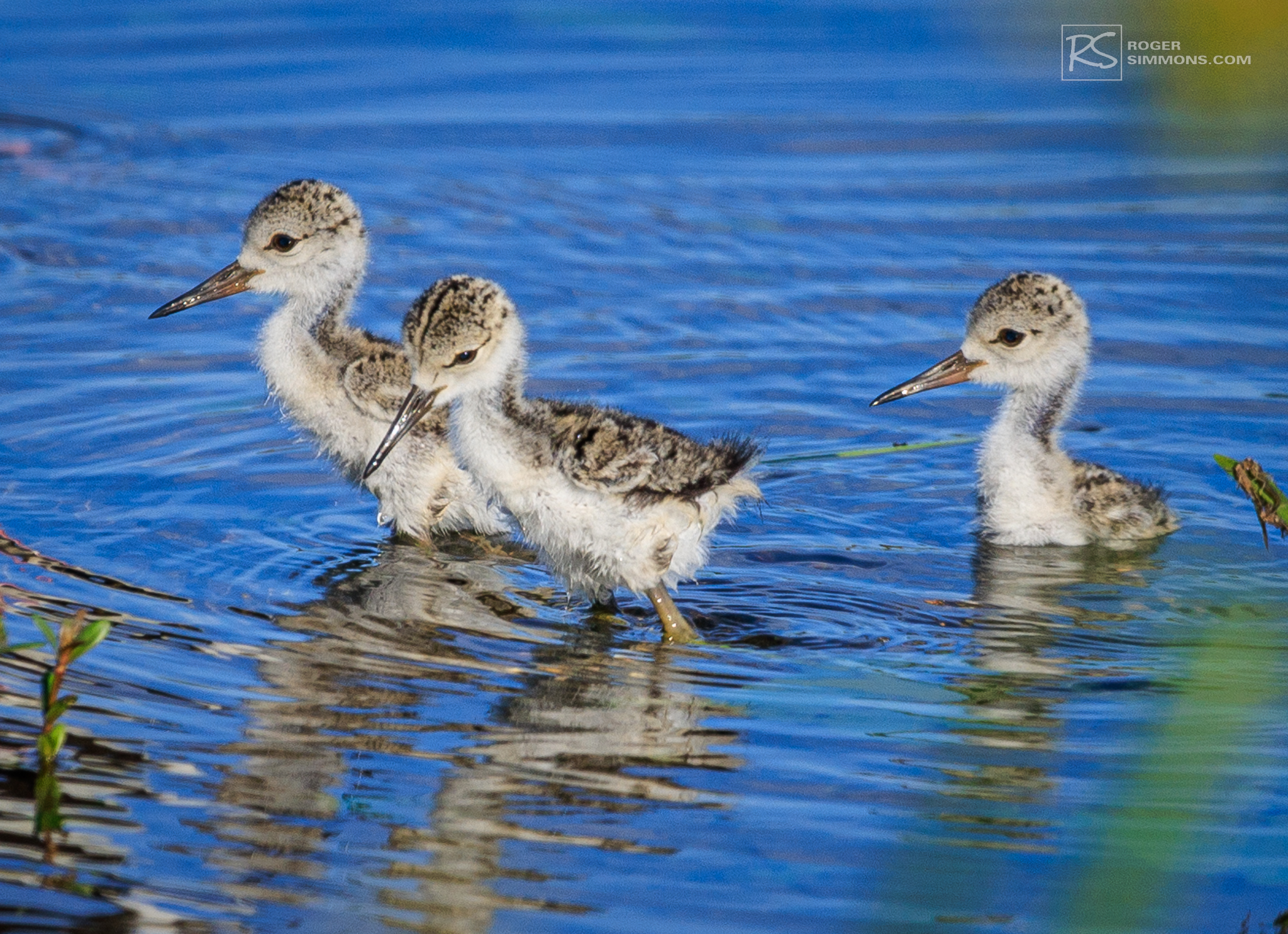
There were a lot of Stilts and their babies along the Lake Apopka Wildlife Drive the past two weekends. The little ones are grayish-brown and white, and you can already see their long legs starting to take shape.
I’ve also seen Black-necked Stilts at the Merritt Island National Wildlife Refuge, Orlando Wetlands and Viera Wetlands. They bring some fun to summer bird photography.
Black-necked Stilt parent, Lake Apopka Wildlife Drive, June 2025.Black-necked Stilt parent, Lake Apopka Wildlife Drive, June 2025.Black-necked Stilt parent, Lake Apopka Wildlife Drive, June 2025.Black-necked Stilt baby, Lake Apopka Wildlife Drive, June 2025.Black-necked Stilt baby, Lake Apopka Wildlife Drive, June 2025.Black-necked Stilt parent, Lake Apopka Wildlife Drive, June 2025.Black-necked Stilt baby, Lake Apopka Wildlife Drive, June 2025.Black-necked Stilt parent and baby, Lake Apopka Wildlife Drive, June 2025.Black-necked Stilt parent, Lake Apopka Wildlife Drive, June 2025.Black-necked Stilt baby, Lake Apopka Wildlife Drive, June 2025.Black-necked Stilt baby, Lake Apopka Wildlife Drive, June 2025.Black-necked Stilt baby, Lake Apopka Wildlife Drive, June 2025.Black-necked Stilt baby, Lake Apopka Wildlife Drive, June 2025.Black-necked Stilt baby, Lake Apopka Wildlife Drive, June 2025.Black-necked Stilt baby, Lake Apopka Wildlife Drive, June 2025.Black-necked Stilt parent on a nest, Lake Apopka Wildlife Drive, June 2025.