One of the big reasons the Orlando Wetlands is so popular year-round – but especially this time of year – is the diversity of birds that can be found there.
Most folks flock to the park to see the Roseate Spoonbills and their little teaspoons or the Sandhill Cranes with their colts, but there are so many other photogenic birds around.
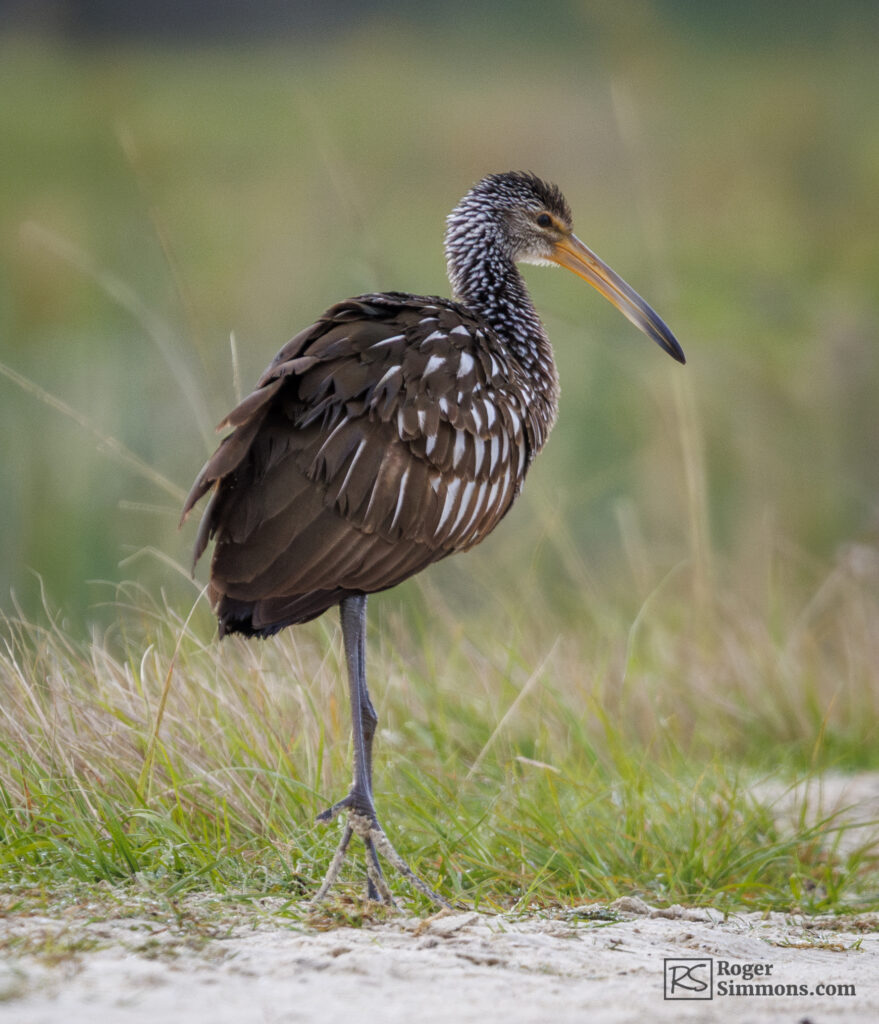
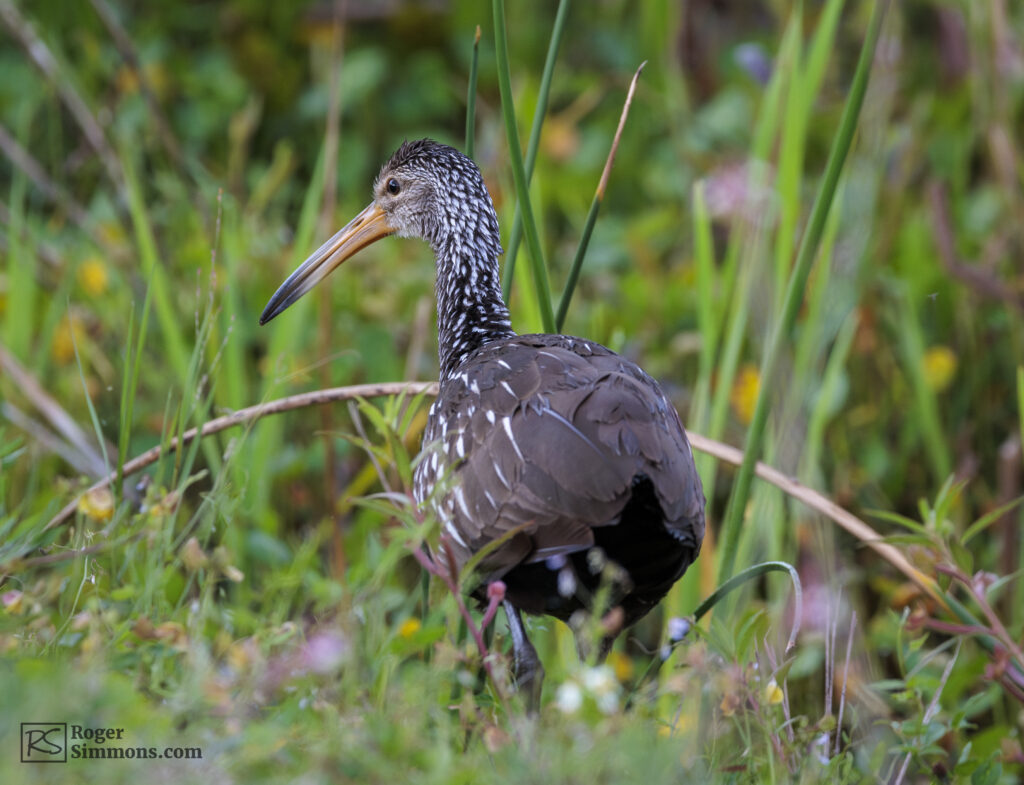
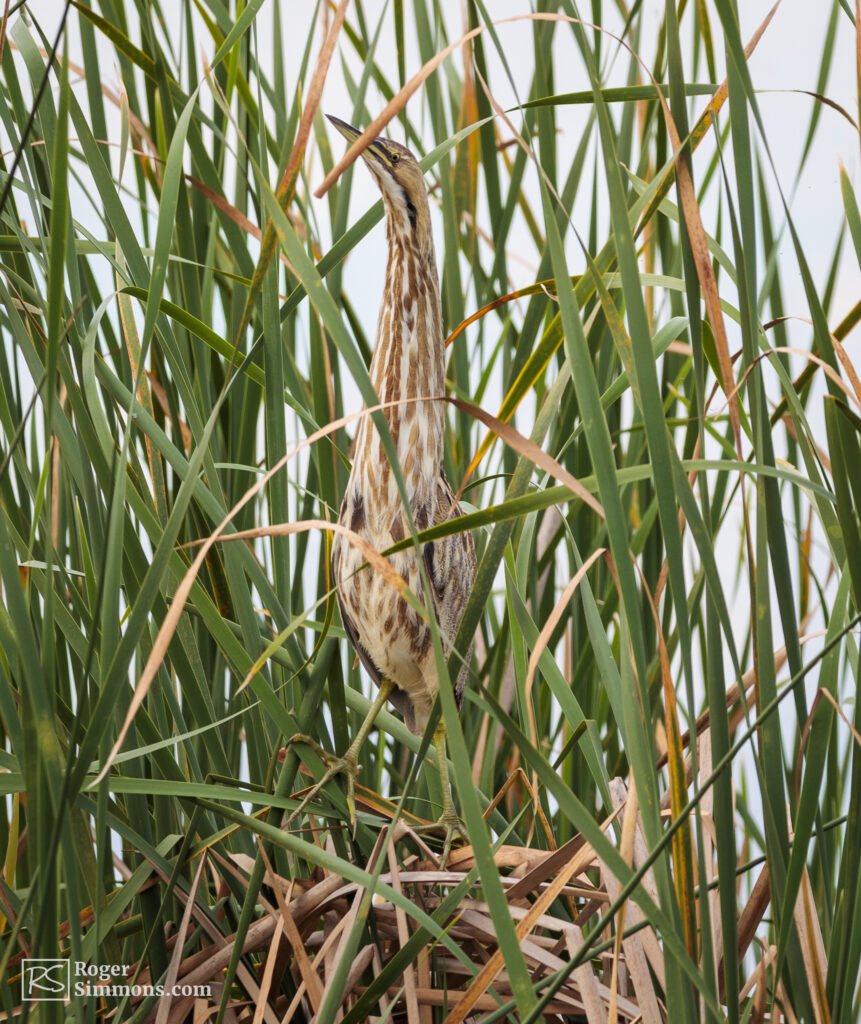
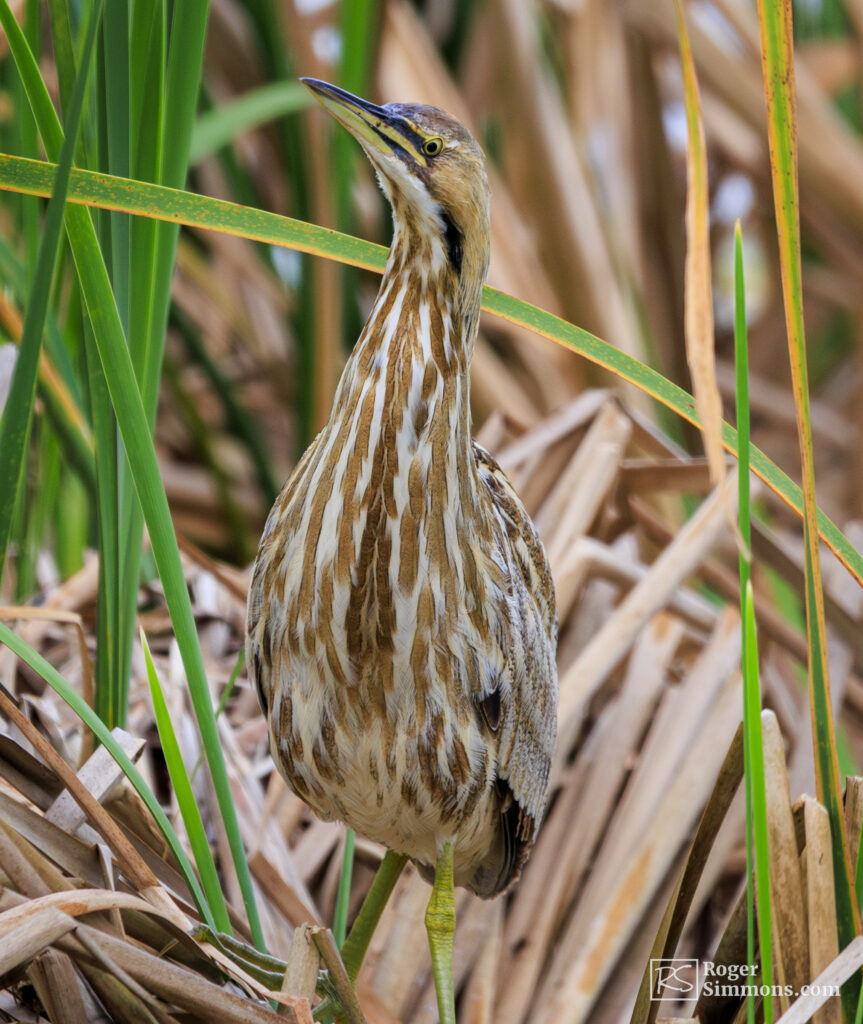
Some can be difficult to spot – like the reclusive American Bittern or the Limpkin, whose only U.S. habitat is in Florida. Others are out and abundant – like Ibises and Grackles.
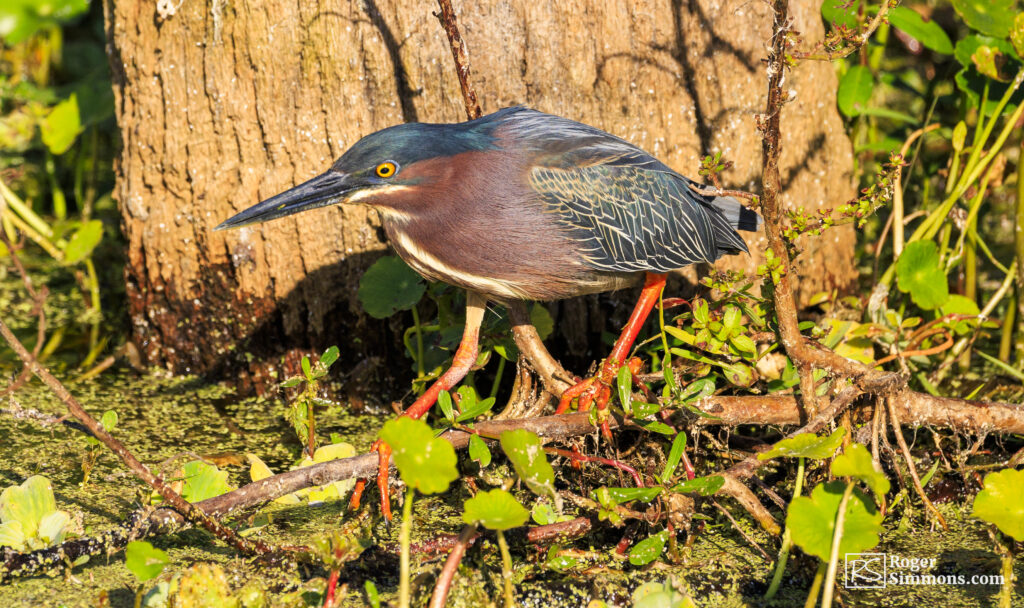
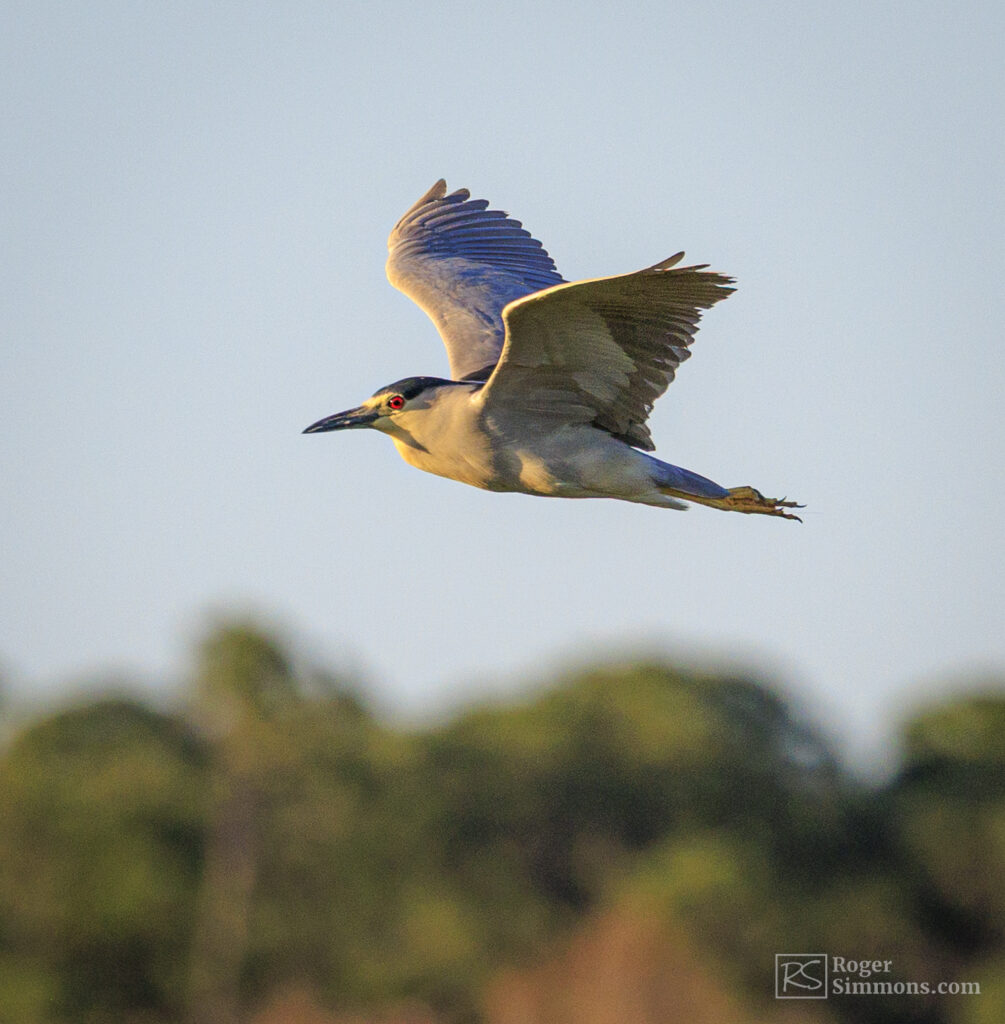
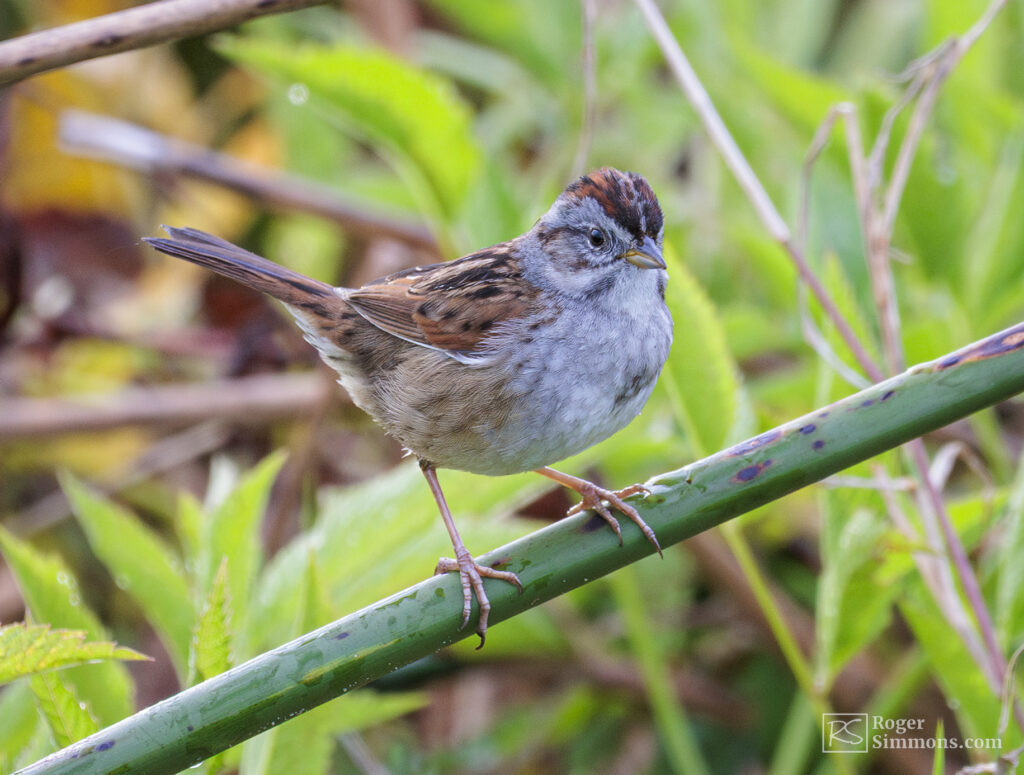
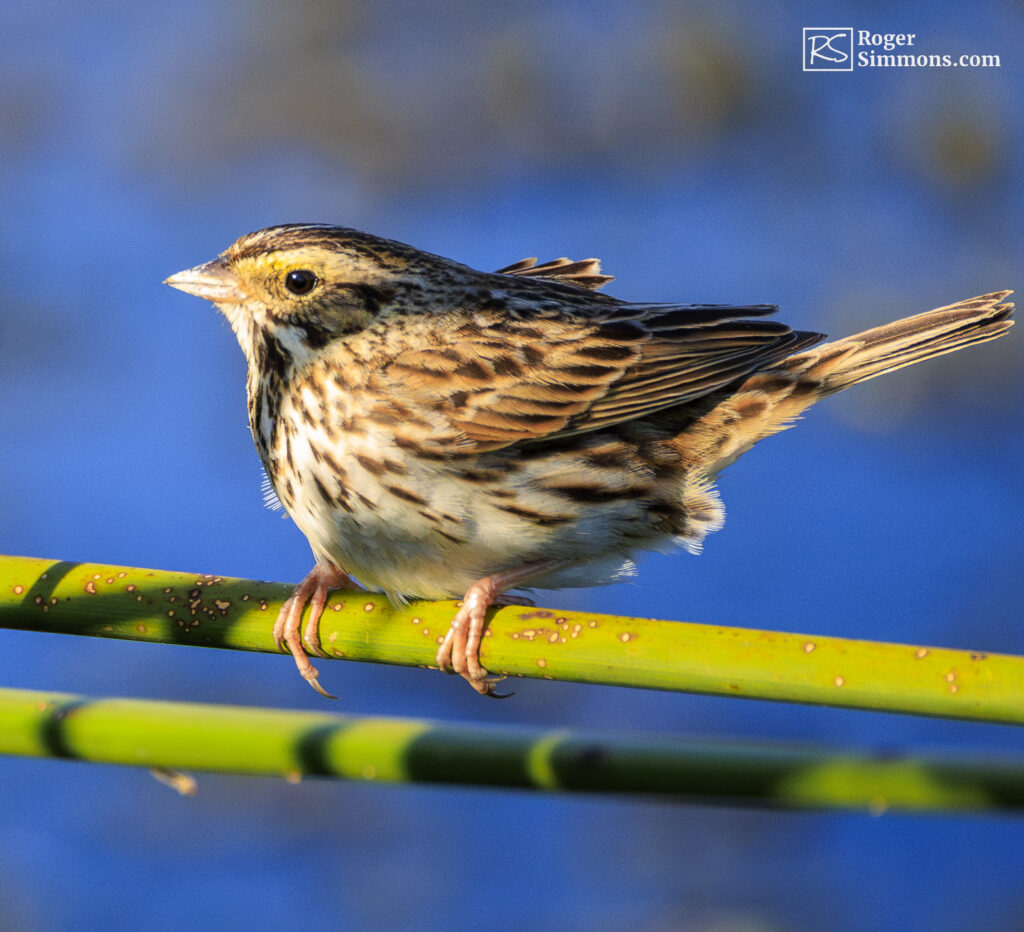
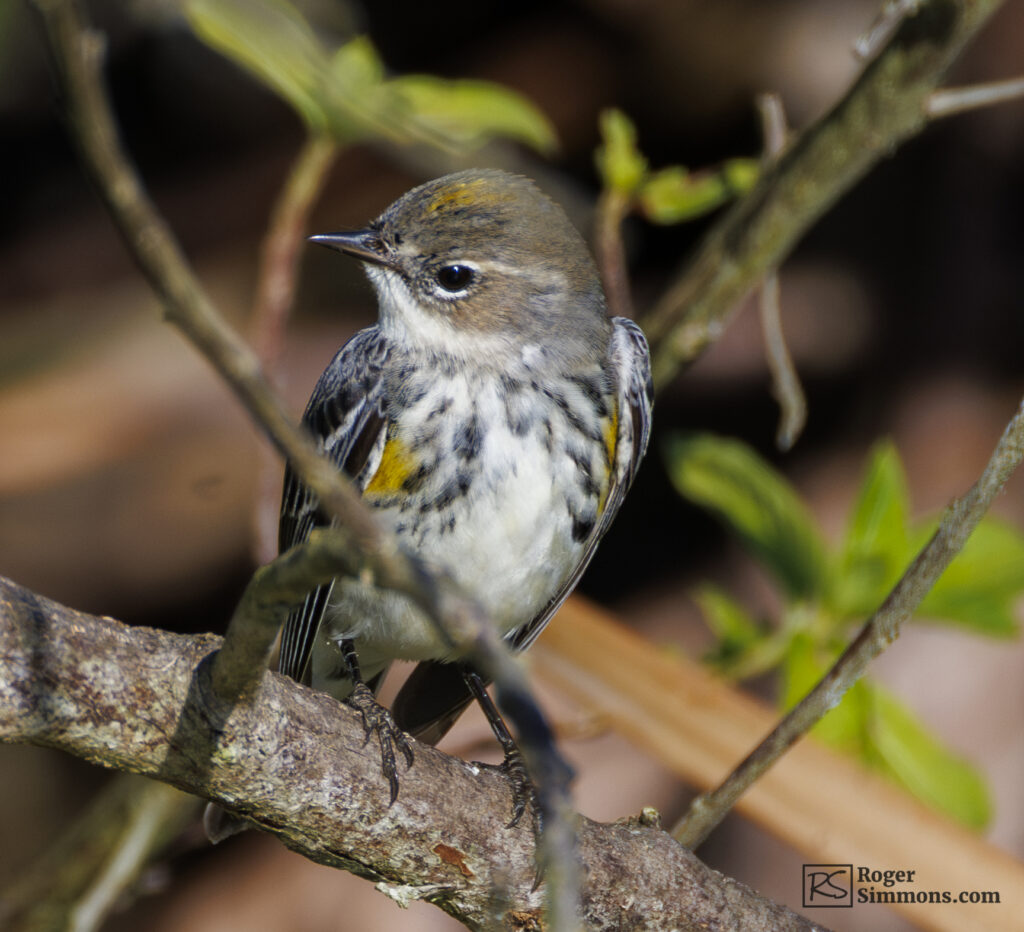
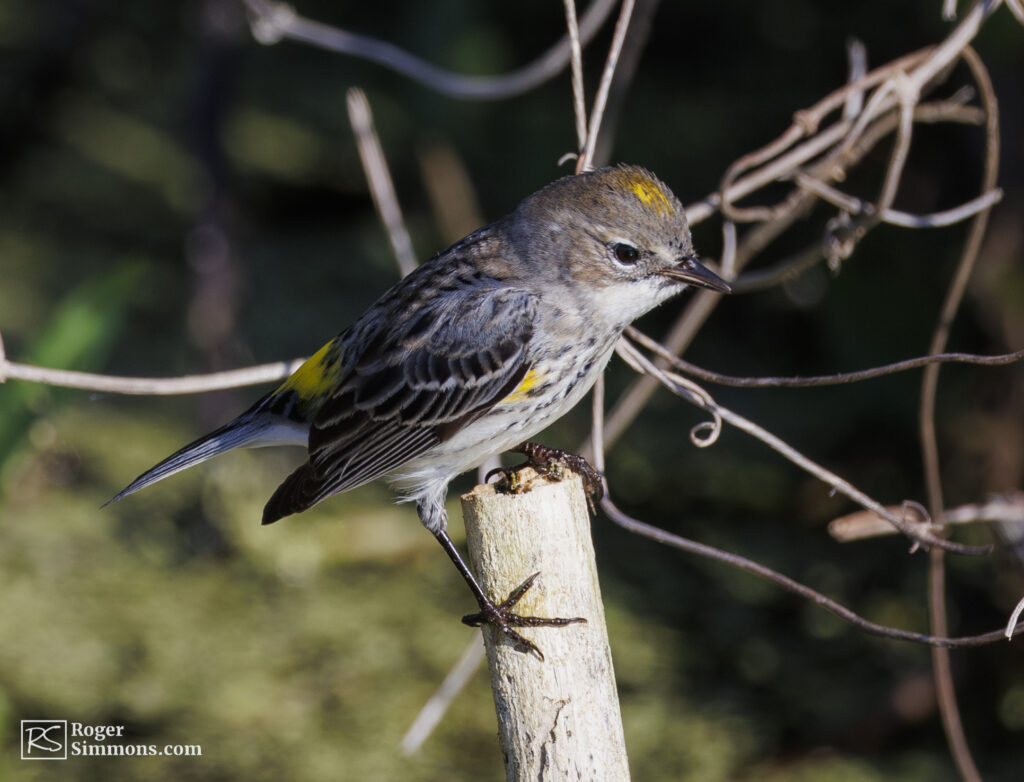
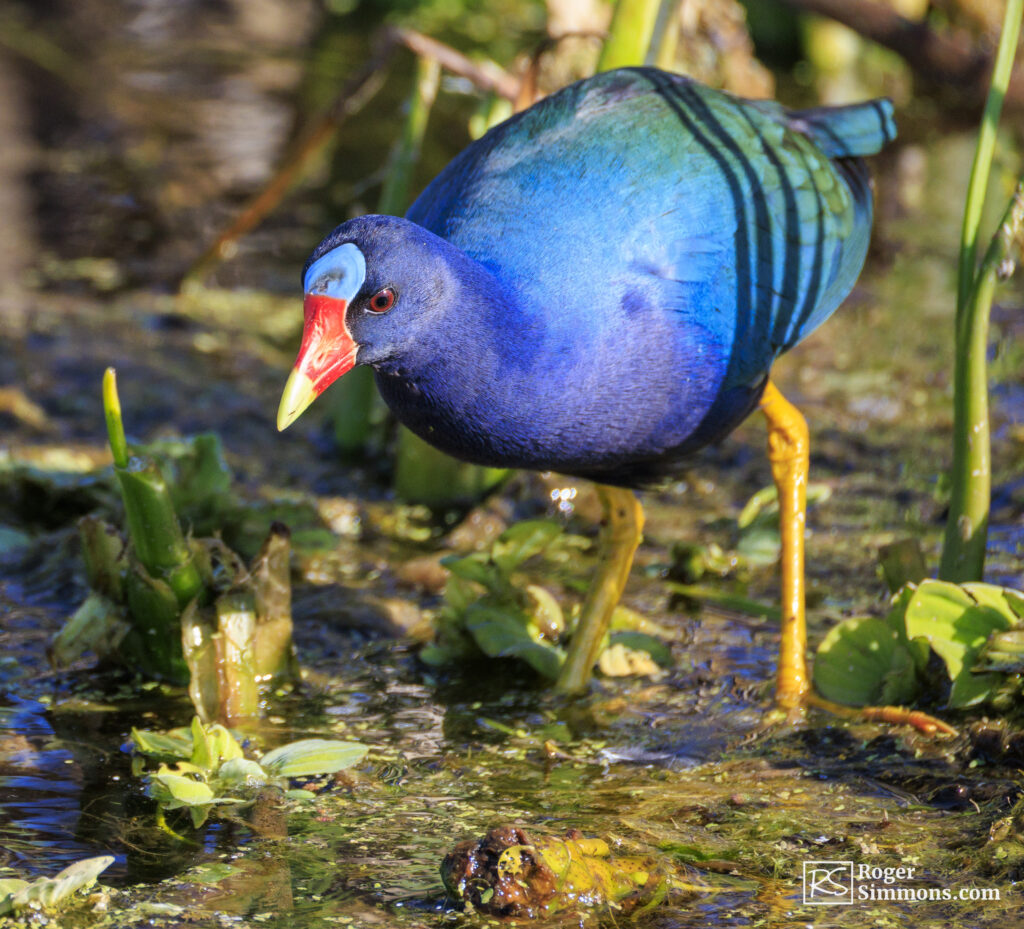
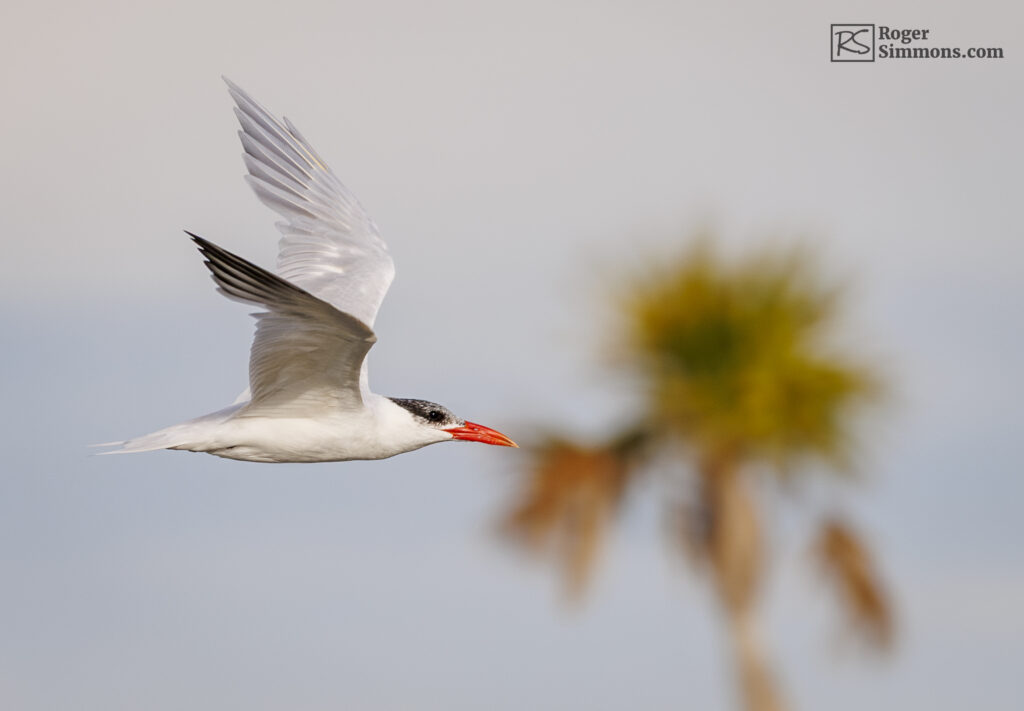
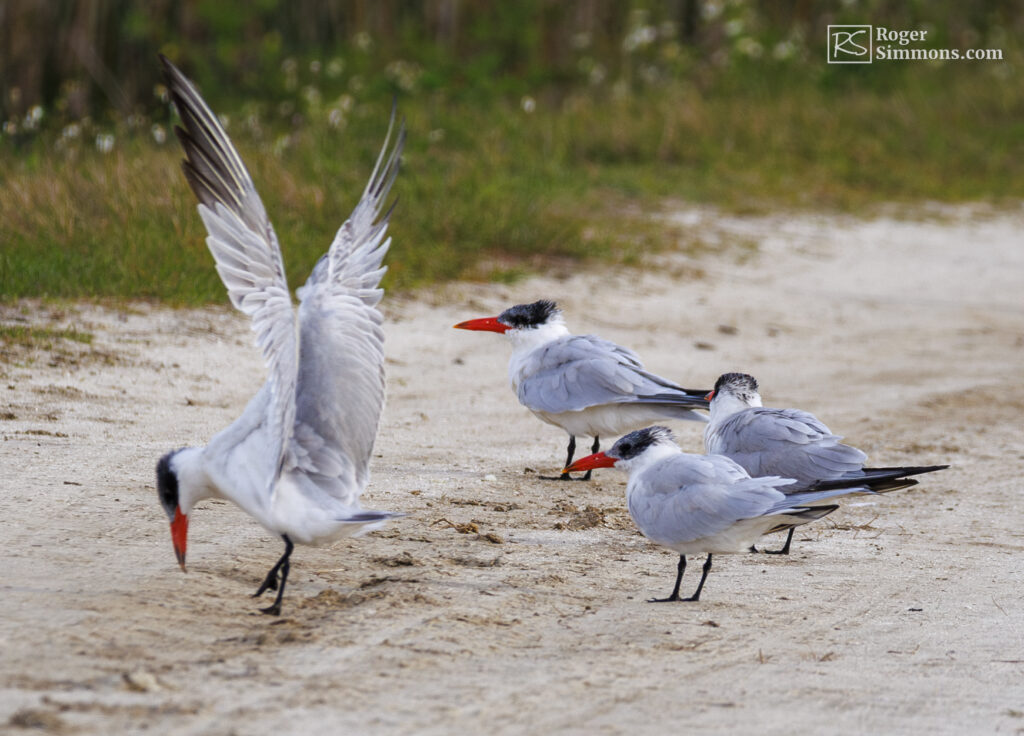
Here are a few of the “other” birds that make the Orlando Wetlands a birding treasury.
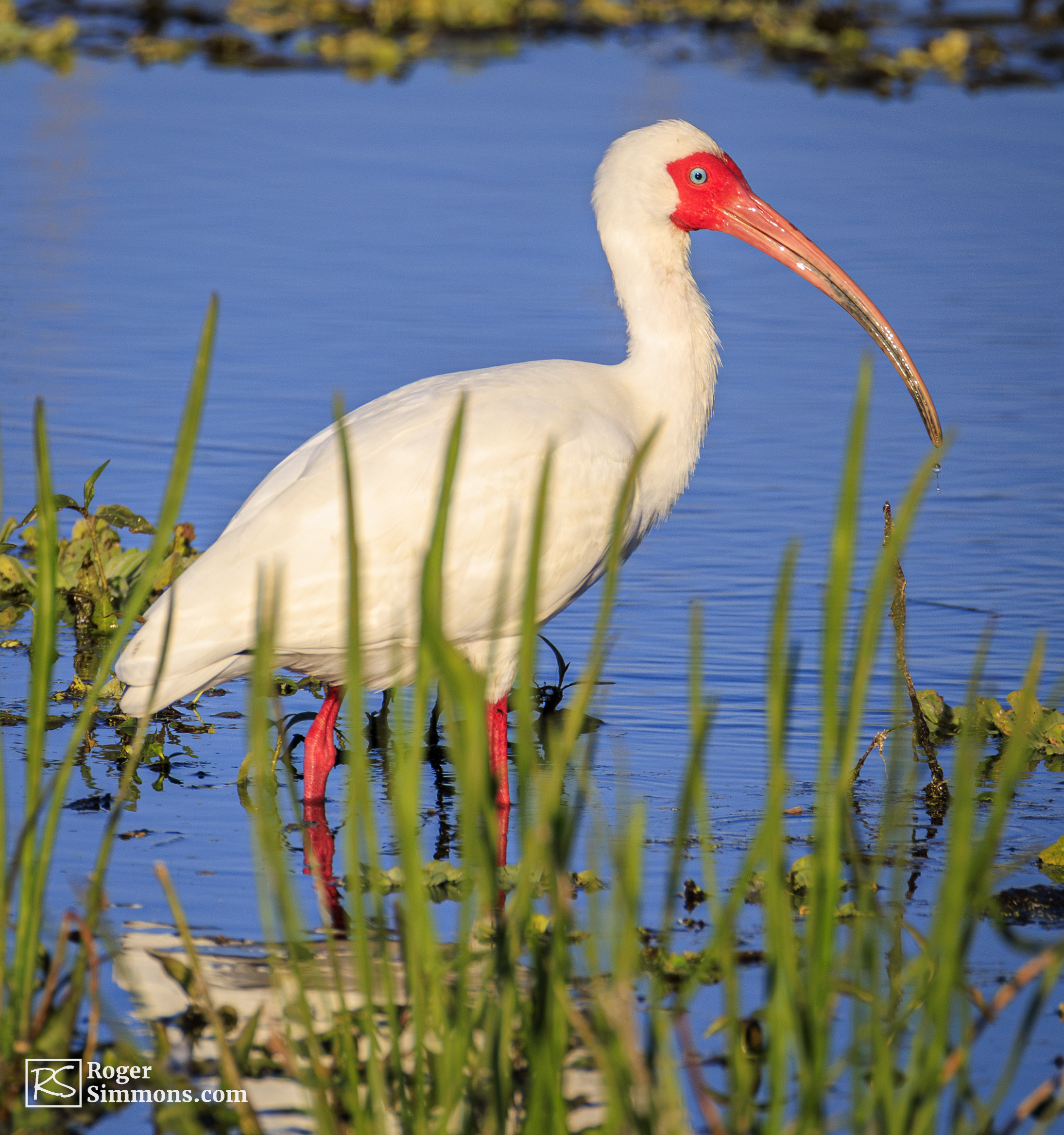
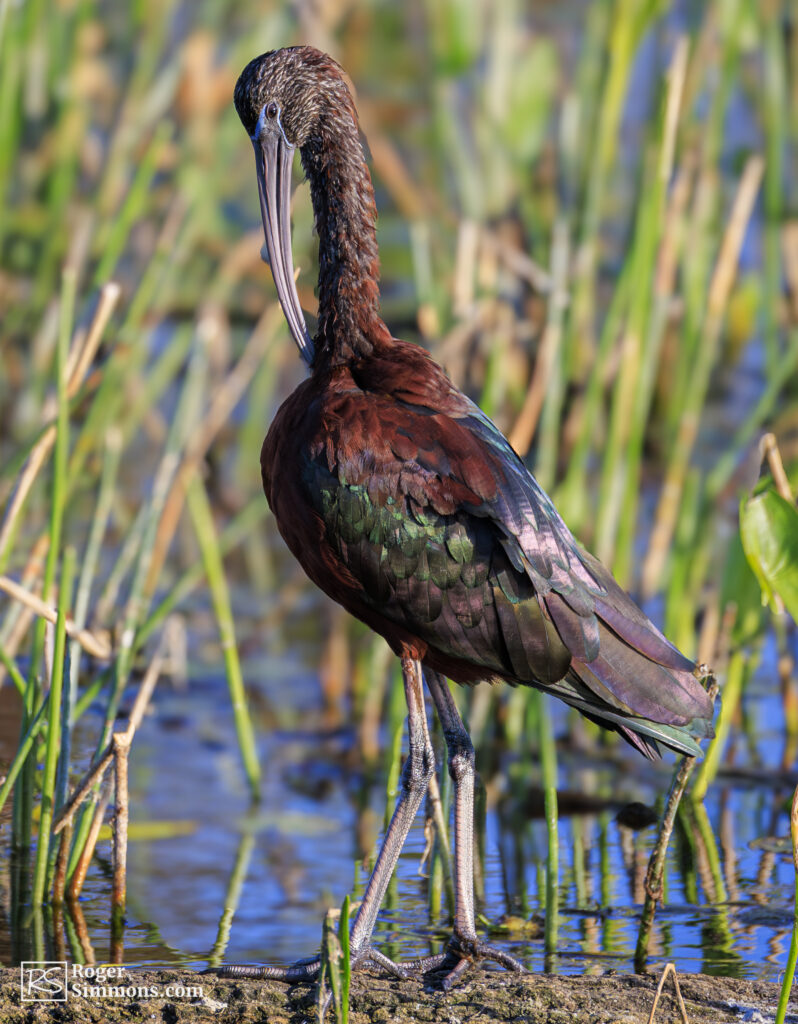
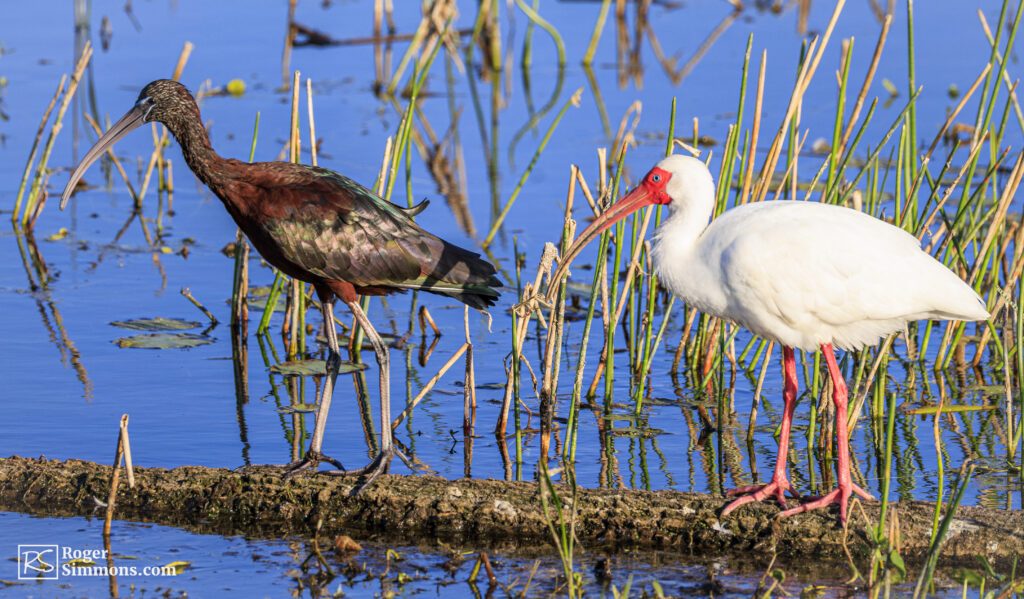
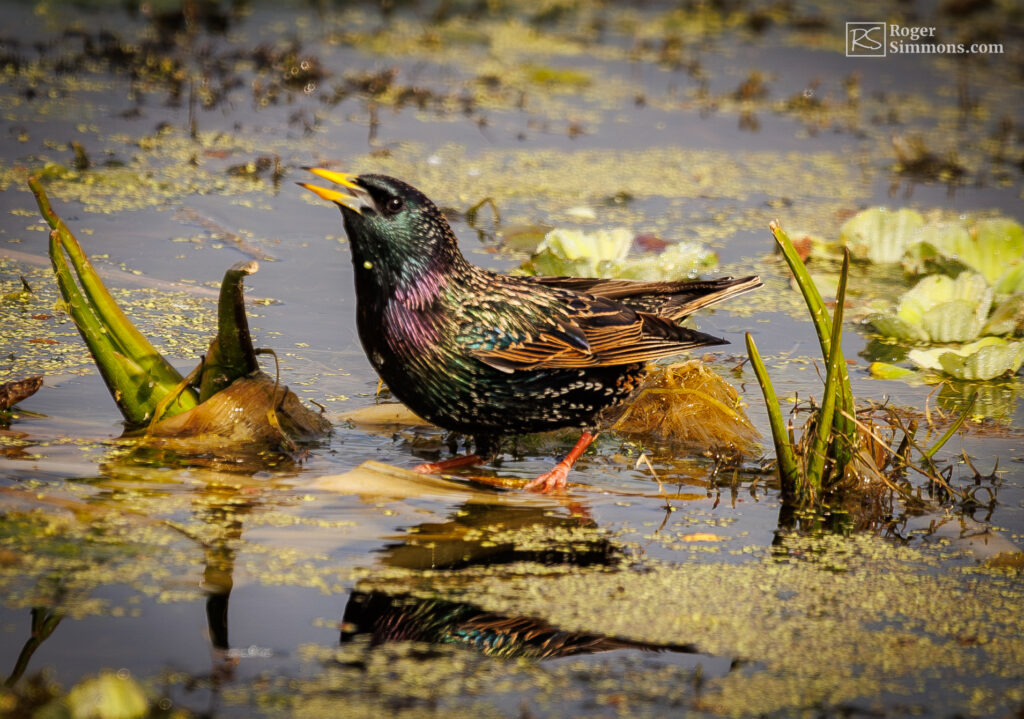
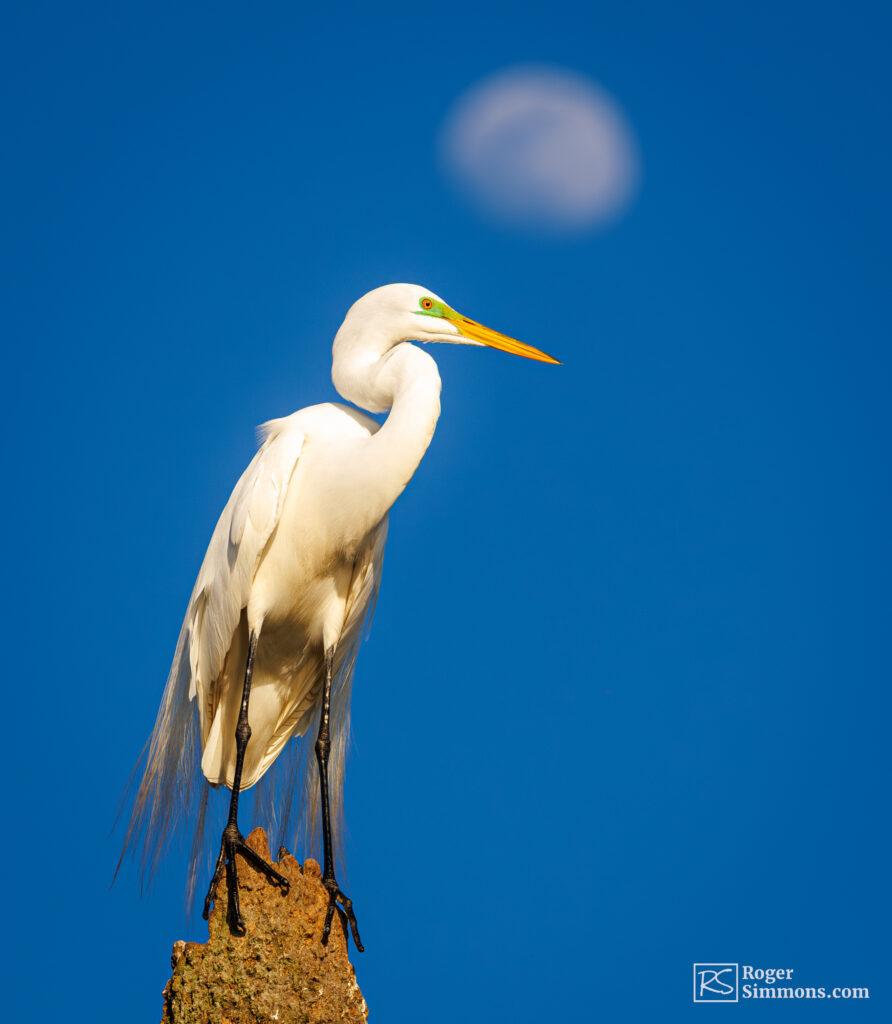
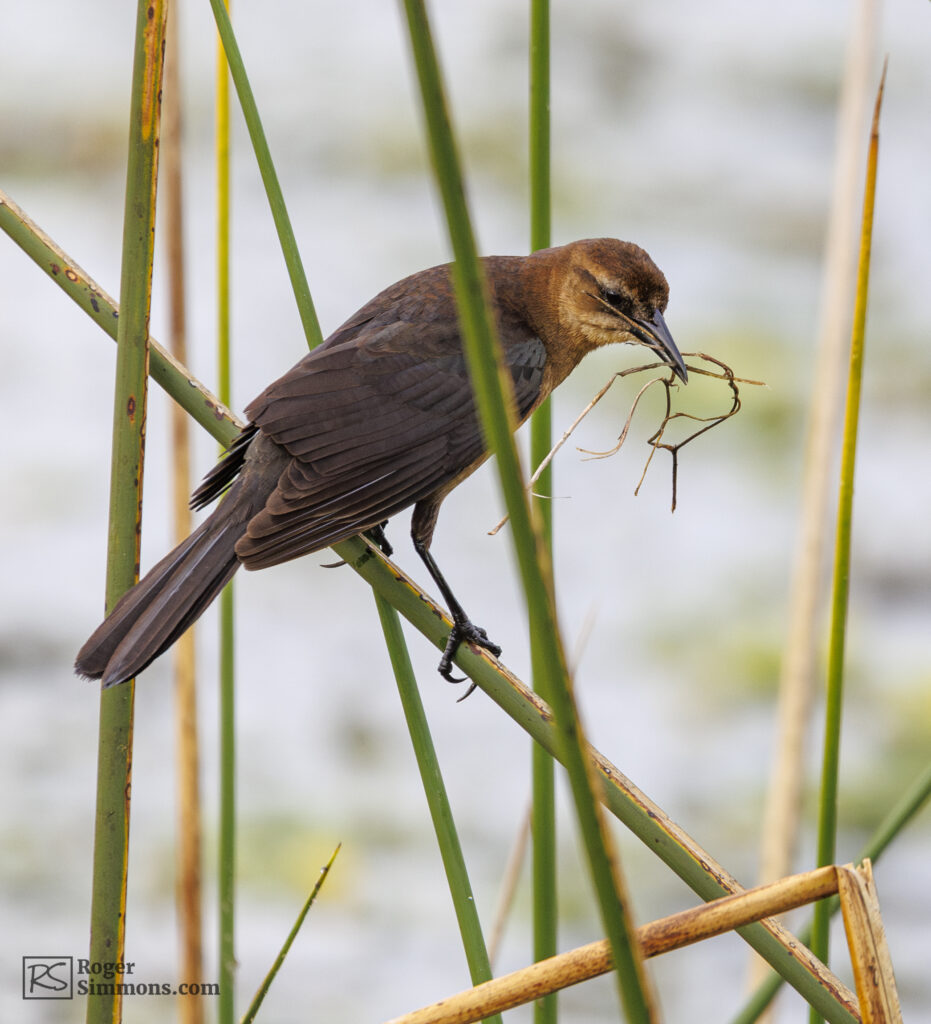
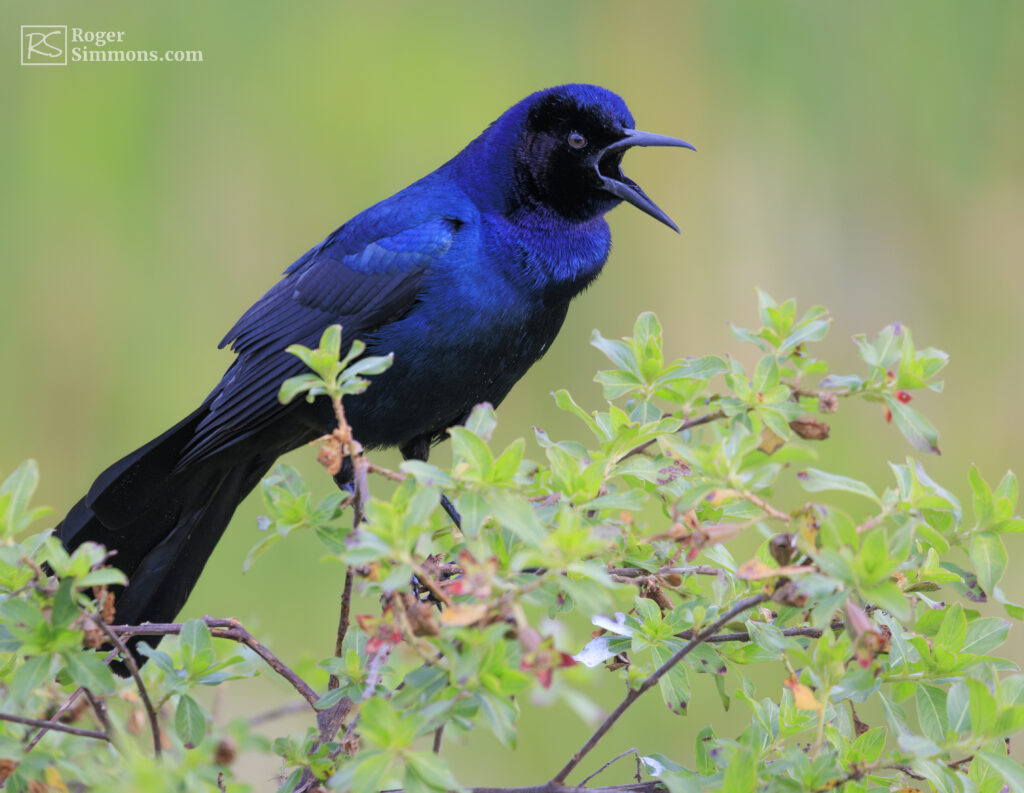
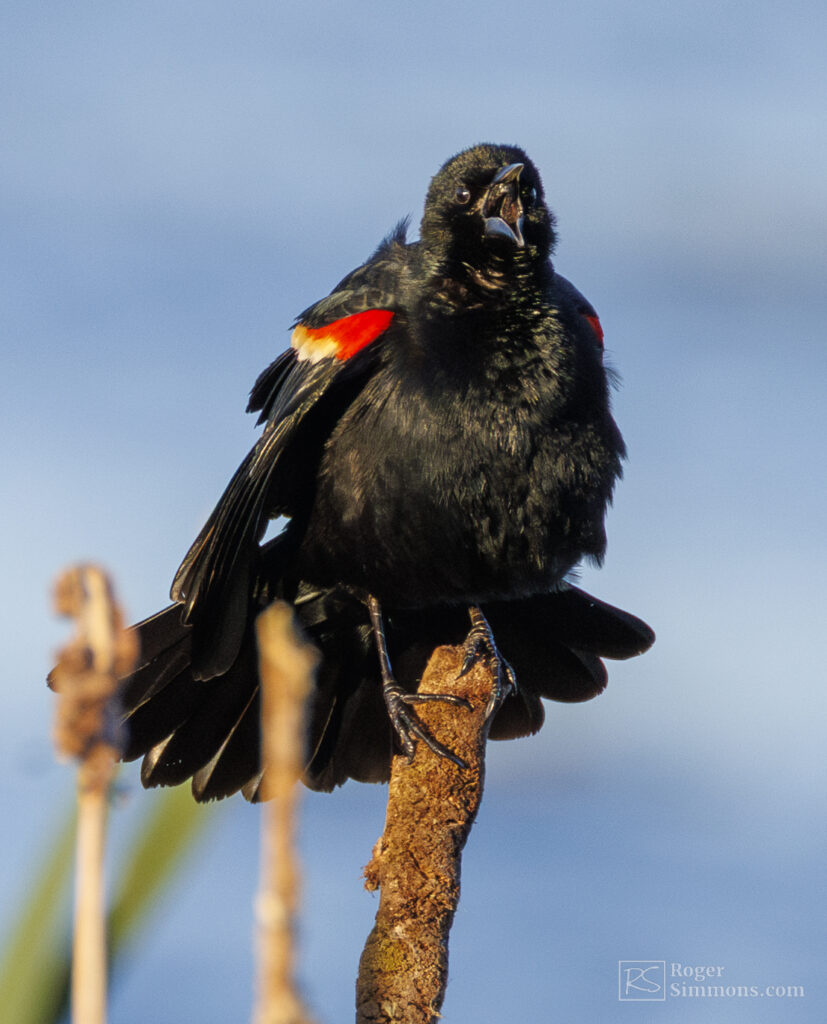
Glossy Ibis, Orlando Wetlands, March 2025.Glossy Ibis and White Ibis, Orlando Wetlands, March 2025.European Starling, Orlando Wetlands, February 2025.Great Egret, Orlando Wetlands, February 2025.Great Egret, Orlando Wetlands, February 2025.Female Boat-tailed Grackle gathering nesting material, Orlando Wetlands, March 2025.Male Boat-tailed Grackle, Orlando Wetlands, March 2025.Limpkin, Orlando Wetlands, March 2025.Limpkin, Orlando Wetlands, March 2025.American Bitten ties to blend in with its surroundings, Orlando Wetlands, March 2025.American Bitten, Orlando Wetlands, March 2025.Wood Stork, Orlando Wetlands, March 2025.Green Heron, Orlando Wetlands, March 2025.Black-crowned Night Heron at sunset, Orlando Wetlands, March 2025.Swamp Sparrow, Orlando Wetlands, March 2025.Savannah Sparrow, Orlando Wetlands, March 2025.Yellow-rumped Warbler, Orlando Wetlands, March 2025.Yellow-rumped Warbler, Orlando Wetlands, March 2025.Purple Gallinule, Orlando Wetlands, March 2025.Caspian Tern, Orlando Wetlands, March 2025.Caspian Terns, Orlando Wetlands, March 2025.Red-winged Blackbird, Orlando Wetlands, March 2025.Red-winged Blackbird, Orlando Wetlands, February 2024.