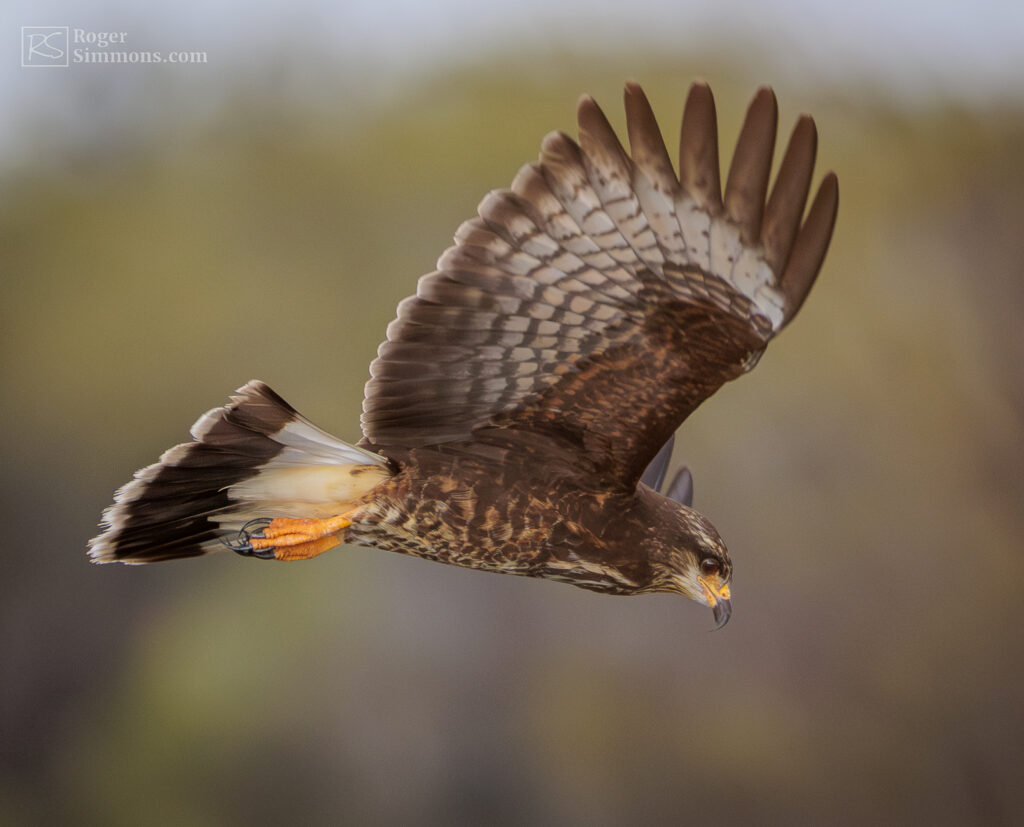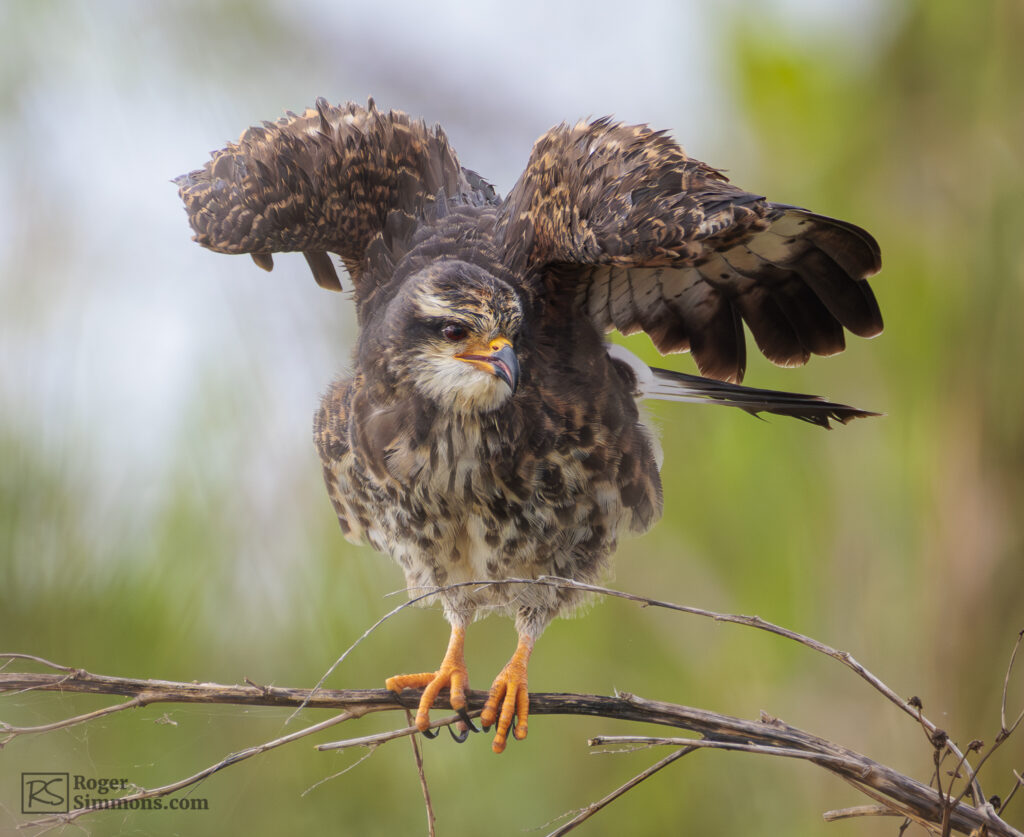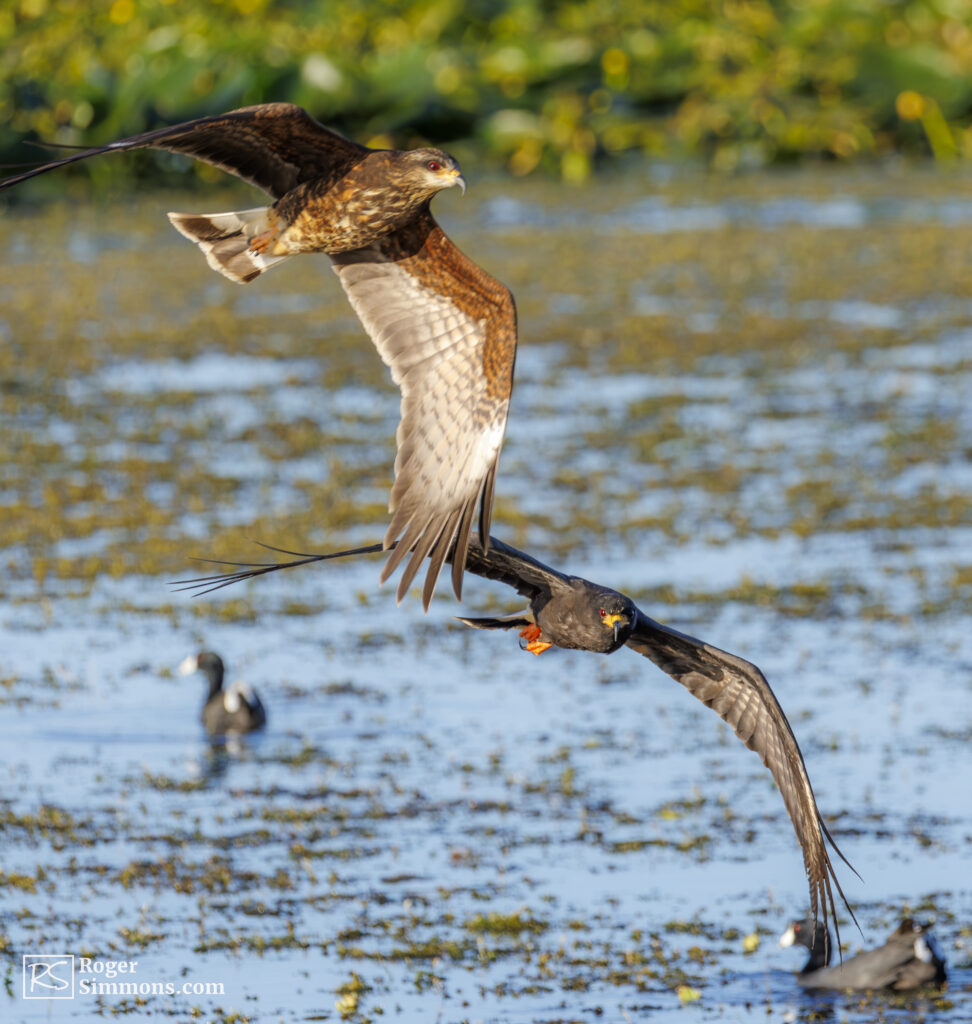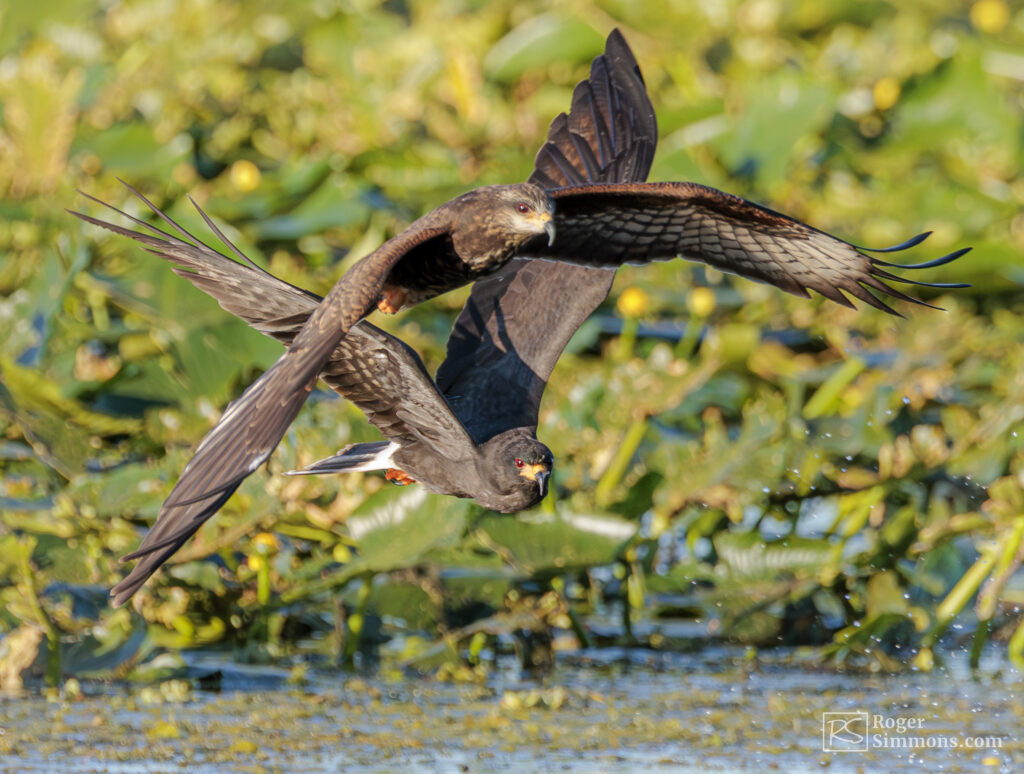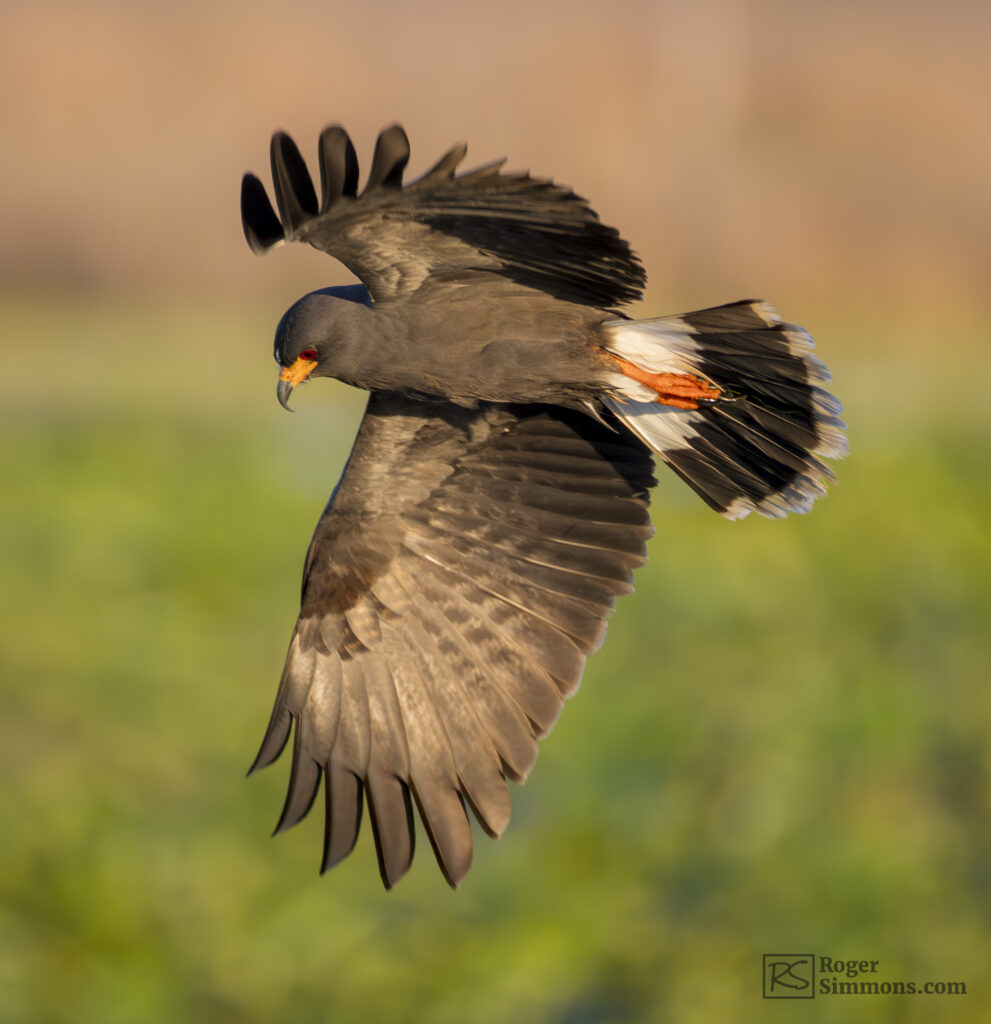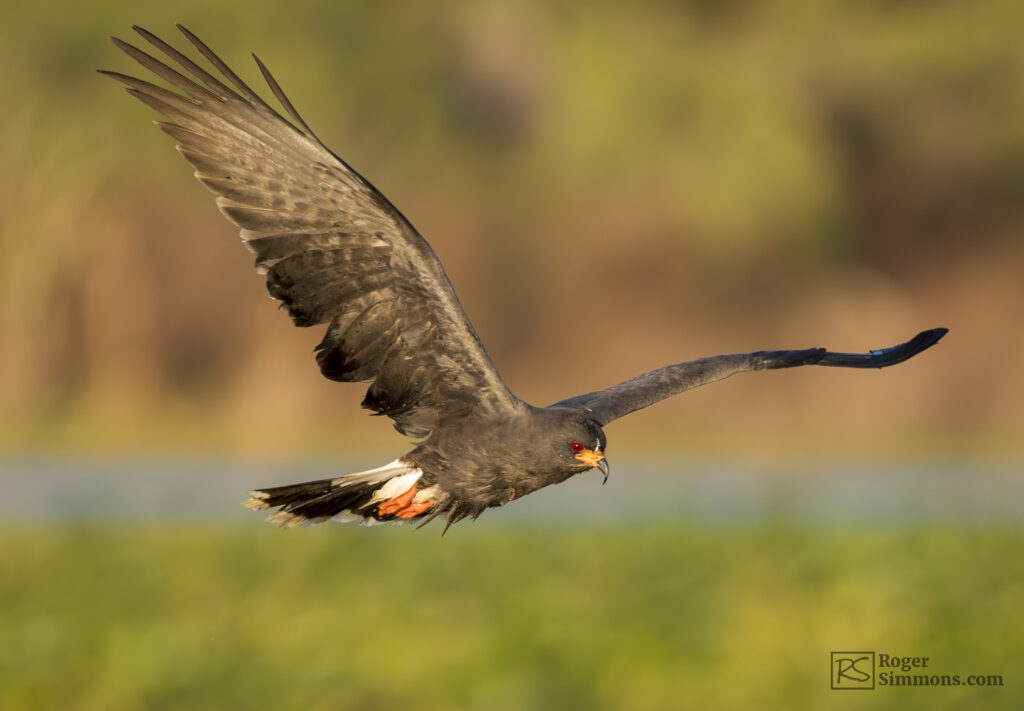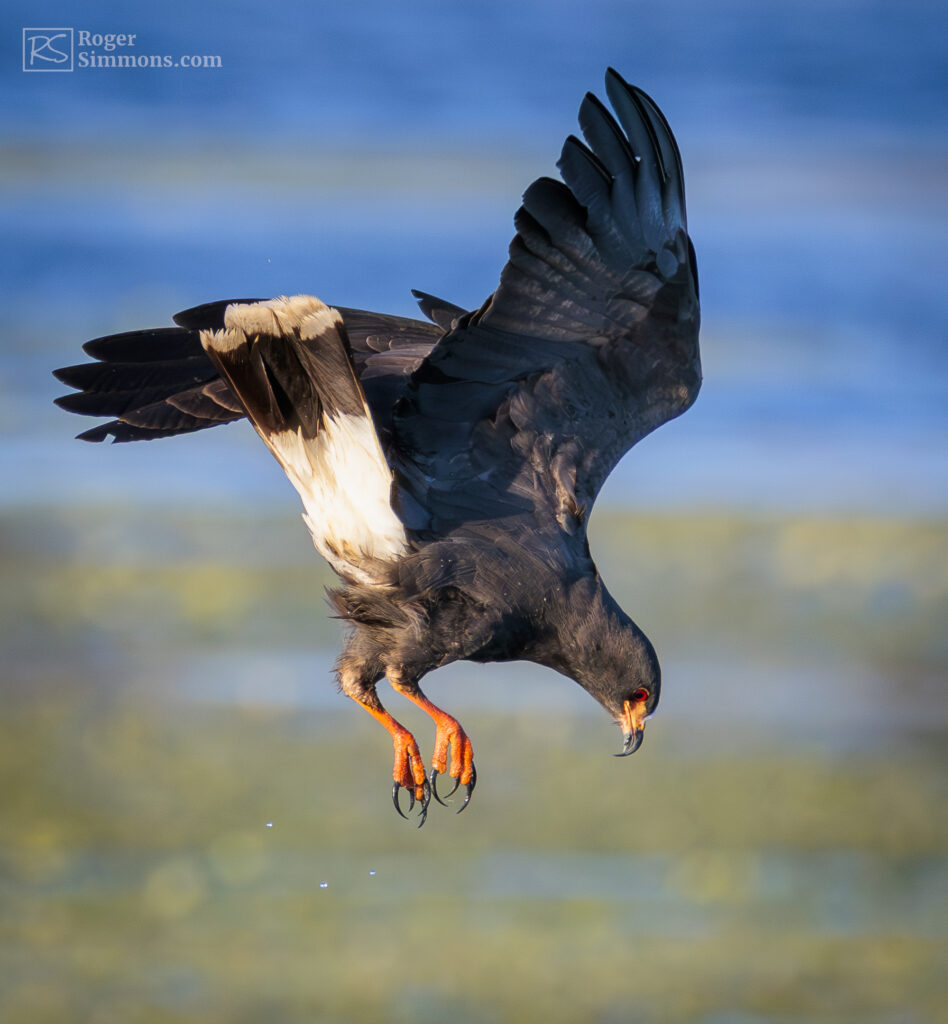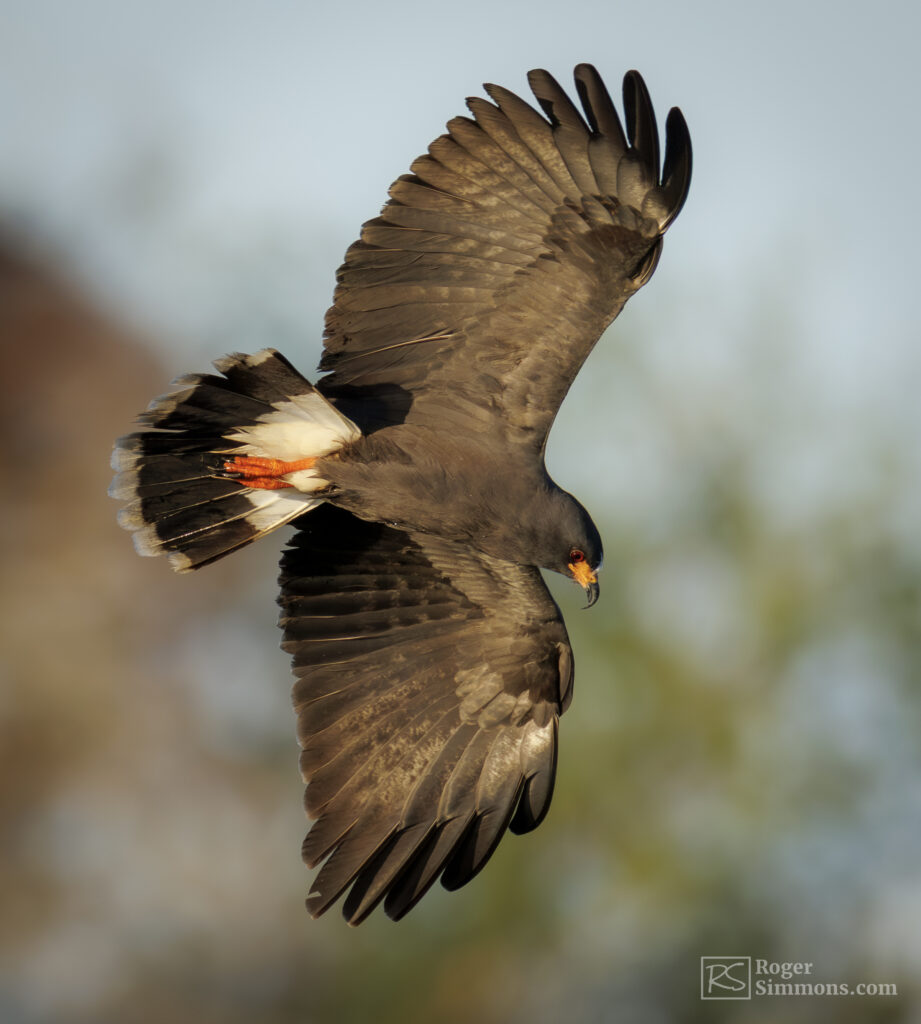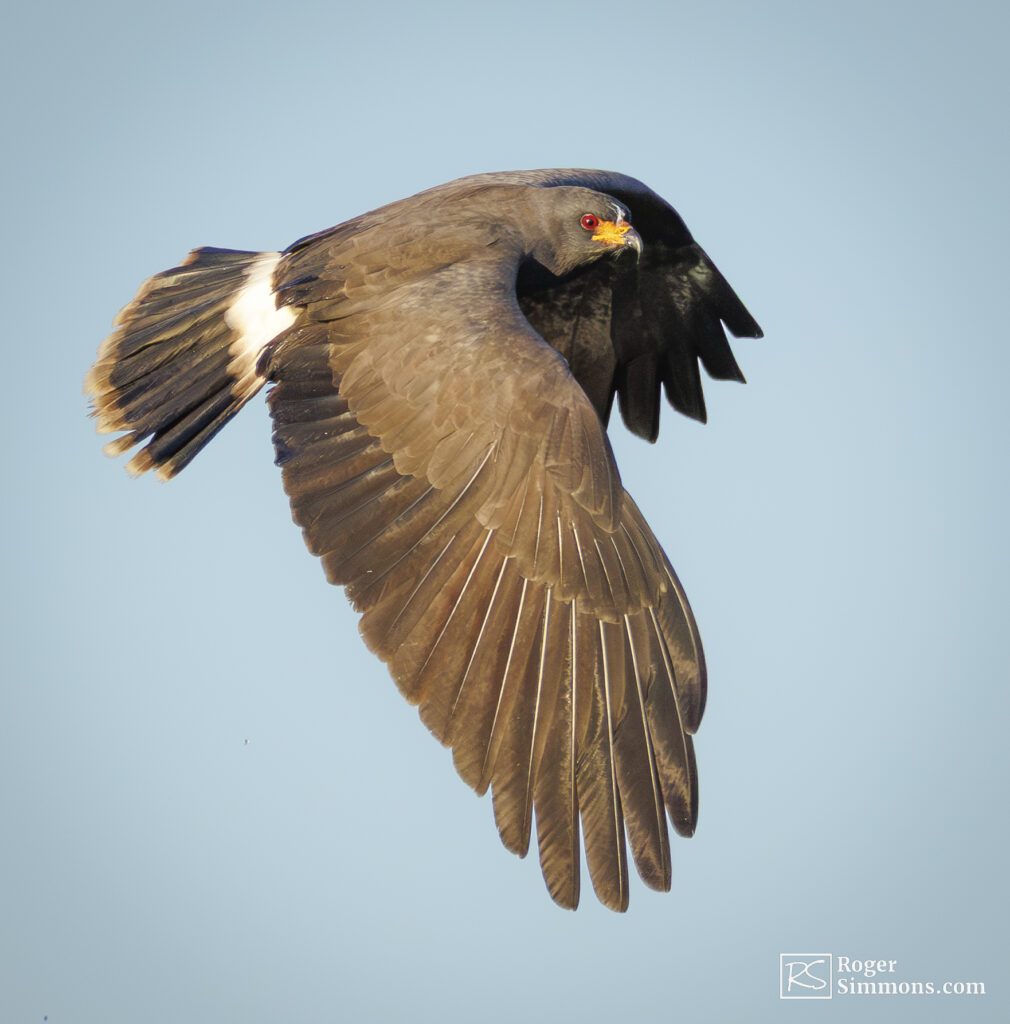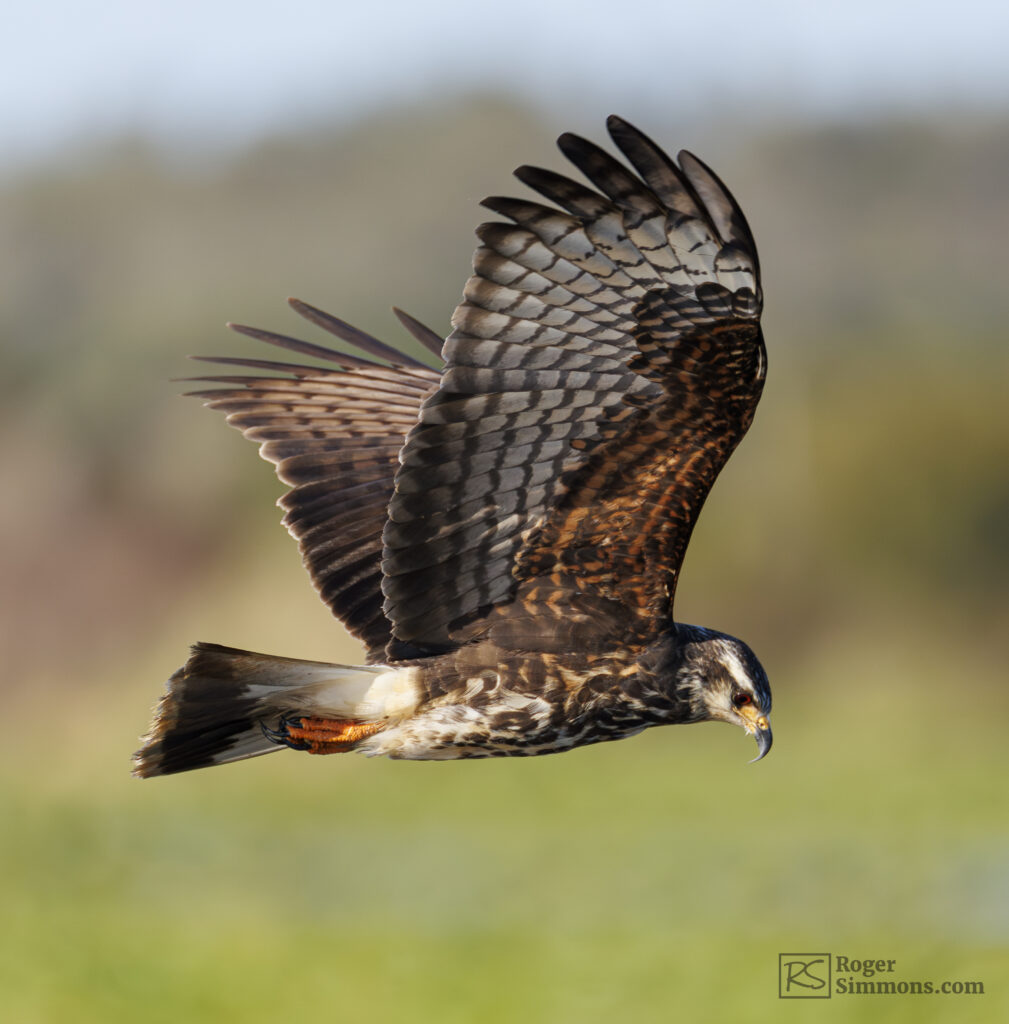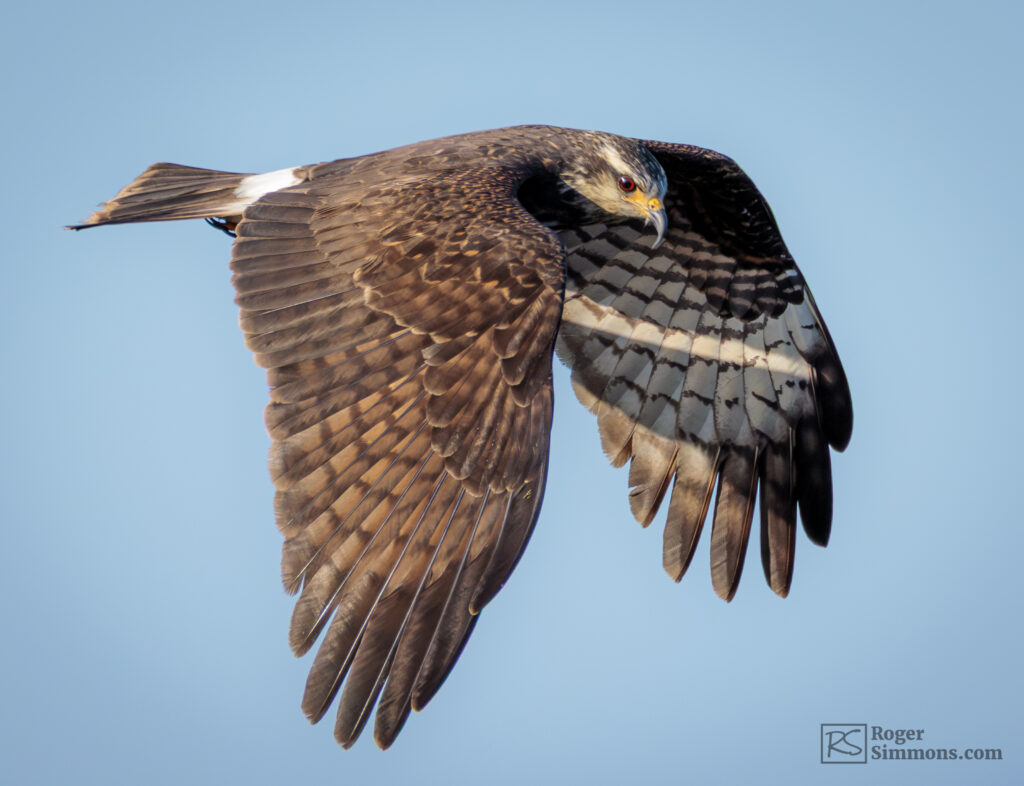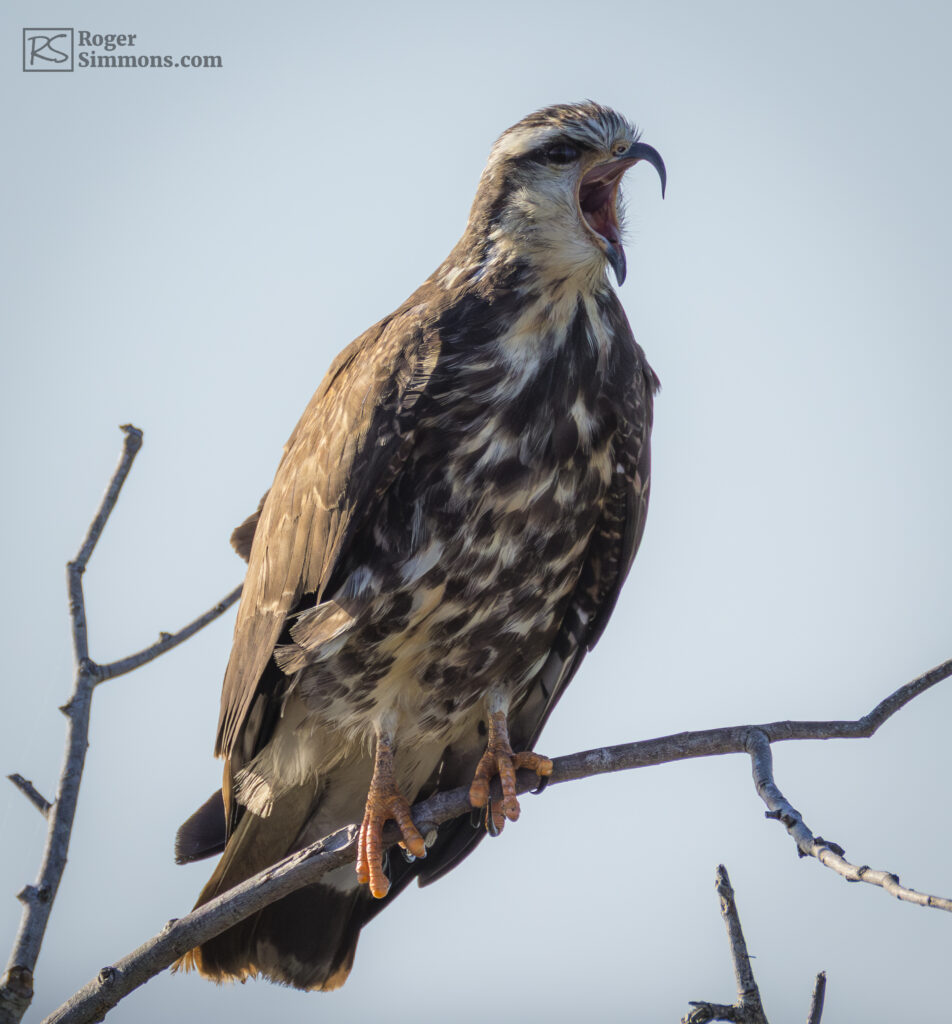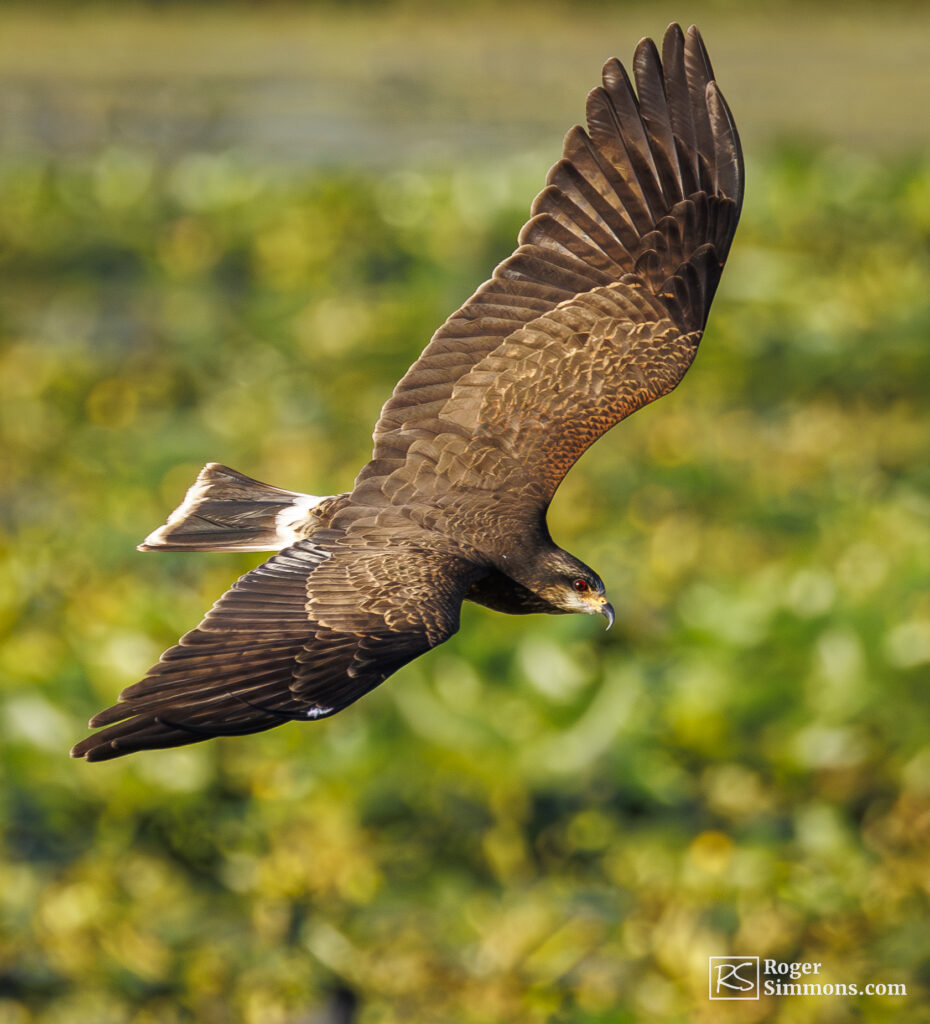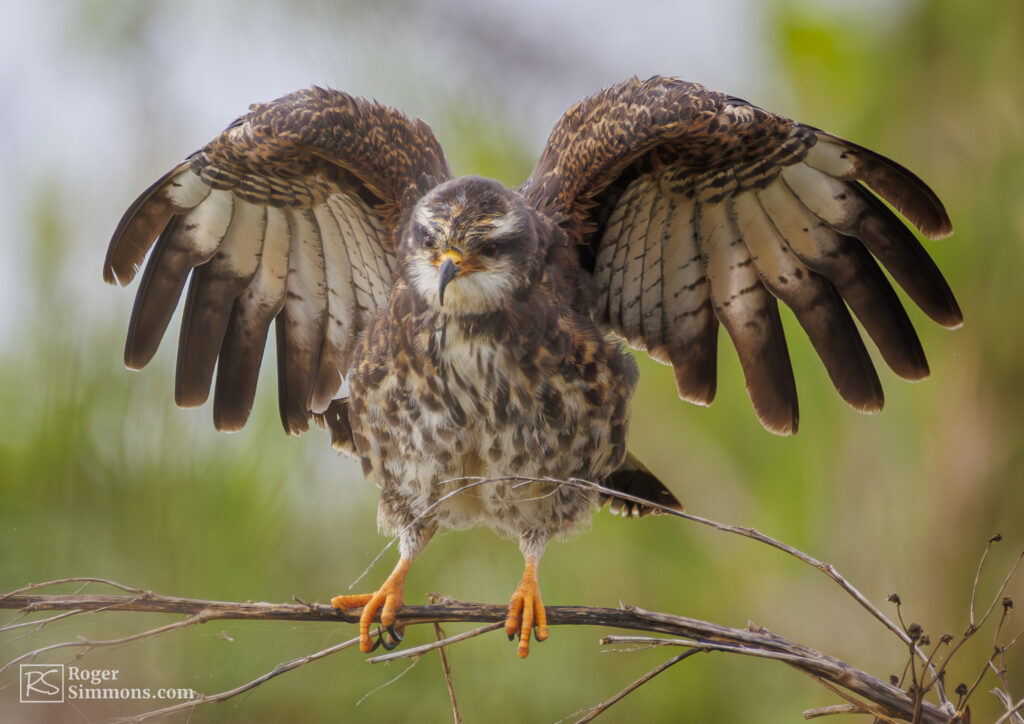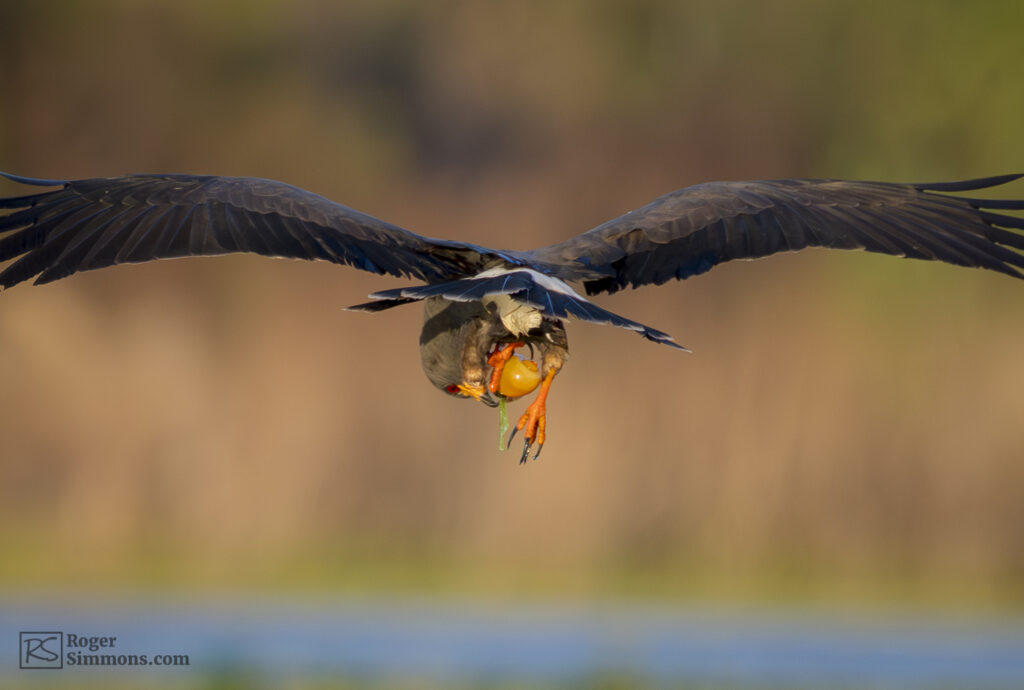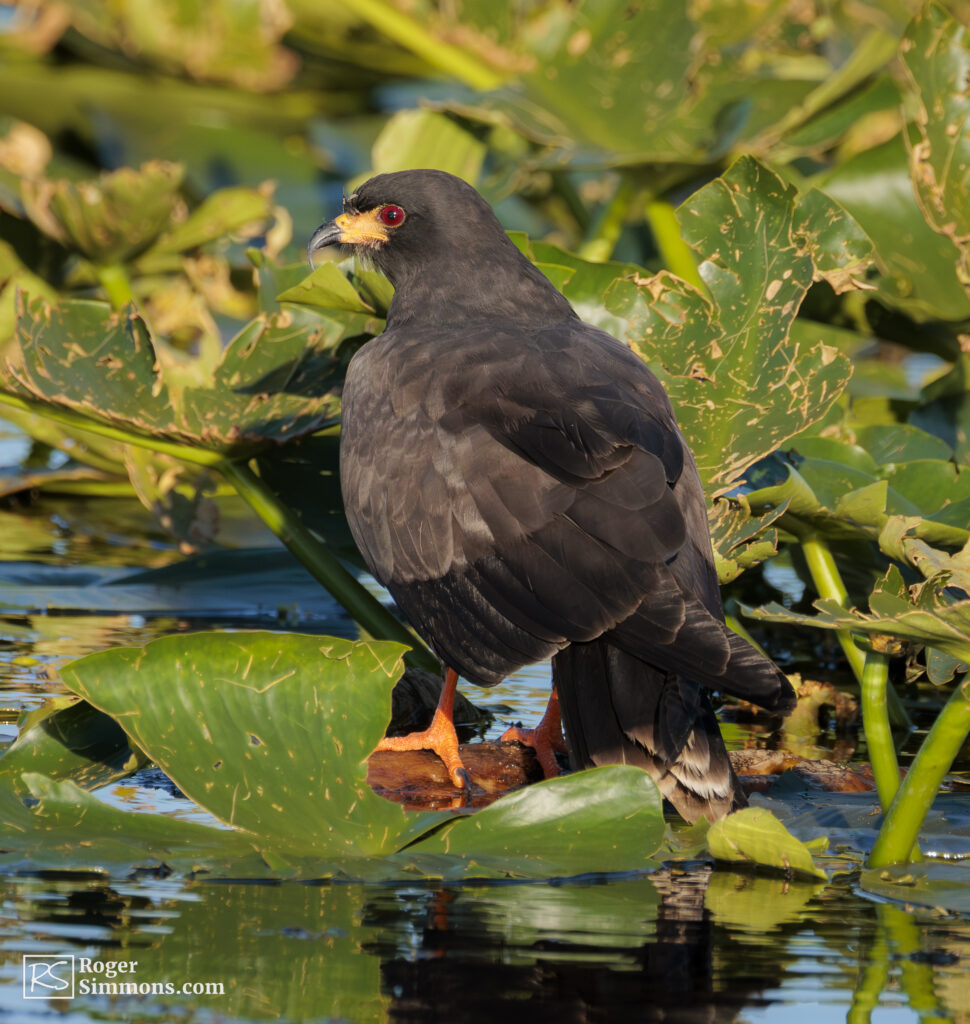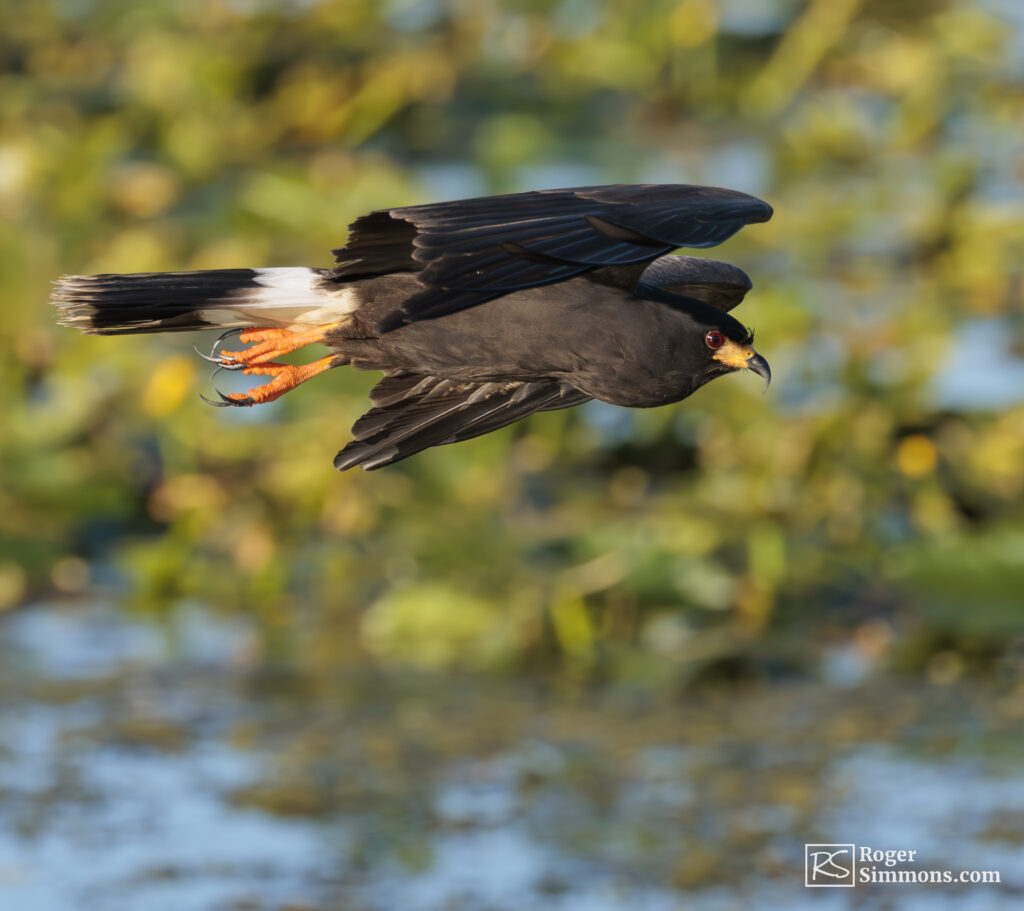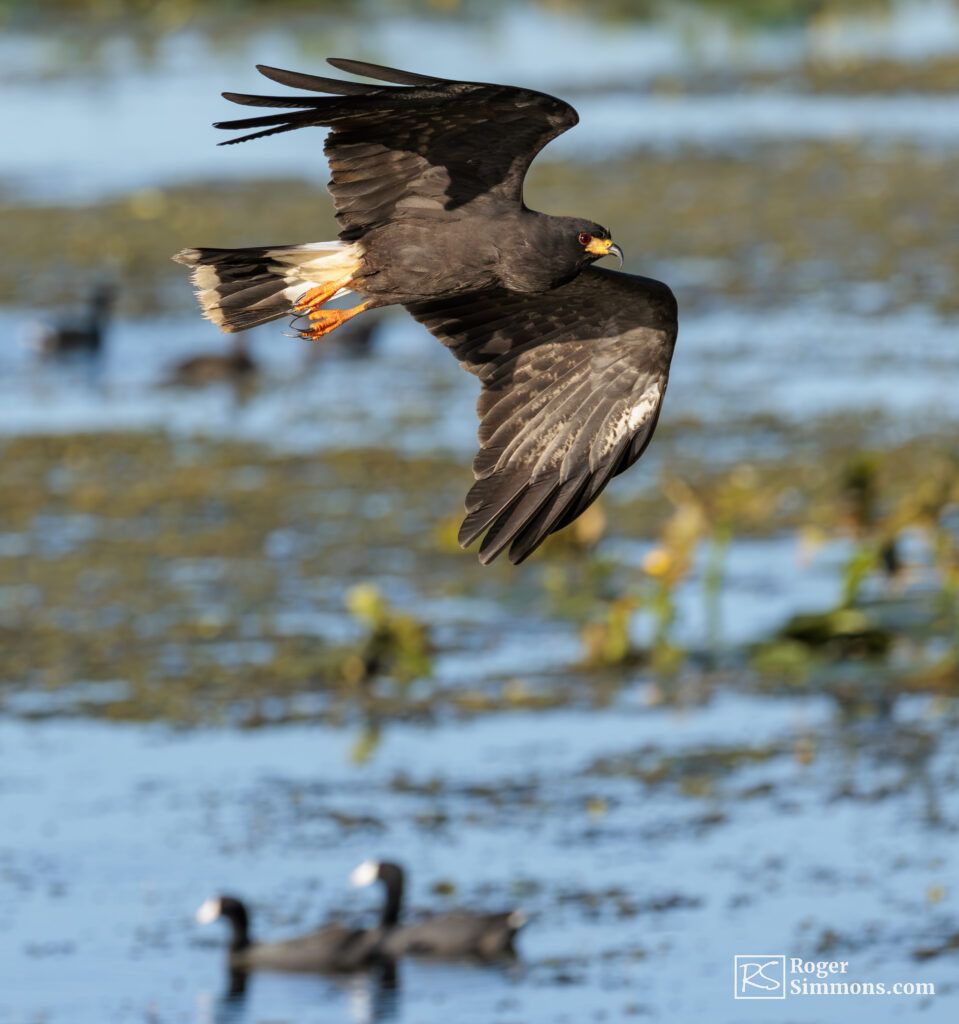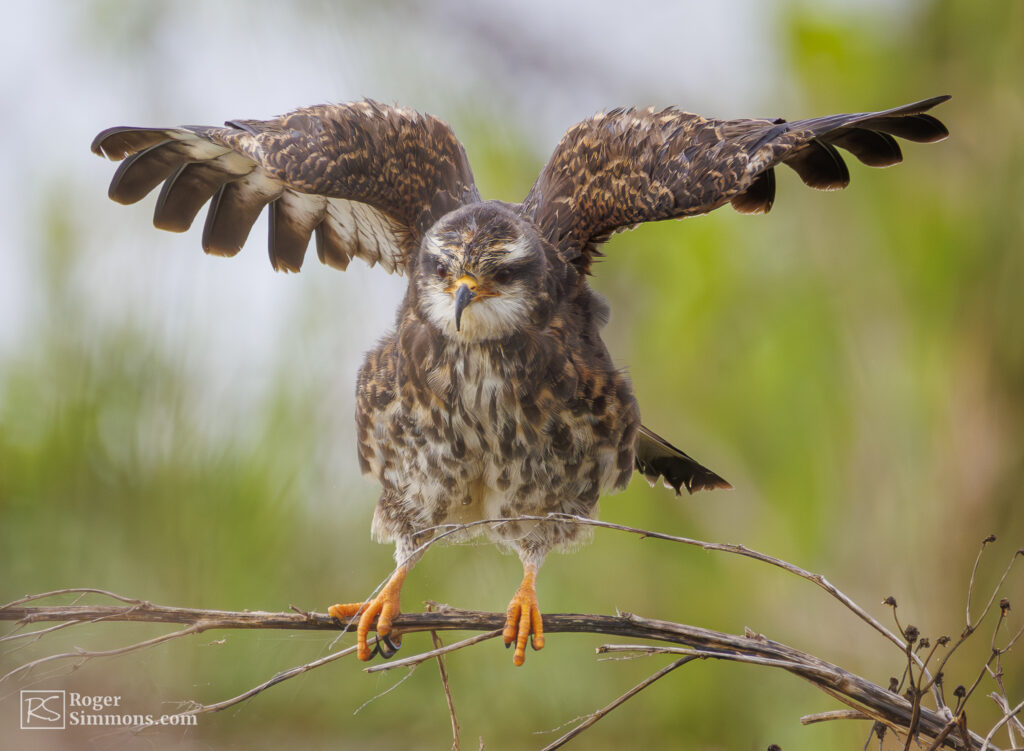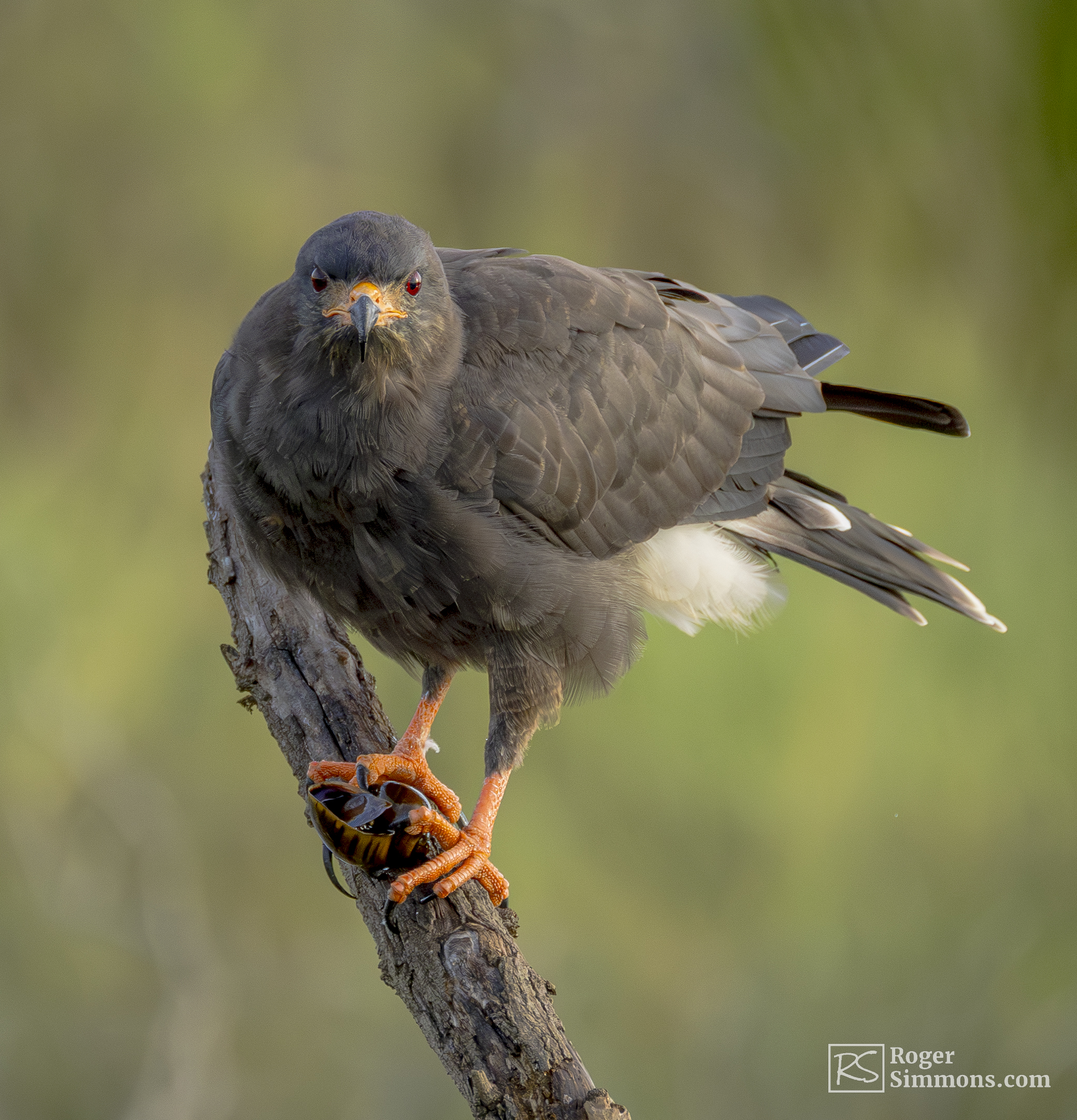
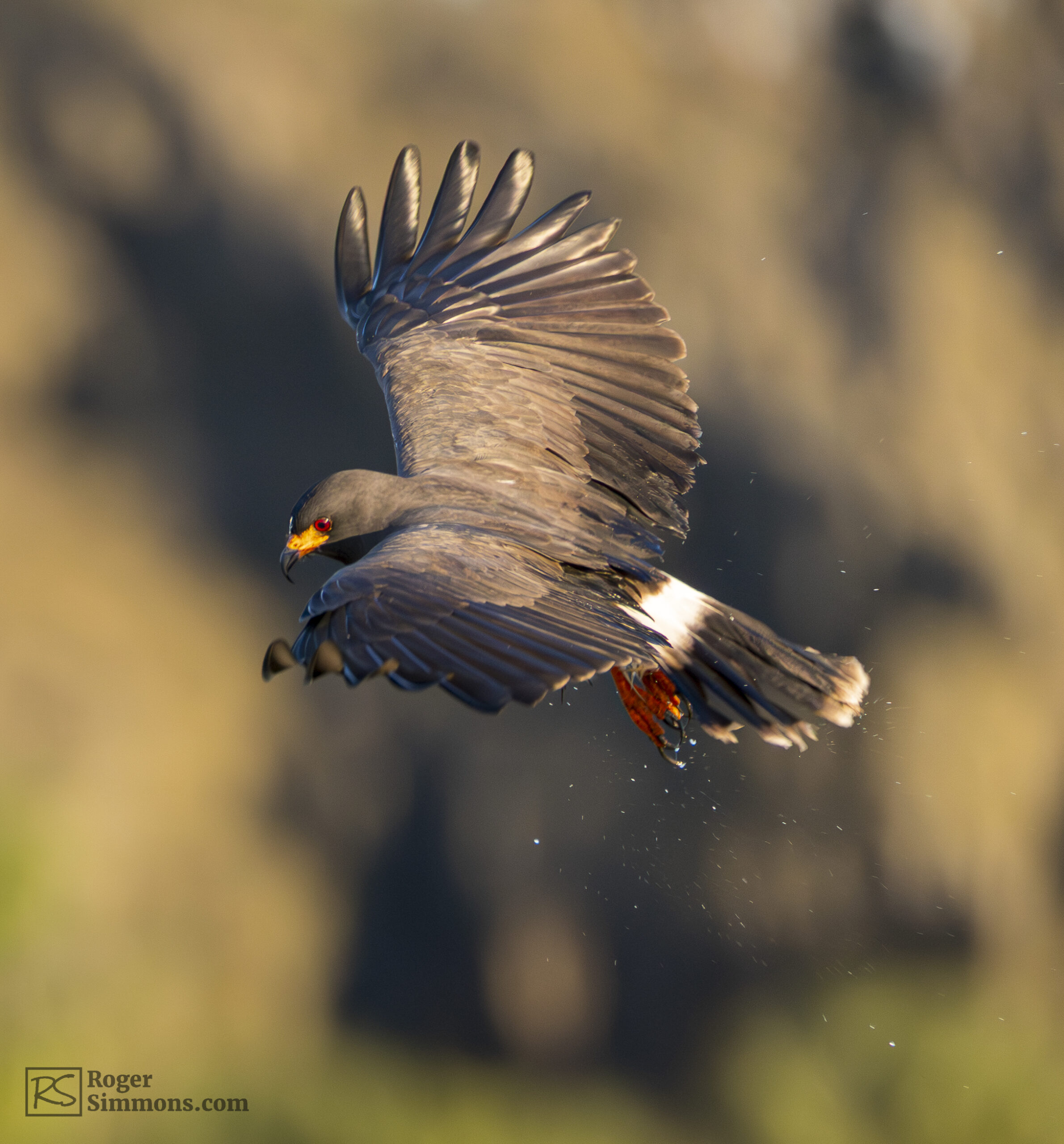

I’ve been photographing Snail Kites a lot lately and learning more about them. The news is not good, though.
“In 2025, Florida experienced an abnormally dry spring and the University of Florida reported only 30 successful Snail Kite nests in the entire state,” Audubon said in a report on the birds in January. “No successful nests came from the two largest historic kite nesting regions: the Everglades and Lake Okeechobee. The previous year also wrought a dry spring and poor nesting success. As a result, the population estimate for 2025 has dropped to about 2,000 kites total. The 2026 population estimate is expected to be even lower.”
Snail Kites live in Central and South America and the Caribbean, but in the U.S. they’re only found in Florida. The Everglades and the wetlands that feed it are their primary environment, and apple snails are their main diet.
The birds’ “highly specialized diet, restricted range, and human changes to historic water flow in the Everglades combined to land the Kite on the federal endangered species list in 1967,”Audubon.noted. Native apple snails have been pushed out by invasive ones, but the Kites evolved so they could eat the larger, non-native snails. But when there is a drought, the snail supply — native and non-native — is impacted, and so are the Kites.
So I feel fortunate to be able to take pictures of these endangered birds whenever and wherever I can. I have found a place in Lake County called Emeralda Marsh where a small group of Kites hang out. Hopefully they can hang on, too.