It was typical 2024 Florida winter weather when I visited Merritt Island National Wildlife Refuge on Saturday, Jan. 27. It was sunny, then cloudy, then rainy, then cloudy, then sunny, etc. Rinse and repeat, as they say.
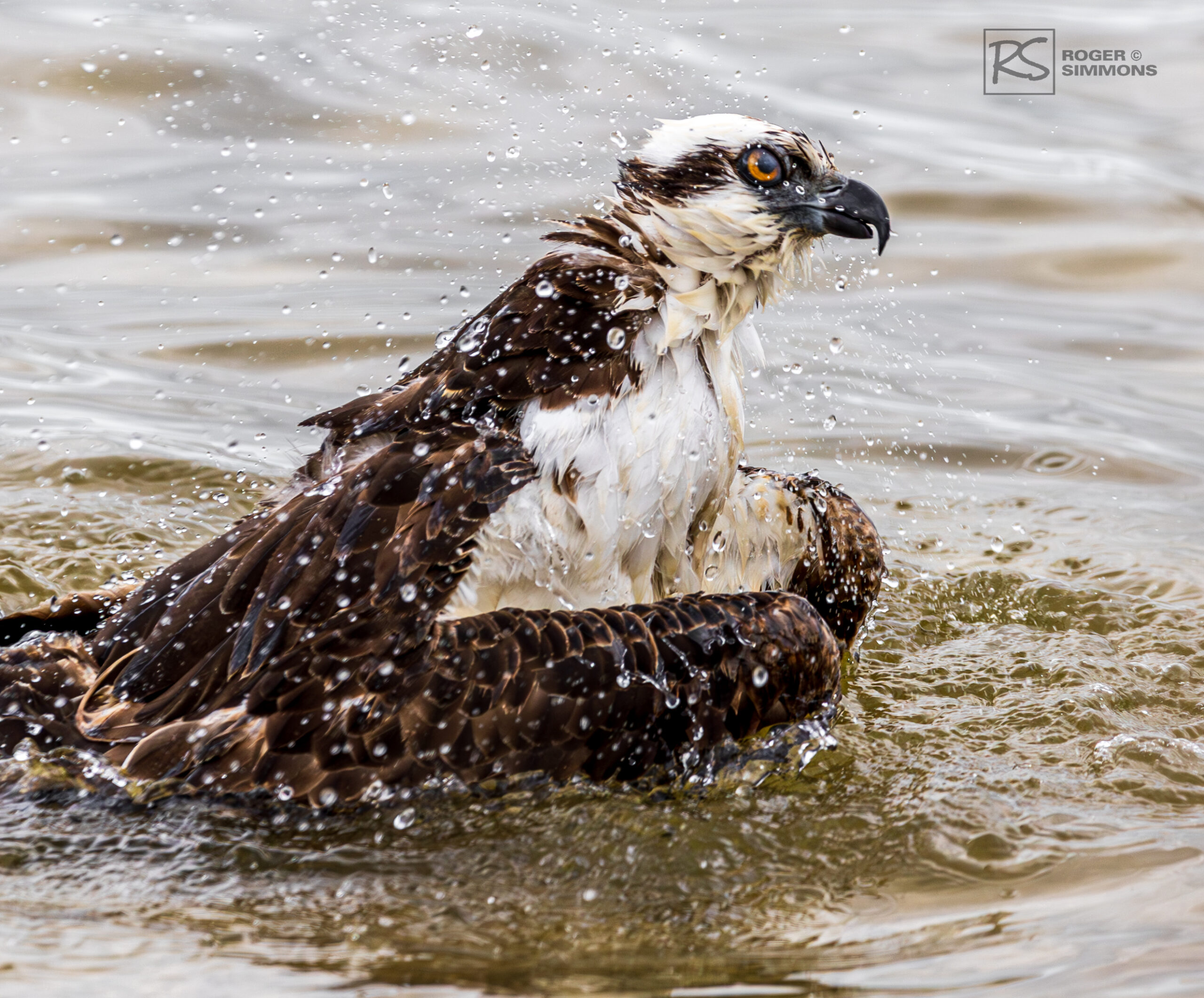
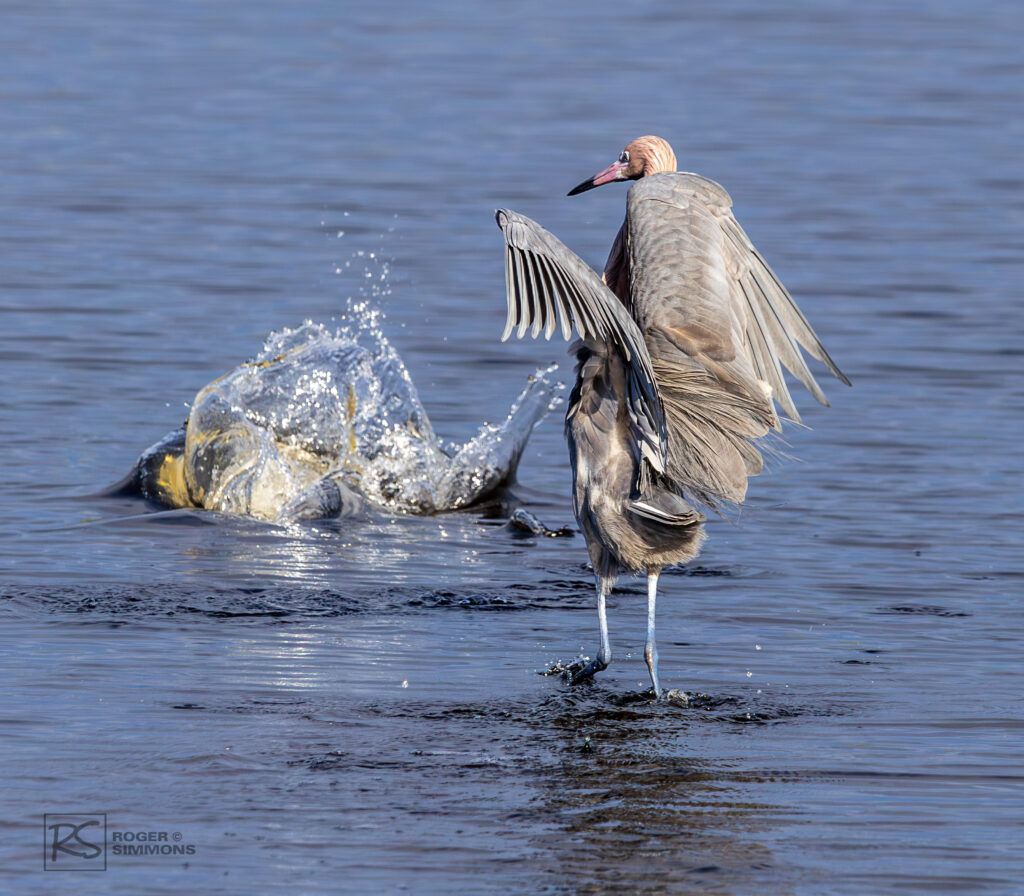
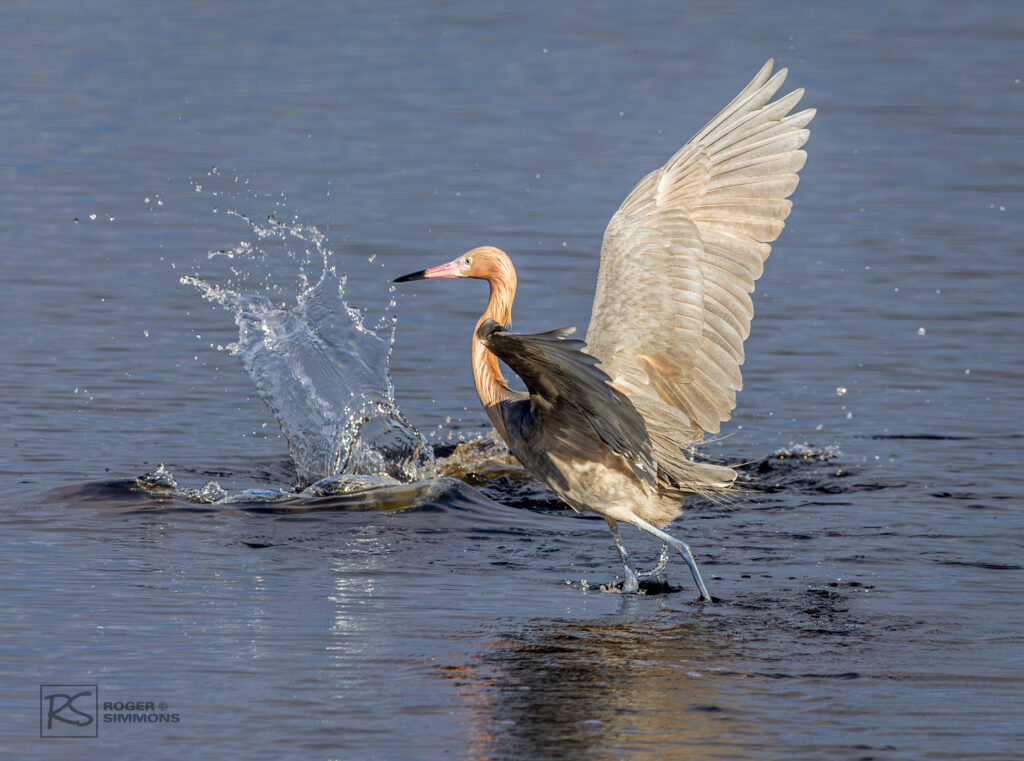
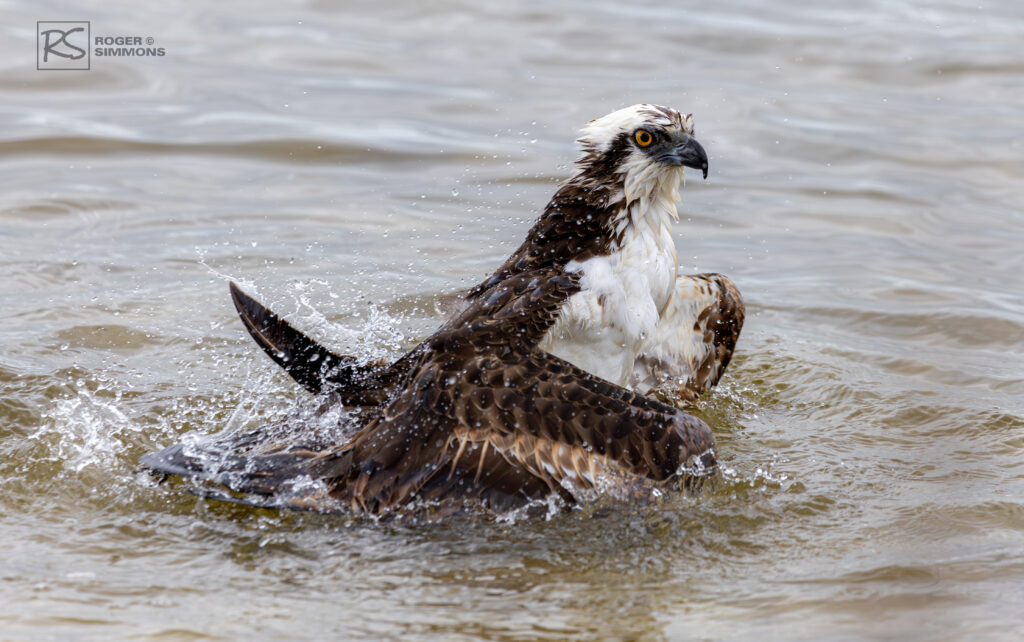
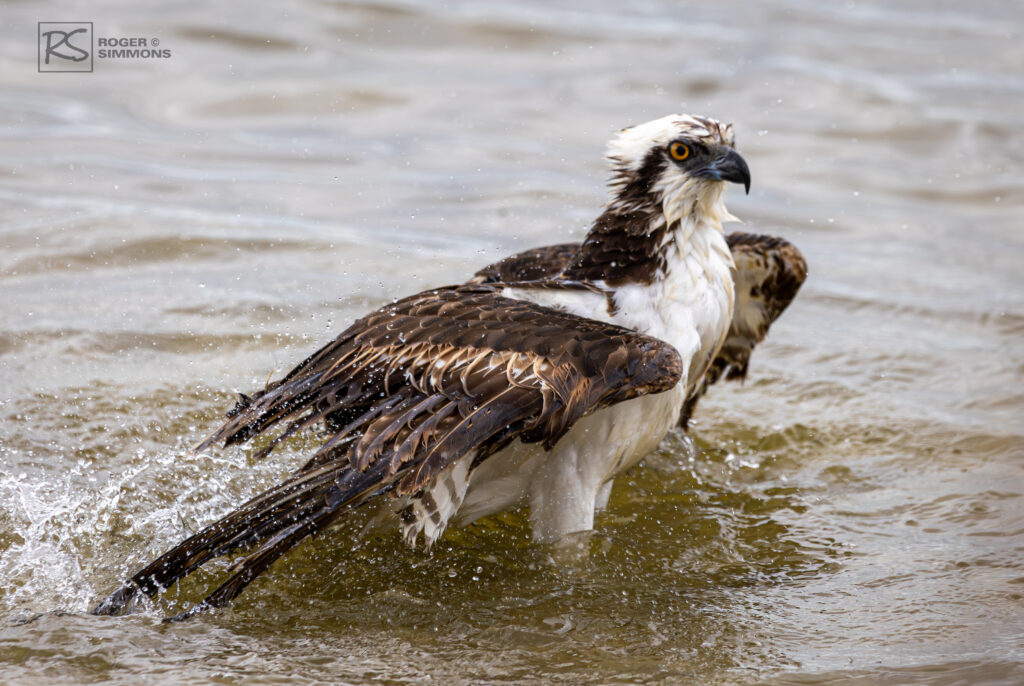
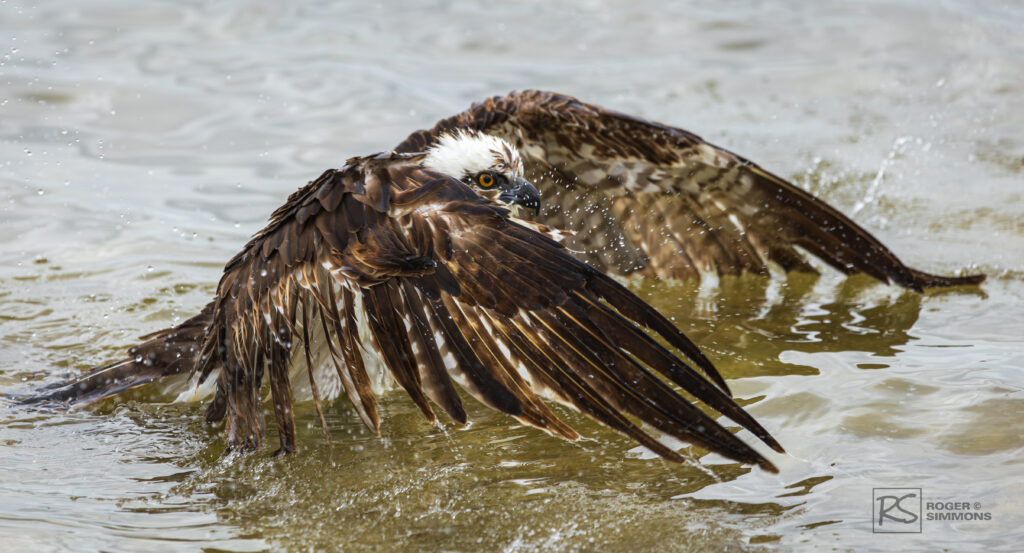
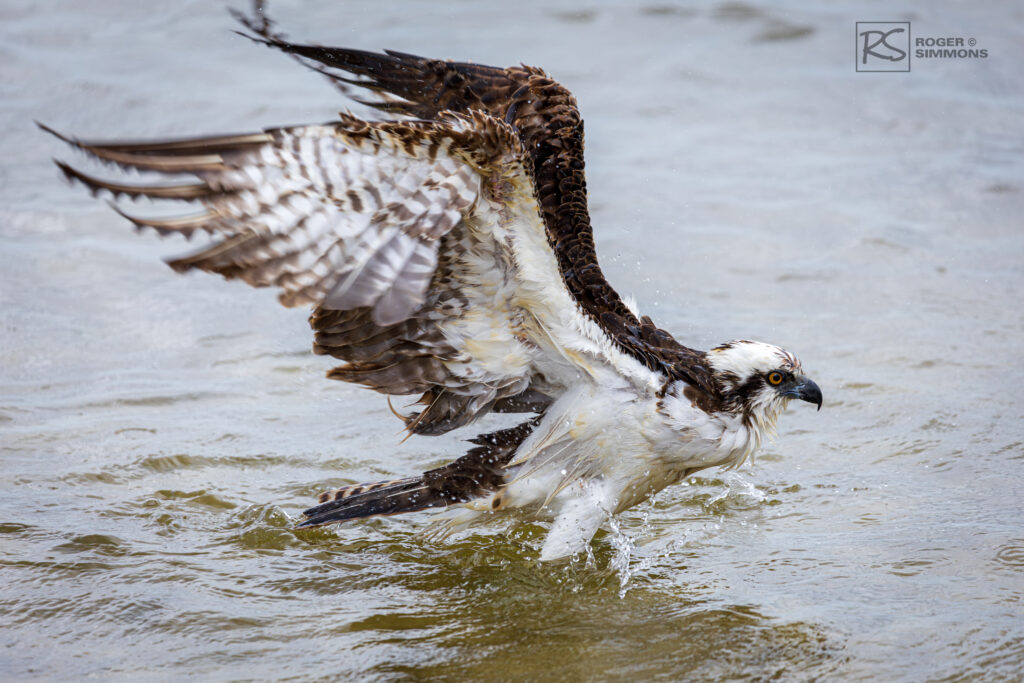
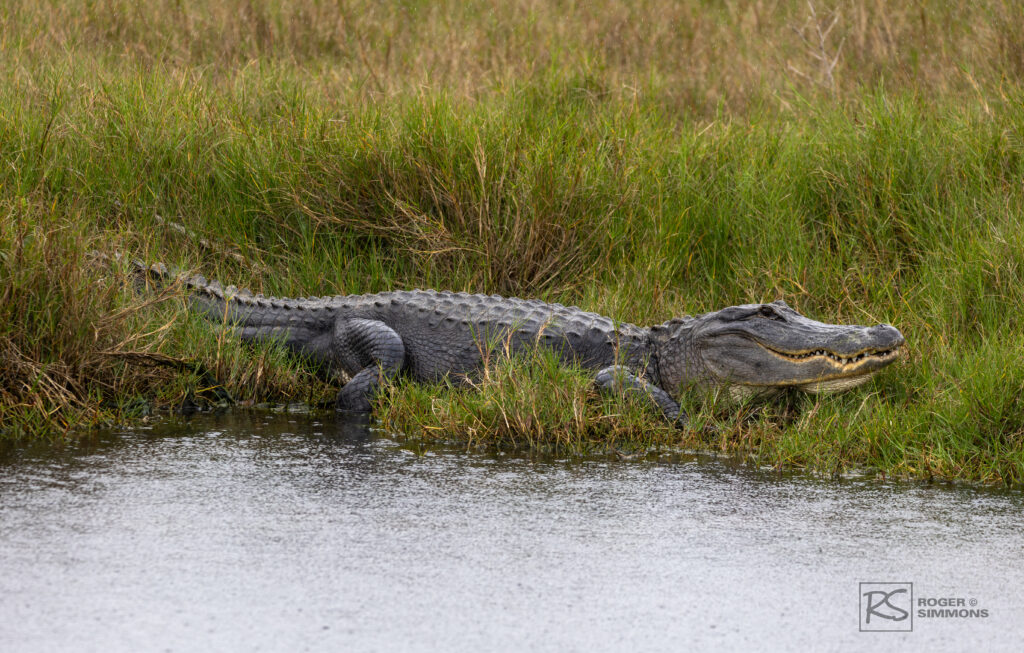
It seemed all the birds I photographed had some connection to the water or the rain – from a Reddish Egret getting spooked by something (a gator?) splashing in front of it, to an Osprey taking a bath in the Indian River, to birds (and a photogenic gator) weathering the changing conditions.
It was wet, but it was interesting.
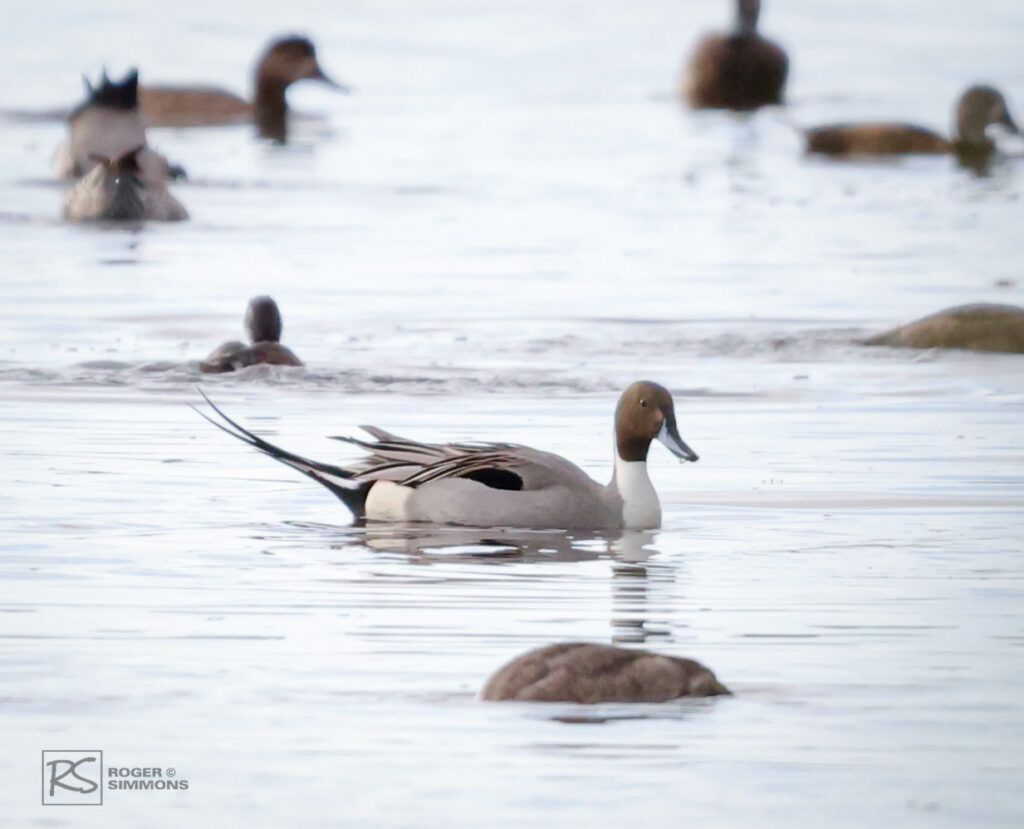
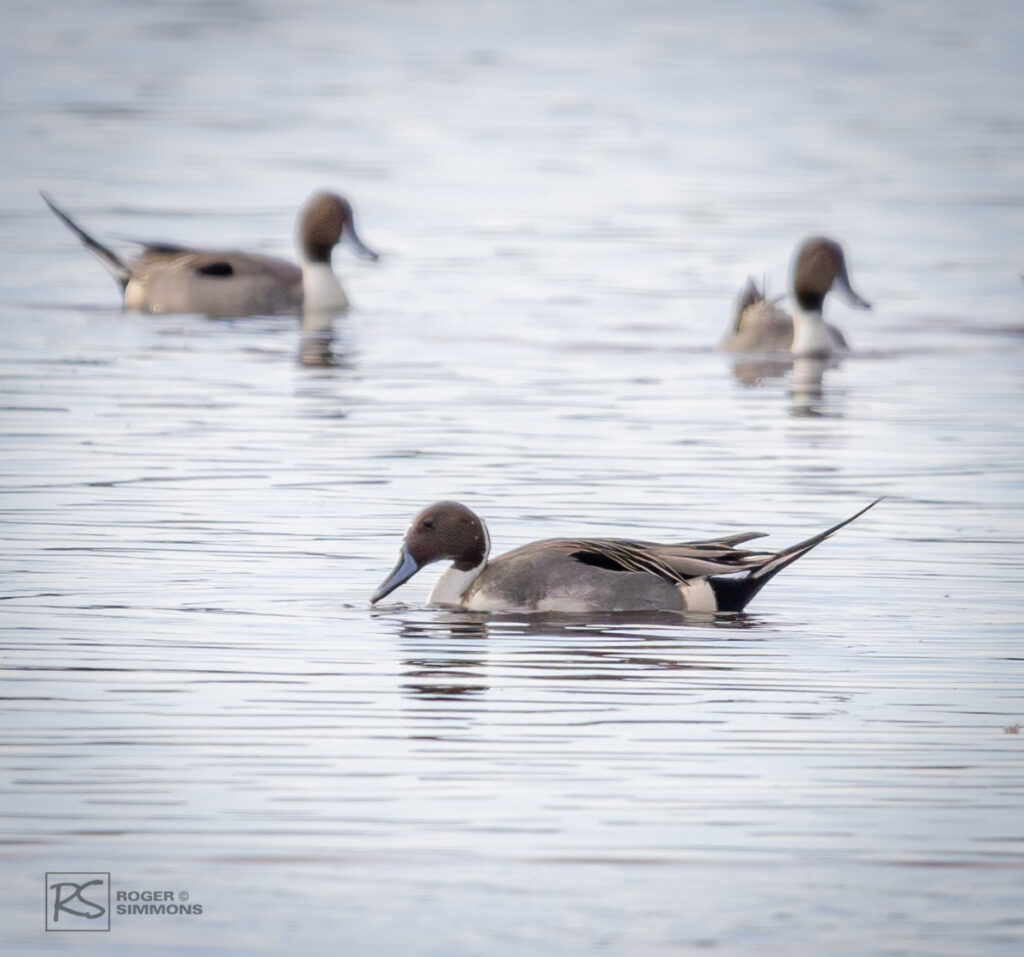
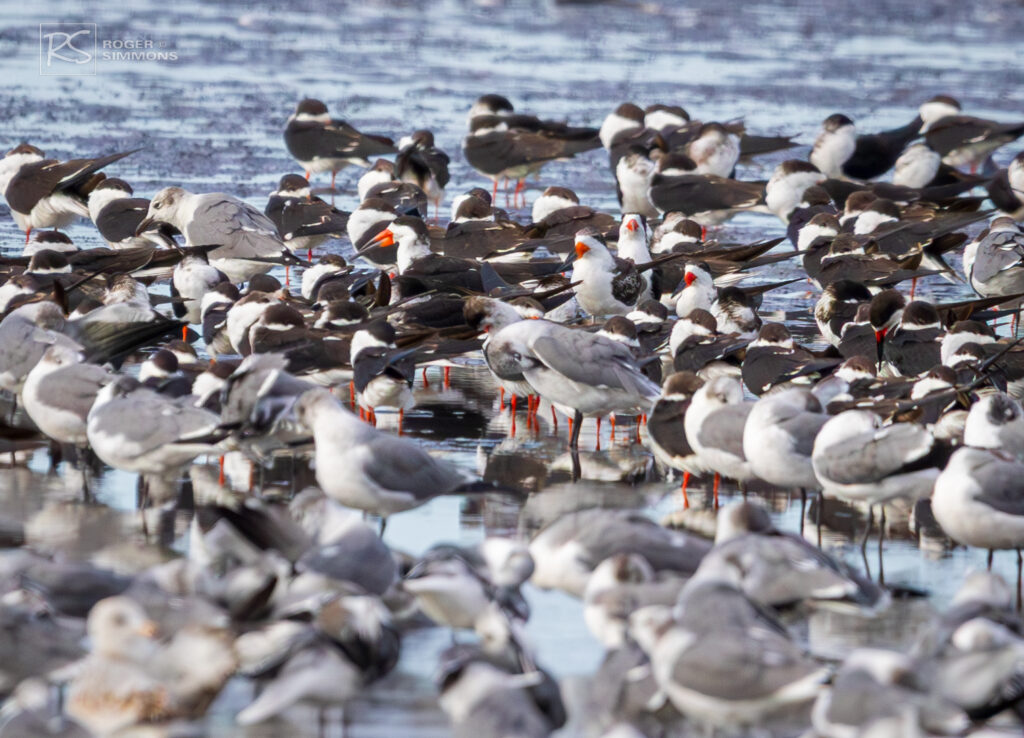
And I came across two new-to-me birds: Northern Pintail ducks and Black Skimmers.
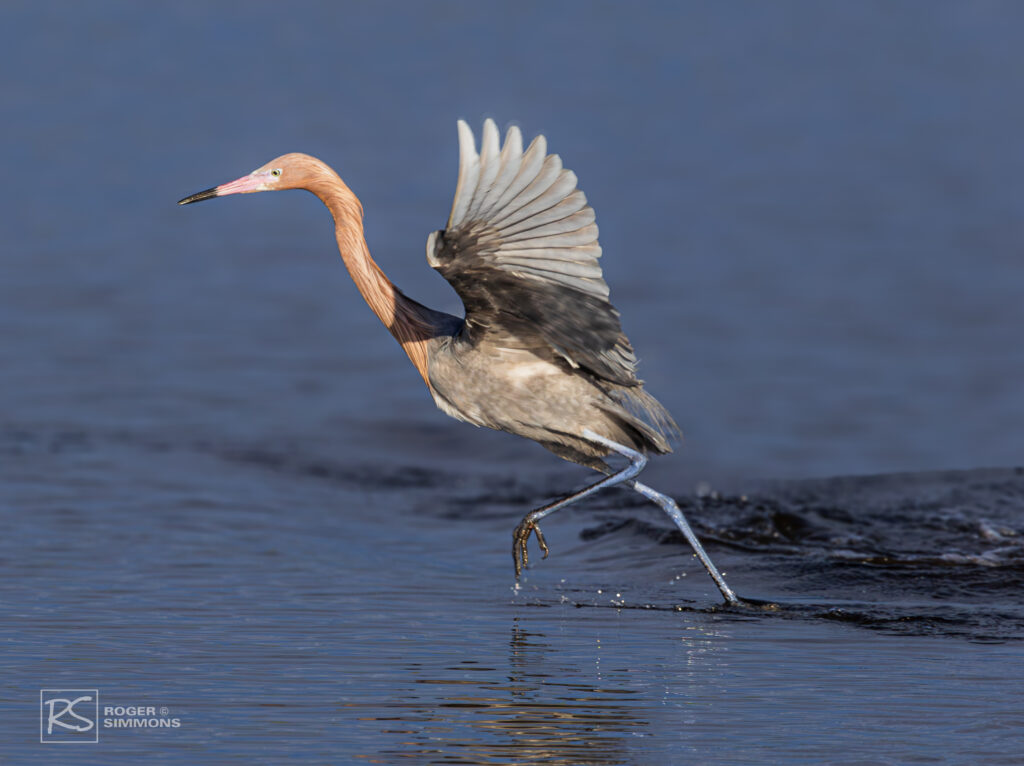
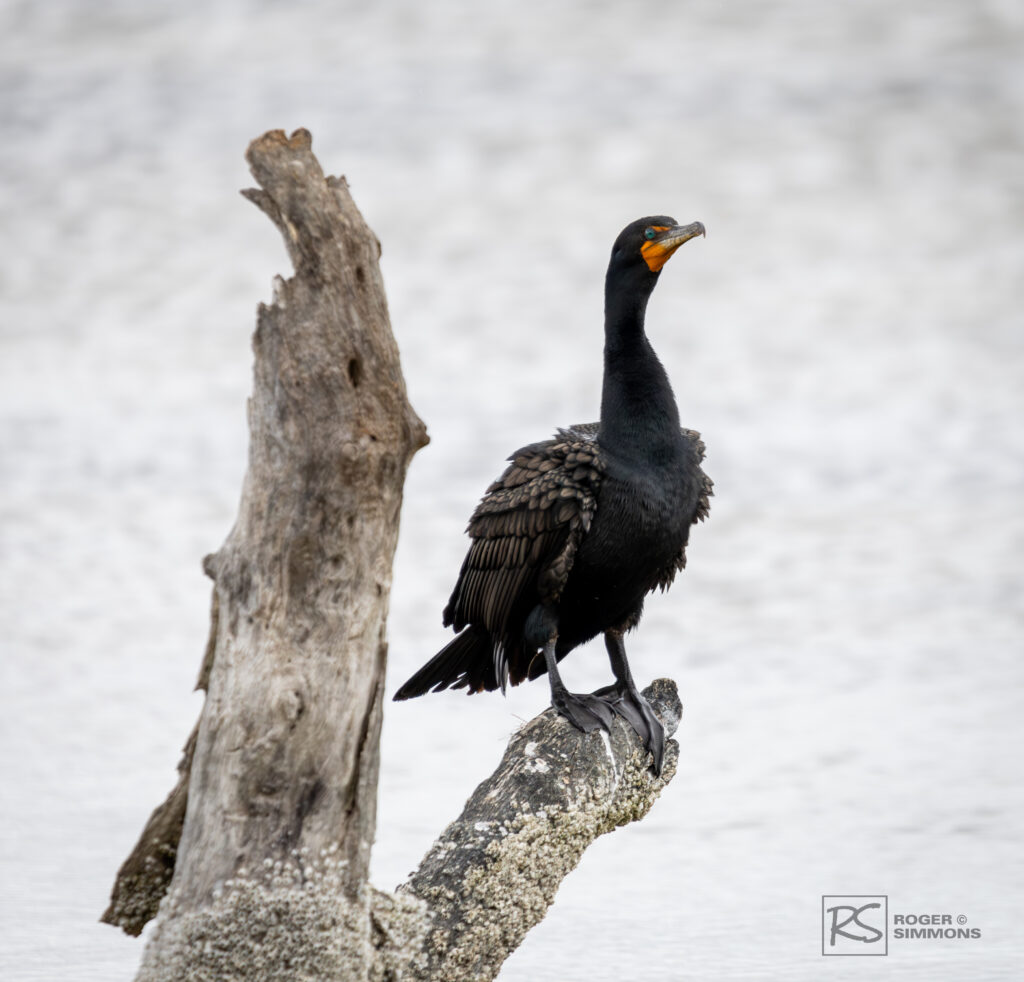
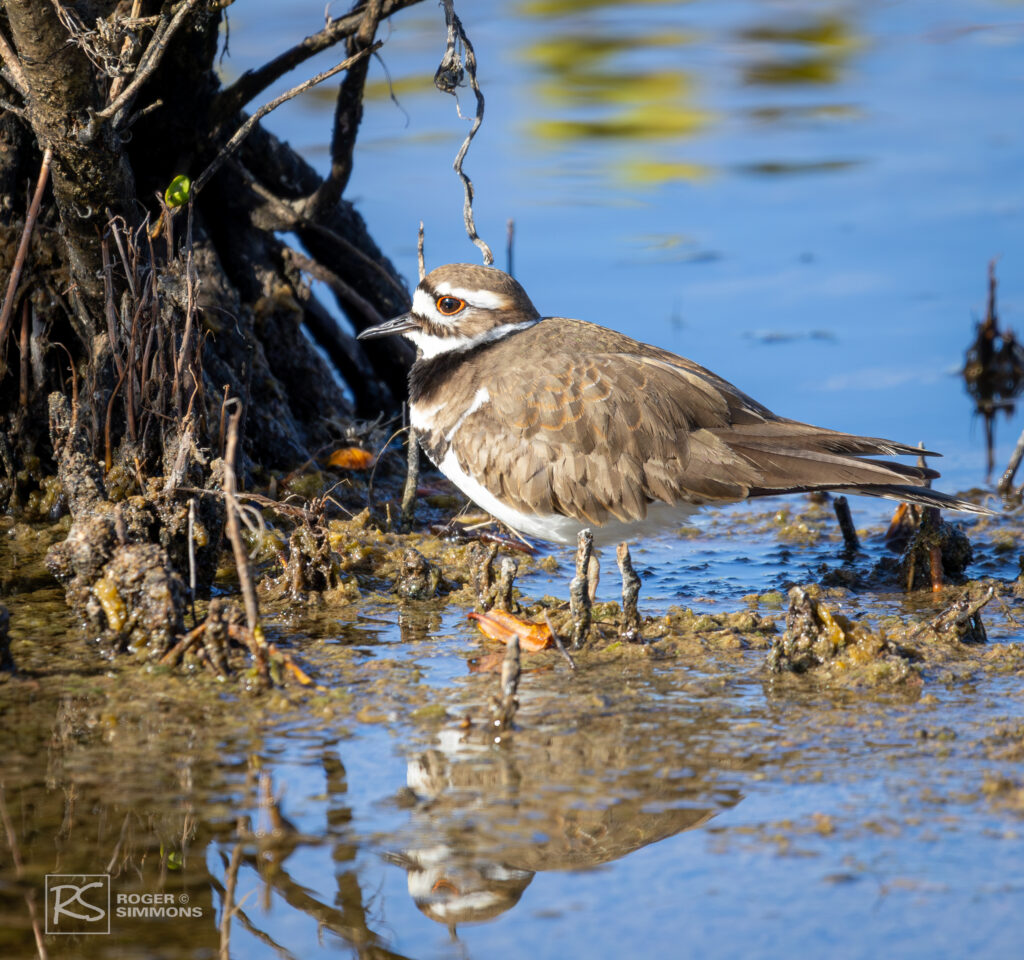
Reddish Egret, Merritt Island National Wildlife Refuge, January 2024.Reddish Egret, Merritt Island National Wildlife Refuge, January 2024. (Is that a gator splashing in front of it?)Reddish Egret, Merritt Island National Wildlife Refuge, January 2024.Reddish Egret, Merritt Island National Wildlife Refuge, January 2024.Osprey, Merritt Island National Wildlife Refuge, January 2024.Osprey, Merritt Island National Wildlife Refuge, January 2024.Osprey, Merritt Island National Wildlife Refuge, January 2024.Osprey, Merritt Island National Wildlife Refuge, January 2024.Osprey, Merritt Island National Wildlife Refuge, January 2024.American Alligator in the rain, Merritt Island National Wildlife Refuge, January 2024.Northern Pintail, Merritt Island National Wildlife Refuge, January 2024.Northern Pintail, Merritt Island National Wildlife Refuge, January 2024.Black Skimmers, Merritt Island National Wildlife Refuge, January 2024.Cormorant, Merritt Island National Wildlife Refuge, January 2024.Killdeer, Merritt Island National Wildlife Refuge, January 2024.
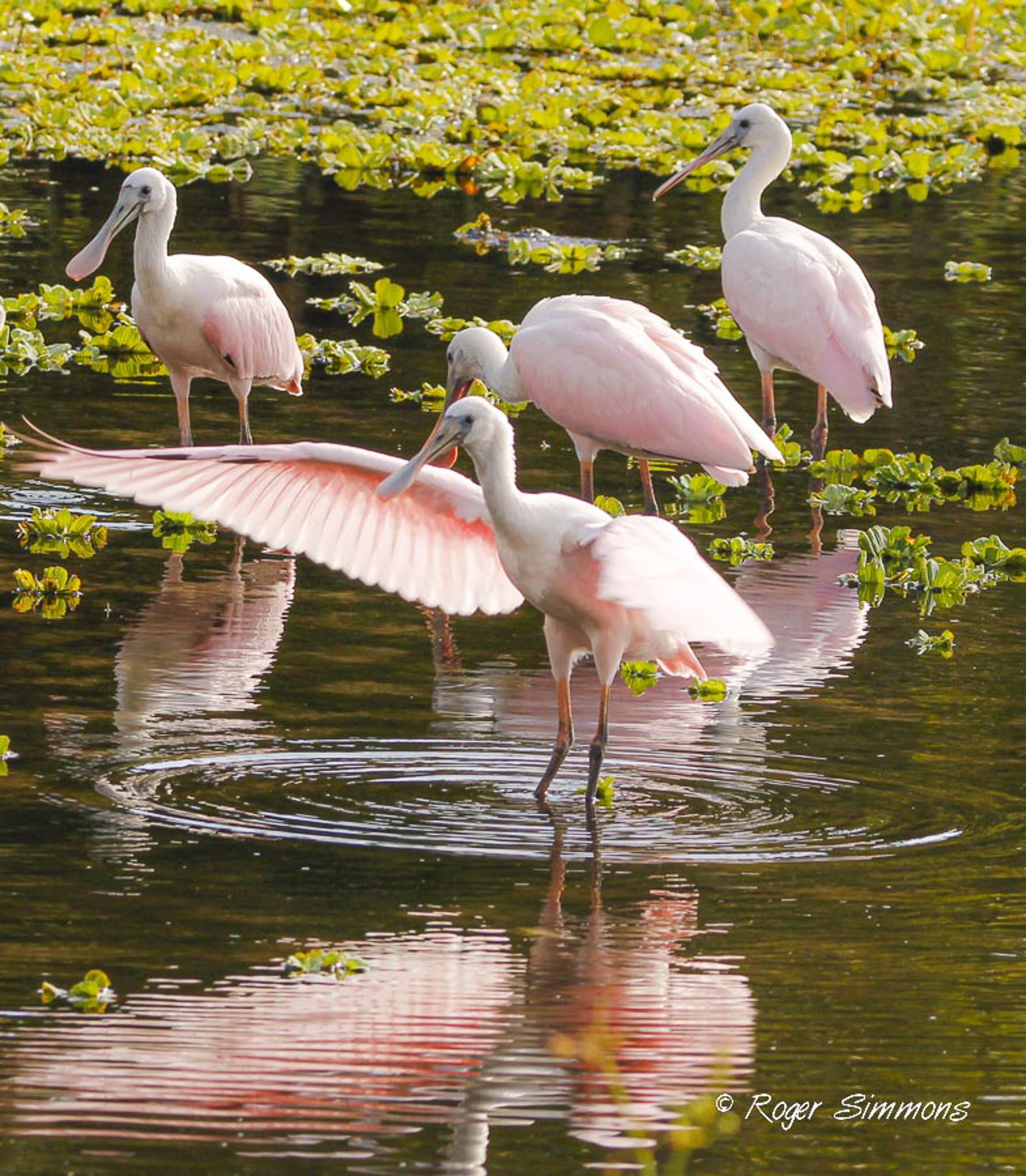
Back in January, the park was teaming with Roseate Spoonbills who were settling in for the winter. Now it’s May, and only a few Roseate youngsters are hanging around the park.
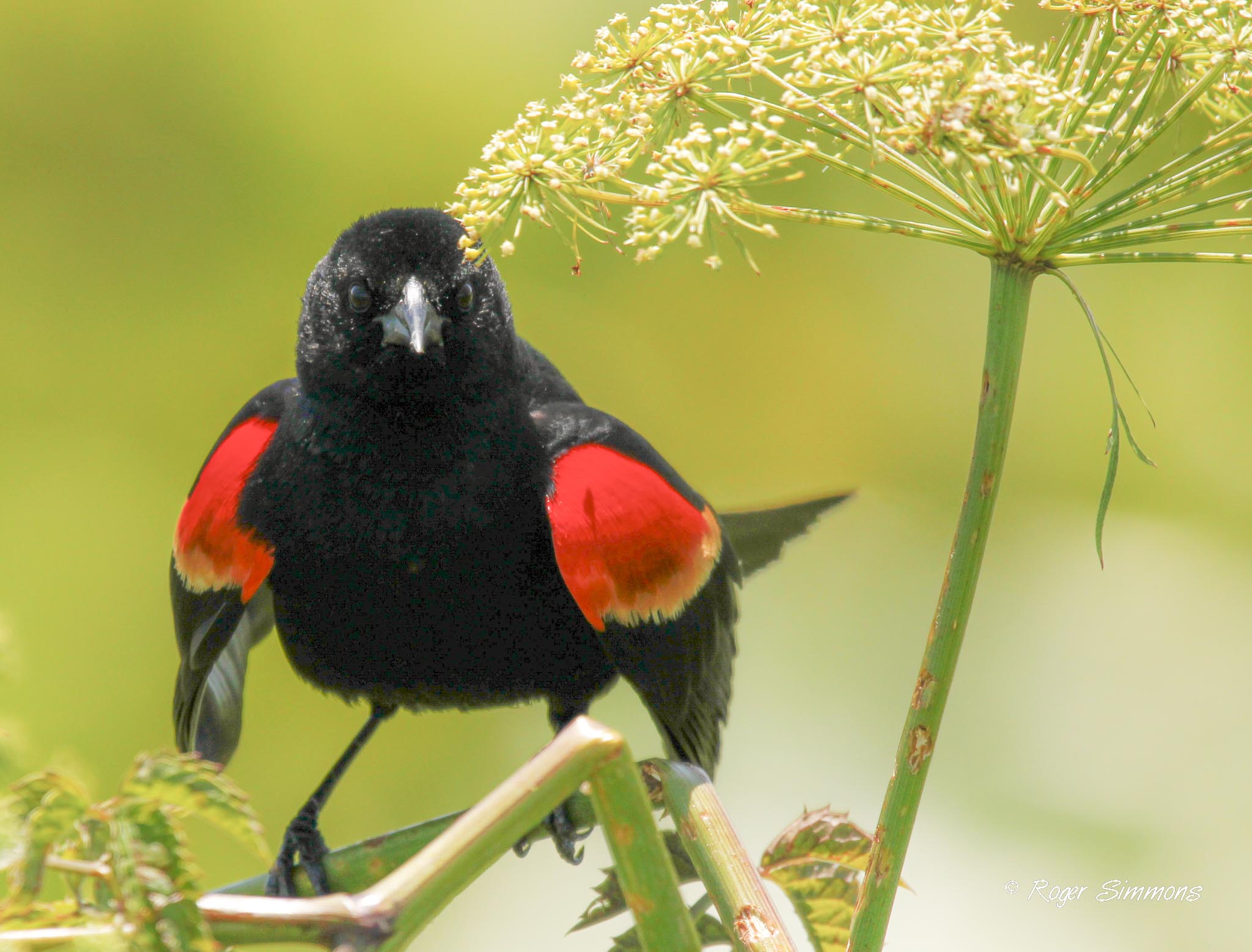
When I see a male Red-winged Blackbird, with his colorful red, yellow and black wings, it’s hard not to stop and take a few pictures. The females are equally intriguing.